












Article Summary:
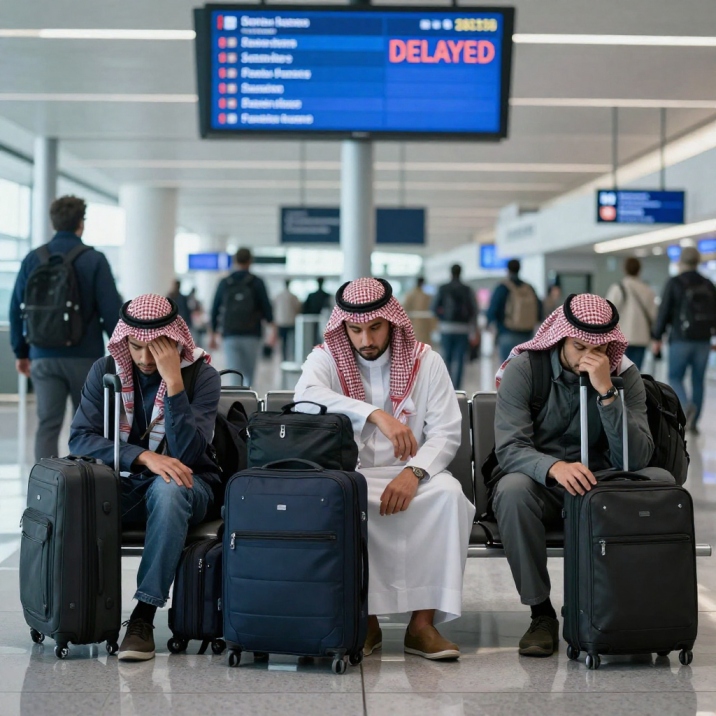
On December 22, 2025, the travel industry in the Middle East faced significant disruptions as multiple airlines, including Saudia, SpiceJet, Turkish Airlines, and Egypt Air, experienced 27 flight cancellations and 1,377 delays across hubs in Jeddah, Dubai, Istanbul, and Cairo. The article, titled “Hundreds of Travelers across Middle East Affected in Saudi Arabia, UAE, Türkiye and Egypt as Saudia, SpiceJet, Turkish Airlines, Egypt Air and others Face 27 Flight Cancellations and 1,377 Delays in Jeddah, Dubai, Istanbul, Cairo and more, New Update,” highlights the impact of maintenance issues and adverse weather conditions on travel schedules, leaving hundreds of passengers stranded. This event underscores ongoing challenges in the region’s travel sector, particularly in managing operational disruptions amidst fluctuating weather and maintenance challenges.
Key Points:
- Flight Disruptions: 27 flight cancellations and 1,377 delays occurred across major hubs in Saudi Arabia, UAE, Türkiye, and Egypt, affecting hundreds of travelers.
- Impact on Travelers: The disruptions stranded numerous passengers, highlighting vulnerabilities in the region’s travel infrastructure during adverse weather and maintenance challenges.
- Affected Airlines: Major airlines such as Saudia, SpiceJet, Turkish Airlines, and Egypt Air were among those impacted, indicating widespread operational issues.
- Geographic Scope: The disruptions were concentrated in key travel hubs including Jeddah, Dubai, Istanbul, and Cairo, underscoring the regional impact.
Actionable Takeaways:
-
Enhanced Operational Resilience: Travel companies should invest in robust operational resilience strategies, including real-time monitoring and flexible scheduling, to mitigate the impact of weather-related and maintenance-related disruptions. This is crucial for maintaining passenger trust and minimizing financial losses.
-
Investment in Technology: The article highlights the need for advanced travel tech solutions to improve flight tracking and passenger communication. Implementing real-time flight tracking systems and automated passenger notifications can significantly enhance operational efficiency and passenger satisfaction.
-
Focus on Weather Preparedness: Given the role of adverse weather in the disruptions, travel companies should enhance their weather preparedness protocols. This includes developing contingency plans for severe weather conditions and ensuring that maintenance schedules are flexible enough to adapt to unexpected weather changes.
Contextual Insights:
The disruptions in the Middle East travel sector reflect broader industry trends of increased vulnerability to external factors such as weather and maintenance issues. The article aligns with current industry insights that emphasize the importance of technological innovation and operational flexibility in maintaining service continuity. Thought leaders in the travel sector have been advocating for the adoption of advanced analytics and AI-driven solutions to predict and mitigate disruptions. This event serves as a reminder of the critical need for travel companies to leverage technology and strategic planning to enhance resilience and adaptability in the face of unpredictable challenges. The focus on operational resilience and technological investment is particularly relevant for startups and established players alike, as they navigate the evolving landscape of global travel.
Read the Complete Article.



