












Comprehensive Summarization:
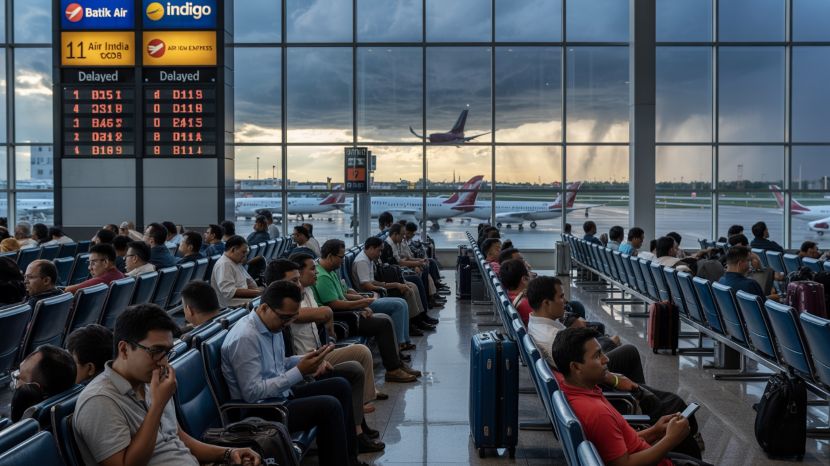
The article reports severe weather disruptions causing significant air travel issues across Indonesia, India, and the UAE. Batik Air, IndiGo, and Air India Express have canceled 21 flights and delayed 172 others, leaving many passengers stranded. The disruption highlights the vulnerability of major travel hubs to weather conditions, impacting both passenger experience and operational efficiency in the travel industry.
Key Points:
- Severe weather conditions have led to the cancellation of 21 flights and the delay of 172 flights by Batik Air, IndiGo, and Air India Express.
- The disruption affects major hubs in Indonesia, India, and the UAE, impacting popular travel routes.
- The incident underscores the challenges faced by airlines in managing operations during adverse weather events.
Actionable Takeaways:
-
Enhanced Weather Monitoring Systems: Airlines should invest in advanced weather monitoring and predictive analytics systems to better anticipate and mitigate the impacts of severe weather on flight operations. This can help in making informed decisions regarding flight scheduling and passenger communication, reducing the incidence of stranded passengers.
-
Flexible Passenger Policies: Implementing more flexible policies for passengers affected by weather-related cancellations or delays can improve customer satisfaction. Offering options such as rebooking without fees, providing travel vouchers, or upgrading to higher classes can mitigate the negative impact on passenger experience.
-
Collaborative Risk Management: Airlines operating in regions prone to severe weather should consider collaborative risk management strategies. Sharing real-time weather data and operational insights among airlines, airports, and ground service providers can enhance preparedness and response capabilities, ensuring smoother operations during adverse weather events.
Contextual Insights:
The article reflects the ongoing challenges faced by the travel industry in managing operations during severe weather disruptions. Recent trends indicate an increased frequency and intensity of weather-related disruptions, driven by climate change. This necessitates a shift towards more resilient and adaptive travel technologies and operational strategies. Thought leaders in the travel sector emphasize the importance of leveraging technology for real-time data analytics and predictive modeling to enhance operational resilience. Additionally, there is a growing emphasis on improving passenger experience through flexible policies and transparent communication during disruptions. The incident serves as a reminder for the industry to prioritize investment in weather resilience and customer-centric solutions to maintain trust and satisfaction in the face of unpredictable weather challenges.
Read the Complete Article.



