












Article Summary:
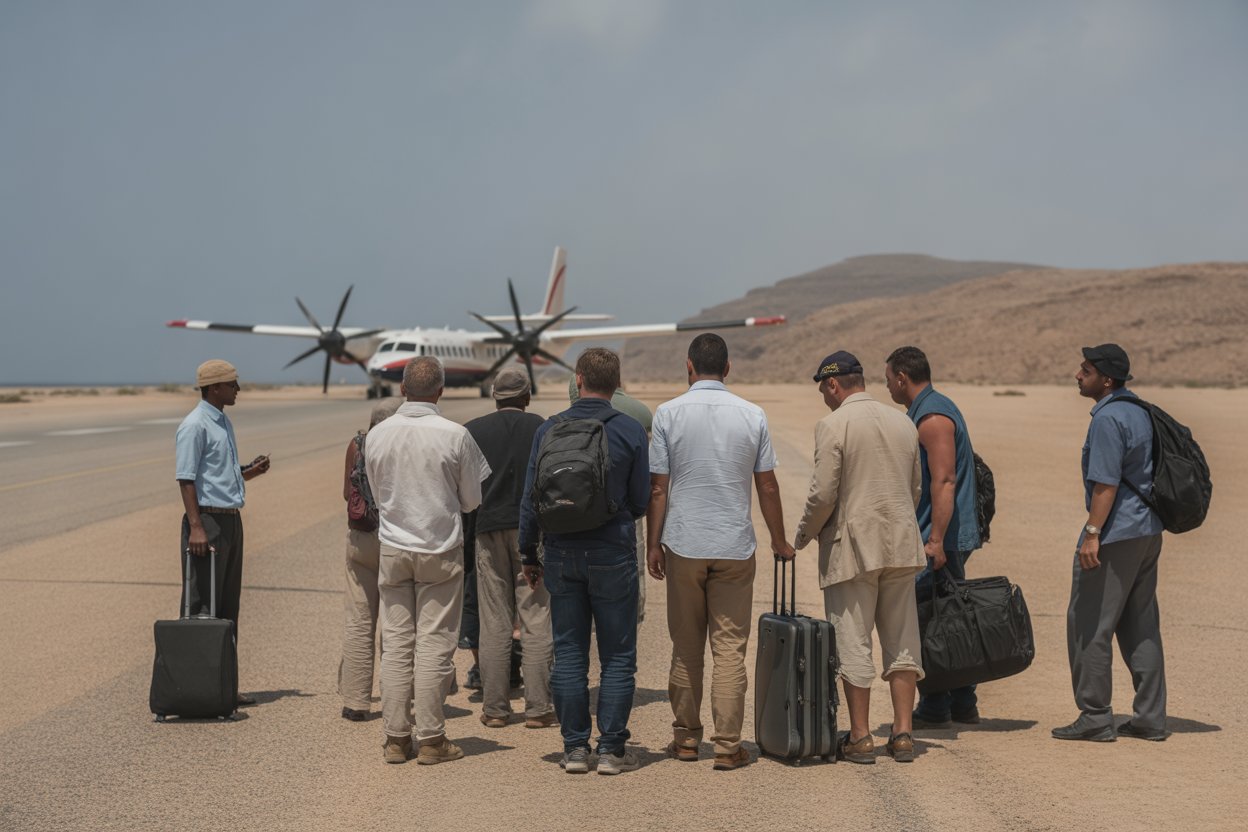
The article reports on an evacuation operation initiated by Yemeni authorities to remove foreign tourists stranded on Socotra Island. This operation was prompted by the withdrawal of United Arab Emirates (UAE) troops and subsequent disruptions to air services. The evacuation prioritizes the safety and repatriation of stranded travelers amid a backdrop of political and military shifts in the region.
Key Points:
- Yemeni authorities have launched an evacuation operation for stranded tourists on Socotra Island.
- The evacuation is driven by the withdrawal of UAE troops and the resulting disruption to air services.
- The operation focuses on the safety and repatriation of affected travelers.
- Socotra Island is the primary focus of the evacuation efforts.
Actionable Takeaways:
-
Enhanced Travel Safety Protocols: Travel companies should review and enhance their safety protocols, particularly for destinations with political instability or ongoing military shifts. This includes developing contingency plans for evacuations and ensuring clear communication with travelers.
- Relevance and Impact: Given the recent disruption in Socotra, implementing robust safety measures can mitigate risks and protect travelers’ well-being, thereby enhancing the overall travel experience and brand reputation.
-
Strategic Partnerships with Local Authorities: Travel agencies and tour operators should consider forming strategic partnerships with local authorities and emergency response teams in high-risk regions. This collaboration can facilitate smoother evacuation processes and improve the safety of stranded travelers.
- Relevance and Impact: Such partnerships can streamline evacuation operations, ensuring timely and effective repatriation of tourists. This proactive approach can also enhance trust and reliability in the travel industry, particularly in volatile regions.
Contextual Insights:
The evacuation of tourists from Socotra Island underscores the evolving challenges faced by the travel industry in regions with political and military instability. Recent trends indicate a growing emphasis on safety and contingency planning within the sector. Thought leaders emphasize the importance of real-time monitoring of geopolitical developments and the integration of advanced technologies for rapid response and communication. This incident highlights the need for travel companies to stay informed about geopolitical shifts and to be prepared for rapid changes in travel conditions. Additionally, the article reflects broader industry trends towards greater collaboration between governments, travel agencies, and local authorities to ensure the safety and well-being of travelers in high-risk environments.
Read the Complete Article.



