











Comprehensive Summarization:
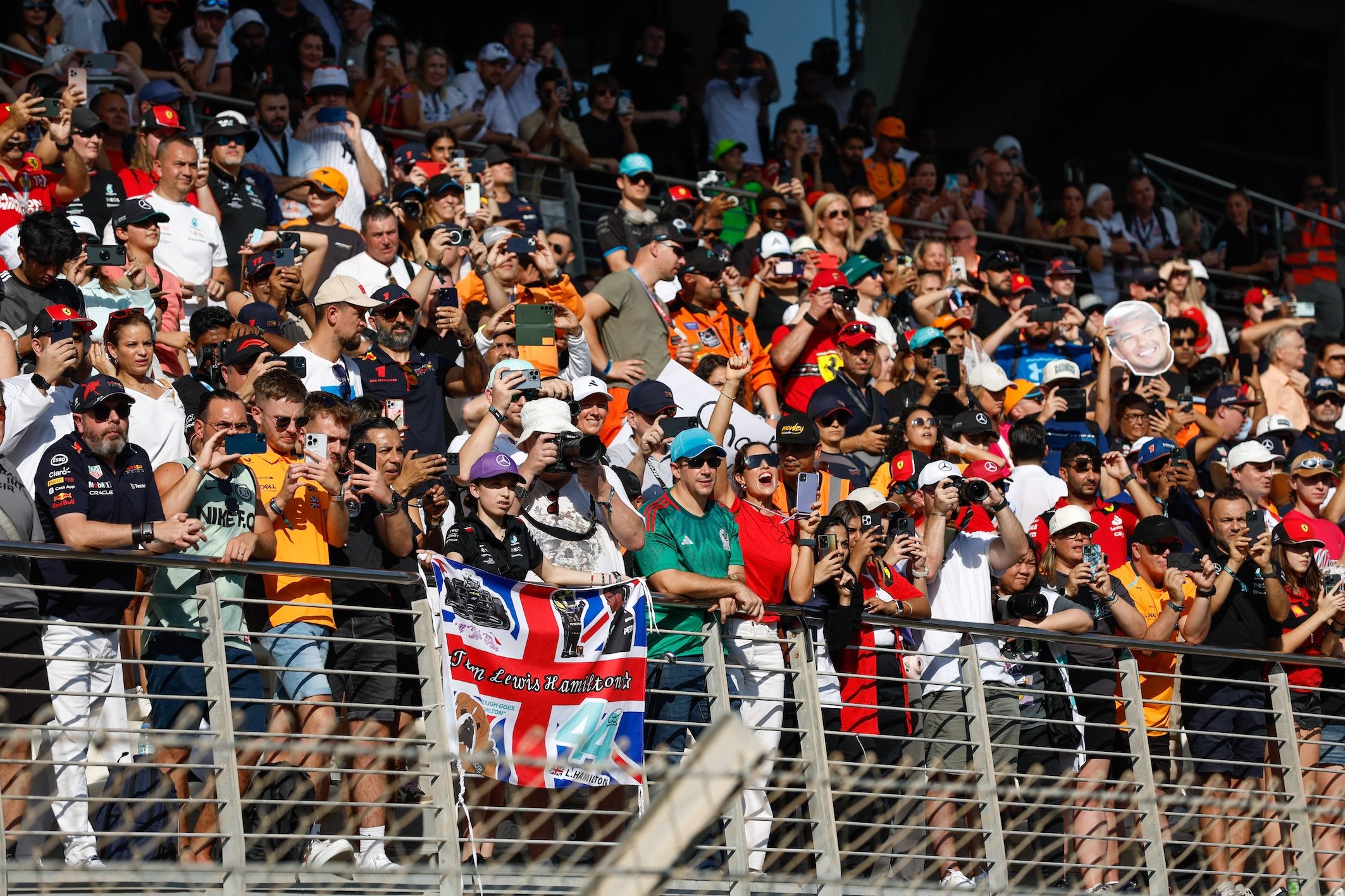
The article discusses the growing importance of sports in the economic growth of Gulf nations, particularly focusing on Abu Dhabi, Dubai, Qatar, and Saudi Arabia. These countries are leveraging their hosting of major sports events, such as UFC martial arts, Formula 1 motor racing, Indian cricket, and football World Cup, to attract global tourists and boost their economies. Critics often label this strategy as “sportswashing,” but the Gulf nations argue that it is a powerful tool for gaining international soft power and accelerating economic growth. The article highlights how these countries are not only hosting international sports events but also integrating them into their tourism and economic strategies, making them key players in the global sports and travel industry.
Key Points:
- Sports are central to the economic growth of Gulf nations like Abu Dhabi, Dubai, Qatar, and Saudi Arabia.
- These countries are targeting sport-linked holidays to attract international tourists.
- Fans of these sports events are spending more and staying longer, indicating a strong engagement and interest.
- Abu Dhabi hosts UFC martial arts and F1 motor racing, while Dubai is becoming a hub for Indian cricket.
- Qatar and Saudi Arabia are hosting football World Cup events, further boosting their sports tourism appeal.
Actionable Takeaways:
-
Leverage Sports Events for Tourism Growth: Gulf nations should continue to invest in hosting major sports events as a strategic tool for attracting international tourists. This can significantly boost their tourism industry and contribute to economic growth. (Relevance: Directly supported by the article’s focus on sports as a catalyst for economic development in the region.)
-
Integrate Sports Tourism into Long-term Economic Strategies: Countries should view sports tourism as an integral part of their long-term economic development plans. By hosting events like the World Cup, they can create a sustainable influx of tourists, leading to job creation, infrastructure development, and increased revenue. (Relevance: The article emphasizes the role of sports in accelerating economic growth, suggesting that integrating these events into broader economic strategies is crucial.)
-
Focus on Fan Engagement and Spending: There is a clear trend of fans spending more and staying longer at destinations hosting major sports events. Travel companies and destinations should focus on enhancing fan experiences to capitalize on this trend, potentially through improved hospitality services, exclusive fan zones, and post-event tourism packages. (Relevance: The article highlights that fans are spending more and staying longer, indicating a strong economic opportunity for destinations to enhance fan experiences.)
Contextual Insights:
The article reflects the current trend of using sports as a soft power tool, where countries leverage their hosting of international sports events to enhance their global image and attract tourists. This aligns with the broader industry trend of integrating sports and tourism, where destinations are increasingly seen as not just places to visit but as hubs for sports events. The focus on fan engagement and spending underscores the importance of creating memorable experiences for tourists, which can lead to repeat visits and positive word-of-mouth promotion. As the travel industry continues to evolve, the strategic use of sports events for economic growth remains a relevant and impactful approach, particularly for nations looking to diversify their tourism offerings and boost their economies.
Handling Different Article Types:
The article is a news brief that provides factual information about the role of sports in the economic growth of Gulf nations. It does not present an opinion piece or a feature article but rather reports on current trends and developments. The structured output format ensures that the key points and actionable takeaways are clearly presented, making it easy for a professional audience to digest and act upon the information provided.
Read the Complete Article.


