












Article Summary:
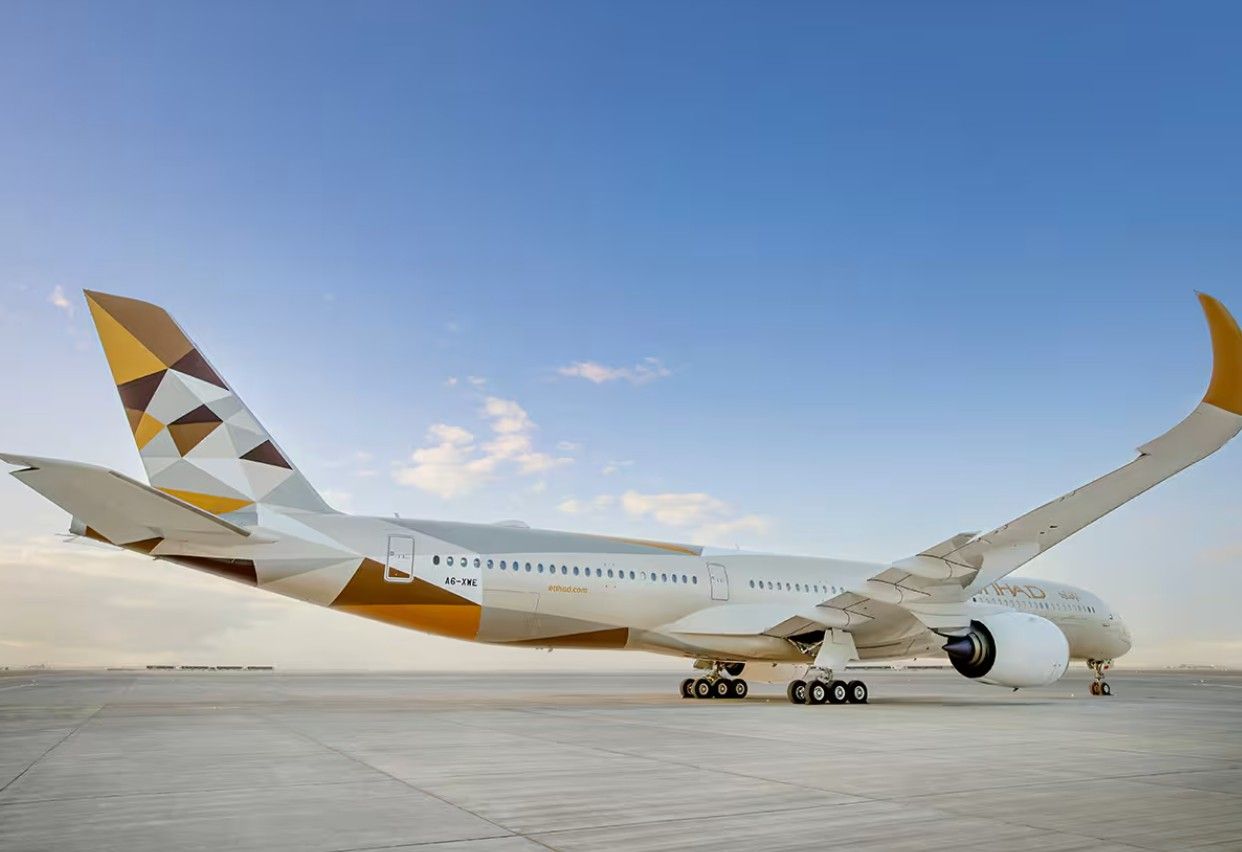
Etihad Airways is accelerating its fleet upgrade by converting all Sydney-Abu Dhabi flights to the Airbus A350-1000 ahead of schedule. This transition aims to introduce double-daily service on the route, significantly enhancing premium connectivity in Sydney and Melbourne. The move eliminates the Boeing 777 from the Sydney-Abu Dhabi service, signaling a strategic shift towards more modern and efficient aircraft.
Key Points:
- Etihad Airways is upgrading its fleet by converting all Sydney-Abu Dhabi flights to the Airbus A350-1000.
- The transition is set to introduce double-daily service on the Sydney-Abu Dhabi route.
- The upgrade eliminates the Boeing 777 from the Sydney-Abu Dhabi service.
- The article is published on December 14, 2025, highlighting recent developments in the airline industry.
Actionable Takeaways:
-
Enhanced Connectivity and Service Frequency: The introduction of the Airbus A350-1000 on the Sydney-Abu Dhabi route is expected to significantly boost premium connectivity in Sydney and Melbourne. This development is particularly relevant for businesses and travelers seeking efficient and comfortable travel options between these major Australian cities and Abu Dhabi. The shift to double-daily service indicates a strategic effort to meet growing demand and enhance the travel experience.
-
Strategic Fleet Modernization: Etihad Airways’ decision to replace the Boeing 777 with the Airbus A350-1000 reflects a broader trend in the aviation industry towards modernizing fleets with more fuel-efficient and technologically advanced aircraft. This move not only improves operational efficiency but also aligns with global efforts to reduce carbon emissions in the aviation sector. For stakeholders in the travel industry, this could signal a shift towards more sustainable travel options and potentially impact pricing strategies and market positioning.
-
Market Positioning and Competitive Advantage: By enhancing connectivity and service frequency on the Sydney-Abu Dhabi route, Etihad Airways is likely aiming to strengthen its market position in the Australian aviation market. This strategic move could attract more business travelers and tourists, potentially leading to increased revenue and market share. For competitors and industry analysts, this development underscores the importance of continuous innovation and adaptation in the face of evolving consumer demands and technological advancements.
Contextual Insights:
The article reflects the ongoing trend in the travel industry towards technological advancements and fleet modernization. As airlines seek to improve operational efficiency, reduce costs, and enhance passenger experience, the adoption of newer aircraft models like the Airbus A350-1000 becomes a strategic imperative. This shift is particularly relevant in light of increasing competition among airlines and the growing emphasis on sustainability within the industry.
Moreover, the focus on premium connectivity aligns with broader industry trends where travelers are increasingly seeking high-quality, comfortable, and efficient travel experiences. For startups and fintech companies operating within the travel sector, this presents opportunities to develop innovative solutions that cater to the evolving needs of modern travelers. For instance, fintech innovations could focus on enhancing booking processes, offering seamless payment options, or providing personalized travel packages that leverage the enhanced connectivity provided by such fleet upgrades.
In conclusion, Etihad Airways’ strategic upgrade of its Sydney-Abu Dhabi service to the Airbus A350-1000 represents a significant development in the airline industry, driven by a commitment to enhancing connectivity, improving operational efficiency, and meeting the demands of modern travelers. This move not only underscores the airline’s strategic vision but also sets a precedent for other airlines to consider similar fleet modernization initiatives.
Read the Complete Article.



