












Sail Through Time: Discover the Timeless Wonders of Upper Egypt Aboard Kenzy Dahabeya
Experience the magic of the Nile aboard Kenzy Dahabeya, a luxury boutique sailing cruise that offers an unforgettable journey between...
Read moreDetails
Thousands Of Travellers Stranded Across China, India, Bahrain, Qatar, UAE, Saudi Arabia and More In ...
Comprehensive Summarization:
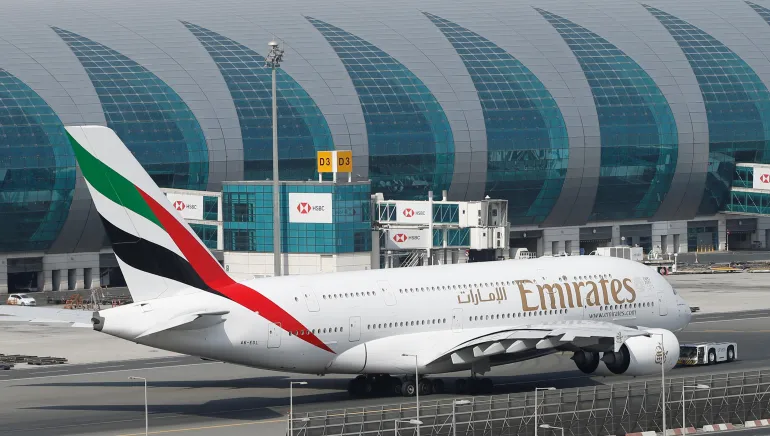
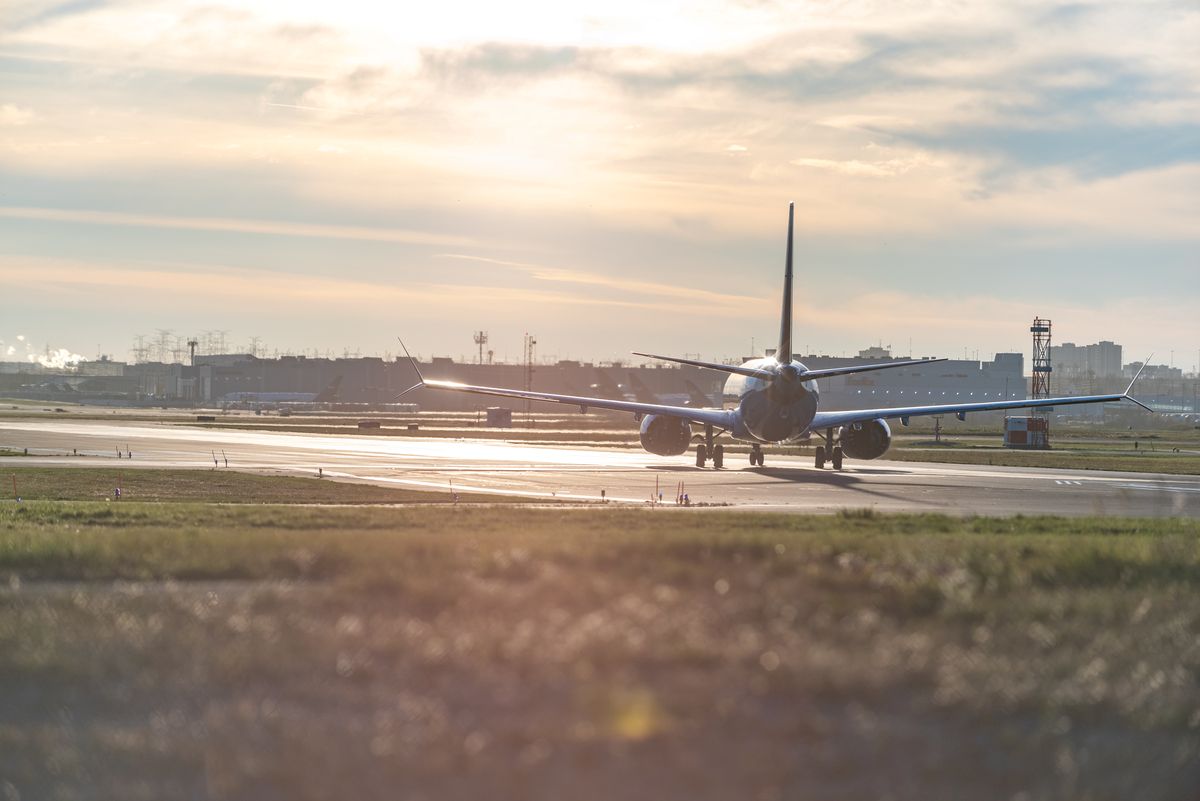
The article reports on a significant disruption in air travel across Asia, affecting thousands of travelers. Major airlines such as Air India, ANA Wings, Qatar Airways, and Emirates are experiencing delays and cancellations, with 1,926 flights delayed and 496 flights canceled. The disruptions are impacting airports in China, India, Bahrain, Qatar, the UAE, and Saudi Arabia. The article highlights the extensive impact on travel plans and the challenges faced by passengers in these regions.
Key Points:
Actionable Takeaways:
Enhanced Travel Insurance Coverage: Given the widespread flight cancellations and delays, there is an increased need for comprehensive travel insurance that covers cancellations, delays, and emergency evacuations. This can provide peace of mind for travelers and protect against financial losses due to disrupted travel plans.
Increased Demand for Flexible Booking Options: The article underscores the challenges travelers face with canceled flights. Travel companies should consider offering more flexible booking options, such as free cancellation policies and the ability to reschedule flights without hefty penalties. This can help mitigate the impact on travelers and improve customer satisfaction.
Investment in Advanced Travel Technology: The disruptions highlight the importance of robust travel technology solutions. Airlines and travel agencies should invest in advanced systems for real-time flight tracking, automated rebooking, and improved communication with passengers. This can help streamline operations and reduce the impact of future disruptions.
Contextual Insights:
The article reflects the ongoing challenges in the global travel industry, particularly in regions heavily reliant on air travel. The disruptions in Asia underscore the vulnerability of the travel sector to unforeseen events, such as weather conditions, geopolitical tensions, or operational issues at major airports. This situation highlights the need for the industry to adopt more resilient strategies, including better risk management, diversified transportation options, and enhanced customer support systems. Furthermore, the article aligns with current industry trends towards digital transformation and the increasing importance of technology in ensuring seamless travel experiences. As travel startups and fintech companies continue to innovate, there is a growing emphasis on leveraging technology to enhance operational efficiency and customer satisfaction, even in the face of disruptions.
Read the Complete Article.
Experience the magic of the Nile aboard Kenzy Dahabeya, a luxury boutique sailing cruise that offers an unforgettable journey between...
Read moreDetails



