












Comprehensive Summarization:
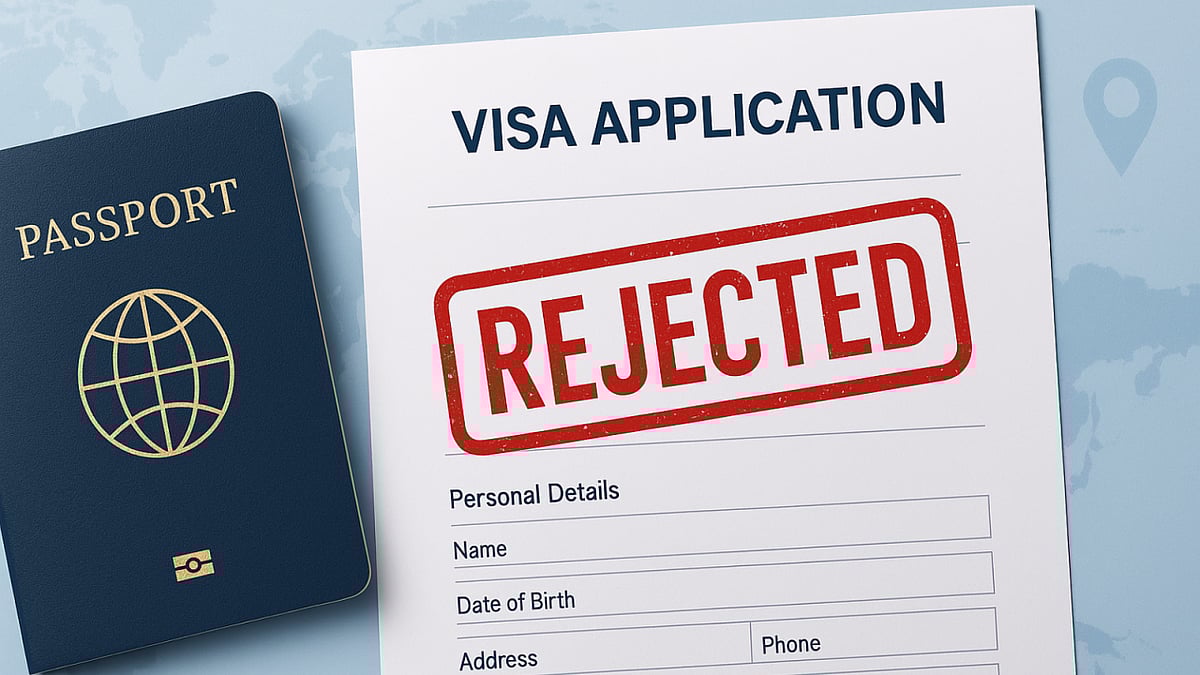
The article reports that UAE-based applicants have lost approximately Dh21.7 million (€5.2 million) due to non-refundable Schengen visa fees, as per data released by the European Commission in mid-2025. This figure is expected to rise in 2025, potentially exceeding Dh31 million, following a 12% increase in the basic Schengen visa fee from €80 to €90. The article highlights the financial impact on UAE residents and anticipates continued losses if rejection rates remain stable. It underscores the evolving landscape of travel fees and their implications for both applicants and the travel industry.
Key Points:
- UAE applicants have lost around Dh21.7 million (€5.2 million) in non-refundable Schengen visa fees.
- The European Commission increased the basic Schengen visa fee by 12%, raising it from €80 to €90.
- If rejection rates remain unchanged, the total loss for UAE residents could exceed Dh31 million in 2025.
- The article emphasizes the financial implications for UAE residents and the broader travel industry.
Actionable Takeaways:
-
Fee Structure Impact: The increase in Schengen visa fees may deter some applicants, potentially reducing the volume of applications from the UAE. This could impact travel agencies and visa service providers operating in the region, necessitating a review of fee structures and customer communication strategies.
-
Financial Planning for Travelers: UAE residents planning to travel to Schengen countries should consider the increased visa costs in their travel budgeting. This may influence their travel plans, potentially leading to a shift in destination choices or timing of travel.
-
Industry Adaptation: Travel service providers and fintech companies could explore innovative solutions, such as fee waivers or alternative payment models, to mitigate the impact on travelers. This could also drive advancements in travel technology, enhancing the booking and payment experience for international travelers.
Contextual Insights:
The rise in Schengen visa fees reflects broader trends in travel industry regulation and economic pressures. The European Commission’s decision to increase visa fees aligns with a growing emphasis on revenue generation from travel services. This context is crucial for understanding the financial pressures faced by travelers and the potential for increased scrutiny on visa processes. Forward-looking insights suggest that the travel industry may see a shift towards more flexible fee structures and enhanced customer support services to retain travelers. Additionally, the article highlights the importance of fintech innovations in managing travel expenses, indicating a growing trend towards digital solutions in the travel sector.
Read the Complete Article.



