













Comprehensive Summarization:
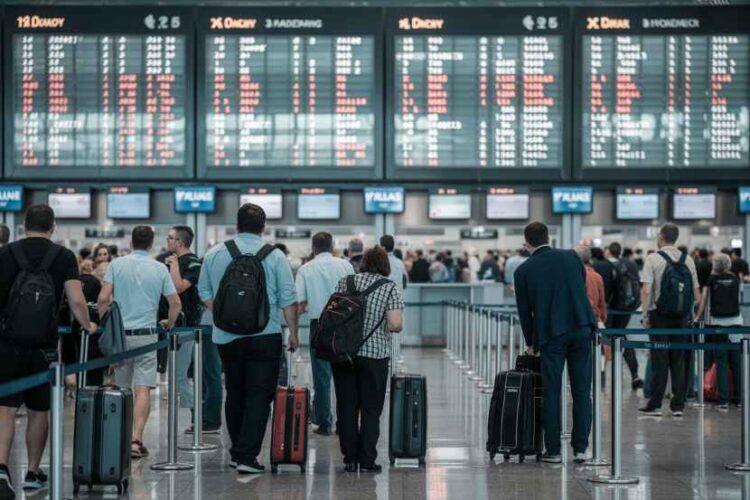
The article reports significant disruptions affecting travelers across the UAE, Saudi Arabia, Qatar, and Turkey due to flight cancellations and delays caused by major airlines such as Saudia, Akasa Air, and Qatar Airways. A total of 12 flights were canceled, and 177 flights experienced delays, disrupting major airports in Dubai, Jeddah, Doha, and Istanbul. The disruptions highlight ongoing challenges in the travel sector, particularly in managing operational efficiency and passenger experience during adverse conditions.
Key Points:
- Flight Disruptions: Saudia, Akasa Air, and Qatar Airways are experiencing 12 flight cancellations and 177 delays, impacting major airports in the UAE, Saudi Arabia, Qatar, and Turkey.
- Geographic Impact: The disruptions are widespread, affecting key travel hubs like Dubai, Jeddah, Doha, and Istanbul, which are critical for regional and international travel.
- Operational Challenges: The article underscores the operational challenges faced by airlines in maintaining service reliability, especially during peak travel periods or adverse weather conditions.
- Traveler Impact: Travelers across these regions are experiencing significant disruptions, impacting their travel plans and potentially leading to increased stress and inconvenience.
Actionable Takeaways:
-
Enhanced Operational Resilience: Airlines should invest in advanced operational tools and predictive analytics to better manage flight schedules and mitigate disruptions. This could involve real-time monitoring of weather patterns, air traffic, and other potential disruptions to proactively adjust flight operations.
-
Improved Passenger Communication: Airlines must enhance their communication strategies to keep passengers informed about delays and cancellations. Implementing a robust communication system that provides real-time updates via mobile apps, emails, and social media can help manage traveler expectations and reduce frustration.
-
Focus on Customer Experience: Given the disruptions, airlines should prioritize improving the passenger experience during such events. This could include offering compensation, such as refunds or upgrades, and providing additional support services like accommodation or transportation assistance to affected travelers.
Contextual Insights:
The disruptions in flight operations reflect broader challenges within the travel industry, particularly in maintaining service reliability amidst external pressures such as weather conditions, operational inefficiencies, and unforeseen events. The article aligns with current industry trends emphasizing the need for technological advancements in travel tech to enhance operational efficiency and passenger experience. Thought leaders in the travel sector have been advocating for the integration of AI and machine learning to predict and manage disruptions more effectively. This incident underscores the importance of leveraging such technologies to stay competitive and meet the evolving expectations of modern travelers. Additionally, the article highlights the critical role of effective communication in managing traveler expectations and maintaining trust in the airline brand, a trend increasingly emphasized by industry experts.
Read the Complete Article.



