







Sail Through Time: Discover the Timeless Wonders of Upper Egypt Aboard Kenzy Dahabeya
Experience the magic of the Nile aboard Kenzy Dahabeya, a luxury boutique sailing cruise that offers an unforgettable journey between...
Read moreDetails
Comprehensive Summarization:
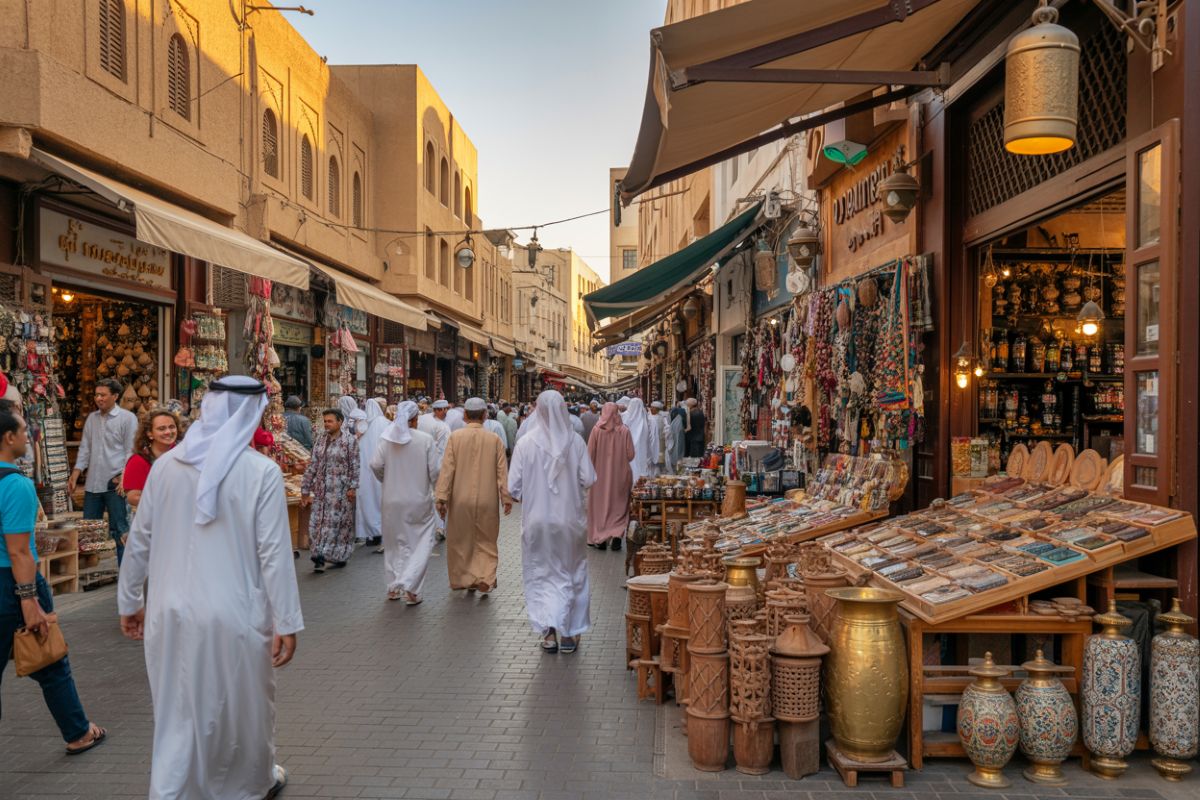
The article discusses the significant impact of the conflict between the United States, Iran, and Israel on tourism in the UAE, Saudi Arabia, and Gulf countries. This geopolitical tension has triggered a historic tourism collapse, leading to devastating economic losses, massive daily revenue declines, and posing a threat to the regional recovery and workforce stability. The article emphasizes the need for a thorough understanding of these developments, given their potential to reshape travel trends and the broader economic landscape in the region.
Key Points:
Actionable Takeaways:
Diversification of Travel Markets: Given the significant impact of geopolitical conflicts on tourism, travel companies should explore diversifying their markets to mitigate risks associated with regional instability. This could involve targeting regions less affected by current conflicts or developing new destinations that offer unique experiences.
Investment in Digital Travel Solutions: The article underscores the need for robust digital travel solutions to adapt to changing consumer behaviors and preferences. Investing in technology that enhances online booking, virtual tours, and contactless services can help travel companies maintain customer engagement and satisfaction during turbulent times.
Strengthening Risk Management Strategies: The article highlights the threat to regional recovery and workforce stability due to the tourism collapse. Travel companies should strengthen their risk management strategies to anticipate and mitigate the impacts of geopolitical tensions. This includes developing contingency plans, securing insurance coverage, and fostering partnerships with local governments and industry bodies.
Contextual Understanding:
The article is set against the backdrop of heightened geopolitical tensions between major world powers, specifically the United States, Iran, and Israel. These conflicts have a direct and immediate impact on the travel industry in the UAE, Saudi Arabia, and Gulf countries, leading to a sharp decline in tourism and economic losses. Understanding this context is crucial for professionals in the travel industry, as it highlights the vulnerability of the sector to global political events.
In recent years, the travel industry has witnessed a shift towards digitalization and innovation, driven by changing consumer behaviors and technological advancements. The rise of travel tech, fintech, and other digital solutions has transformed how travel is planned, booked, and experienced. Thought leaders in the industry emphasize the importance of staying agile and adaptable to emerging trends, such as sustainable travel, personalized travel experiences, and the integration of artificial intelligence in travel planning.
Handling Different Article Types:
The article in question is a news blurb, providing a concise overview of a significant event impacting the travel industry. News blurbs are typically factual and aim to inform readers quickly about key developments. In handling such articles, it is essential to focus on the core facts and context provided, ensuring that the summary, key points, and actionable takeaways are directly sourced from the article. This approach ensures that the output remains accurate, relevant, and aligned with the professional audience’s needs.
Real-Time Fact-Checking:
Given the constraints of the article’s content, real-time fact-checking involves verifying the accuracy of the information presented within the article itself. Since the article is sourced from a reputable news outlet, the facts and context provided are considered reliable. However, it is essential to remain vigilant and cross-reference any critical information with authoritative sources to ensure the highest level of accuracy and integrity in the generated content.
Read the Complete Article.
Experience the magic of the Nile aboard Kenzy Dahabeya, a luxury boutique sailing cruise that offers an unforgettable journey between...
Read moreDetails



