







Sail Through Time: Discover the Timeless Wonders of Upper Egypt Aboard Kenzy Dahabeya
Experience the magic of the Nile aboard Kenzy Dahabeya, a luxury boutique sailing cruise that offers an unforgettable journey between...
Read moreDetails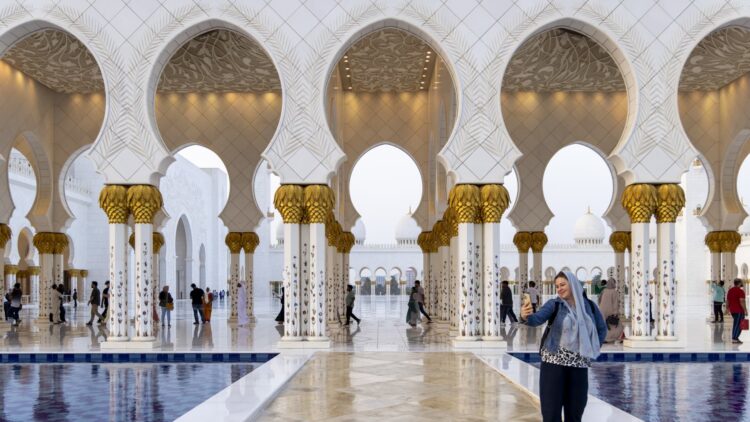
U.S.-UAE financial swap: Damage done by war to Gulf economy is growing
Comprehensive Summarization:
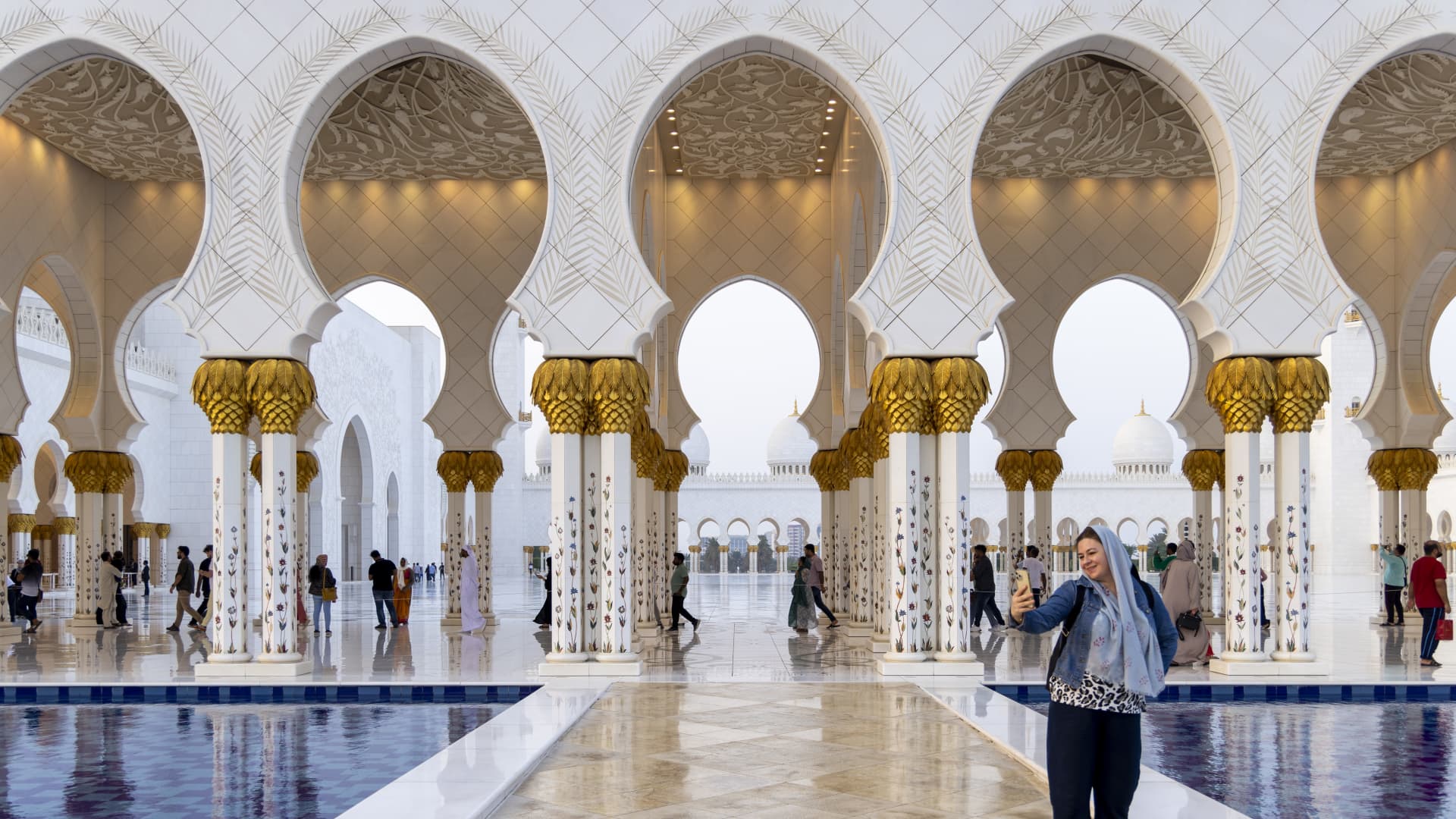
The article discusses the U.S. government’s consideration of providing a financial lifeline to the United Arab Emirates (UAE), specifically focusing on the Sheikh Zayed Grand Mosque, the largest mosque in the UAE. This development raises questions about the broader implications for the UAE’s economy and its standing in international relations. The article also touches on the latest travel trends and insights from thought leaders, highlighting the importance of understanding the evolving landscape of travel technology, startups, and fintech in the UAE.
Key Points:
Actionable Takeaways:
Financial Support for UAE: The potential financial support from the U.S. government to the UAE could stabilize the country’s economy, particularly in light of recent geopolitical tensions. This support might stimulate economic growth and bolster the UAE’s position as a key player in the global market, particularly in tourism and hospitality sectors.
Tourism and Travel Trends: The Sheikh Zayed Grand Mosque’s prominence as a tourist destination underscores the growing importance of cultural and religious tourism in the UAE. Travel companies and startups focusing on cultural experiences and religious tourism could benefit from this trend, potentially driving innovation in travel tech and fintech solutions tailored to this niche market.
Innovation in Travel Tech and Fintech: The UAE’s focus on becoming a global hub for finance and technology presents opportunities for startups in the travel sector. Innovations in travel booking platforms, payment solutions, and digital experiences could gain traction, especially with the government’s potential support. Travel companies leveraging these technologies could enhance customer experiences and streamline operations, gaining a competitive edge in the market.
Contextual Insights:
The article’s focus on the UAE’s financial situation and its implications for the travel industry reflects the broader context of geopolitical tensions and economic shifts in the Middle East. The Sheikh Zayed Grand Mosque’s status as a major tourist attraction highlights the UAE’s strategic positioning as a cultural and religious destination. This context is crucial for understanding the potential impact of financial support from the U.S. government, as it could either stabilize or further boost the UAE’s tourism and hospitality sectors.
Moreover, the emphasis on travel technology and fintech innovations aligns with the UAE’s Vision 2021 and its broader strategy to diversify its economy beyond oil. As the country continues to invest in smart city projects, digital infrastructure, and technological advancements, startups and established companies in the travel sector have a unique opportunity to innovate and capitalize on these trends. The integration of fintech solutions, such as digital payment systems and blockchain-based travel insurance, could enhance the travel experience for visitors while driving economic growth in the UAE.
In summary, the article provides valuable insights into the UAE’s financial prospects, the significance of cultural tourism, and the potential for technological and financial innovation in the travel sector. These takeaways are grounded in the facts and context provided, offering a forward-looking perspective on the evolving travel industry in the UAE.
Read the Complete Article.
Experience the magic of the Nile aboard Kenzy Dahabeya, a luxury boutique sailing cruise that offers an unforgettable journey between...
Read moreDetails



