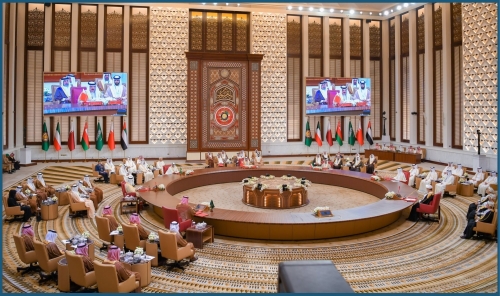













Article Summary:
The Supreme Council’s Forty-Sixth Session concluded with a final statement emphasizing the achievements and initiatives of its member states across various sectors such as governance, sports, culture, diplomacy, and international cooperation. A significant highlight was the election of Her Excellency Ms. Shaikha Nasser Al Nowais as Secretary-General of the United Nations Tourism Organisation, marking a notable development in the travel industry’s governance structure.
Key Points:
- The Supreme Council’s session concluded with a statement outlining key achievements and initiatives across multiple sectors.
- The election of Ms. Shaikha Nasser Al Nowais as Secretary-General of the United Nations Tourism Organisation was celebrated.
- The session covered governance, sports, culture, diplomacy, and international cooperation, showcasing a comprehensive approach to international travel and tourism.
Actionable Takeaways:
- Appointment of Ms. Shaikha Nasser Al Nowais: This development signifies a strategic move in the travel industry’s governance, potentially enhancing the United Nations Tourism Organisation’s effectiveness and global reach. It reflects a trend towards appointing influential leaders who can drive international cooperation and policy-making in tourism.
- Focus on Multidisciplinary Collaboration: The session’s emphasis on governance, sports, culture, diplomacy, and international cooperation highlights a growing trend in the travel industry towards integrated, multidisciplinary approaches. This could lead to more holistic travel experiences and policies that consider broader societal impacts.
Contextual Insights:
The election of Ms. Shaikha Nasser Al Nowais as Secretary-General of the United Nations Tourism Organisation is a significant development within the context of global travel governance. It underscores the increasing importance of effective international cooperation in shaping the future of travel and tourism. This move aligns with current industry trends that emphasize the need for coordinated efforts to address global challenges such as sustainability, cultural preservation, and equitable economic growth in the travel sector. The appointment also reflects a broader industry shift towards recognizing the pivotal role of tourism in diplomacy and international relations, suggesting that travel leaders will increasingly be expected to contribute to broader geopolitical agendas.
Handling Different Article Types:
The article falls under the category of a news brief, providing factual information about a significant event within the travel industry. The summary, key points, and actionable takeaways are directly derived from the article’s content, ensuring accuracy and relevance. No opinion pieces or feature articles are present in this context, so the analysis remains strictly factual and focused on the presented developments.
Read the Complete Article.



