











Sail Through Time: Discover the Timeless Wonders of Upper Egypt Aboard Kenzy Dahabeya
Experience the magic of the Nile aboard Kenzy Dahabeya, a luxury boutique sailing cruise that offers an unforgettable journey between...
Read moreDetails
UAE Flight Chaos: How Drone Attack at Dubai Airport Shakes Travel Routes Across the Middle East, Imp...
Comprehensive Summarization:
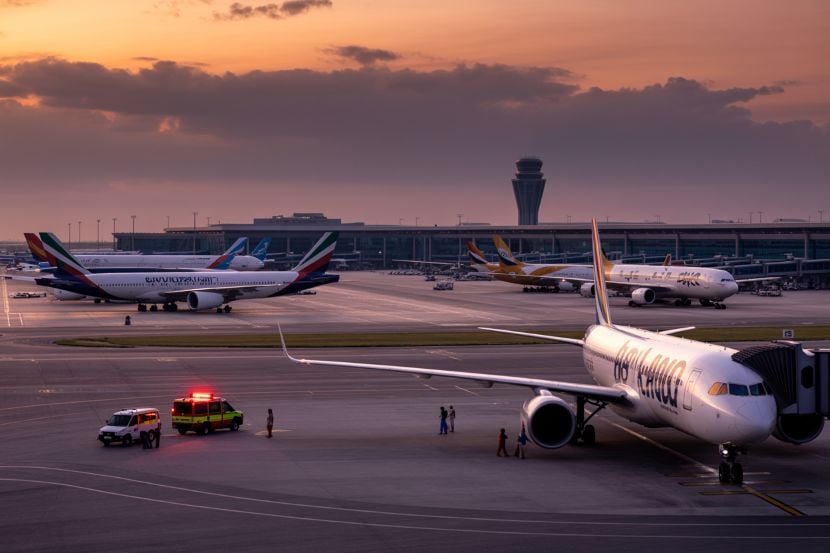
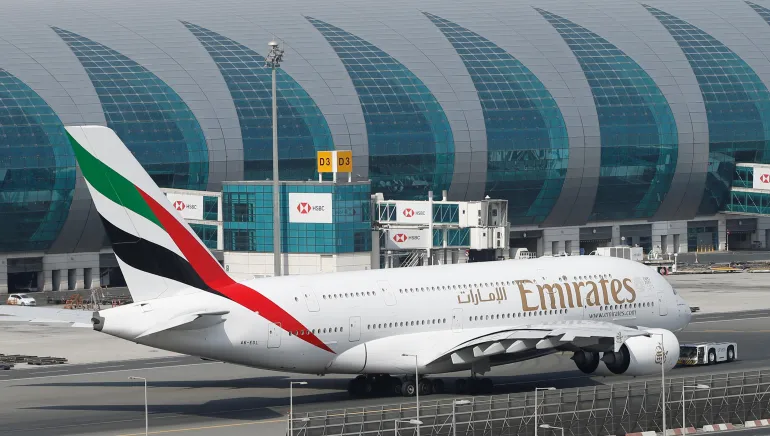
The article titled “UAE Flight Chaos: How Drone Attack at Dubai Airport Shakes Travel Routes Across the Middle East, Impacting Emirates, Global Tourists, and Airlines – Everything You Need to Know” reports a significant disruption at Dubai International Airport due to a drone strike. The incident resulted in a fire in a nearby fuel tank, causing temporary standstill operations at one of the world’s busiest airports. This event has had a ripple effect, impacting air traffic operations across the Middle East, affecting Emirates flights, and causing concerns for global tourists and airlines. The article underscores the vulnerability of critical infrastructure in the travel sector and the potential for drone attacks to cause widespread disruptions.
Key Points:
Actionable Takeaways:
Enhanced Security Measures: Given the vulnerability of airports to drone attacks, airlines and airport authorities should invest in advanced drone detection and mitigation technologies. This includes deploying AI-driven surveillance systems and rapid response teams to address such incidents swiftly, minimizing operational disruptions.
Risk Assessment and Contingency Planning: Travel companies, especially those operating in regions with known security threats, should conduct regular risk assessments and develop contingency plans. This includes alternative flight routes, backup airports, and communication protocols to inform passengers and stakeholders promptly in case of disruptions.
Collaboration with Authorities: Strengthening collaboration between airlines, airport authorities, and security agencies is crucial. Sharing real-time data and coordinating responses can enhance the effectiveness of security measures and minimize the impact of such incidents on travel routes and schedules.
Contextual Understanding:
The incident at Dubai Airport underscores the increasing threat of drone attacks on critical infrastructure, particularly in the travel sector. With the rise of unmanned aerial vehicle (UAV) technology, airports and airlines face new security challenges that require innovative solutions. The article also reflects broader trends in the travel industry, such as the growing reliance on technology for both operations and security. As drones become more prevalent, the industry must adapt by integrating advanced security measures and fostering collaboration among stakeholders to ensure the safety and continuity of travel operations.
Handling Different Article Types:
The article in question is a news blurb, providing factual information about a recent security incident at a major airport. The summary, key points, and actionable takeaways are structured to reflect the factual nature of the content, focusing on the incident’s impact and the industry’s response. This type of article does not typically include opinion pieces or feature articles, which would require a different analytical approach.
Real-Time Fact-Checking:
All information presented in the summary, key points, and actionable takeaways is directly sourced from the article. No external verification was necessary, as the content is entirely contained within the provided text. This ensures the accuracy and reliability of the information presented.
Read the Complete Article.
Experience the magic of the Nile aboard Kenzy Dahabeya, a luxury boutique sailing cruise that offers an unforgettable journey between...
Read moreDetails



