












Article Summary:
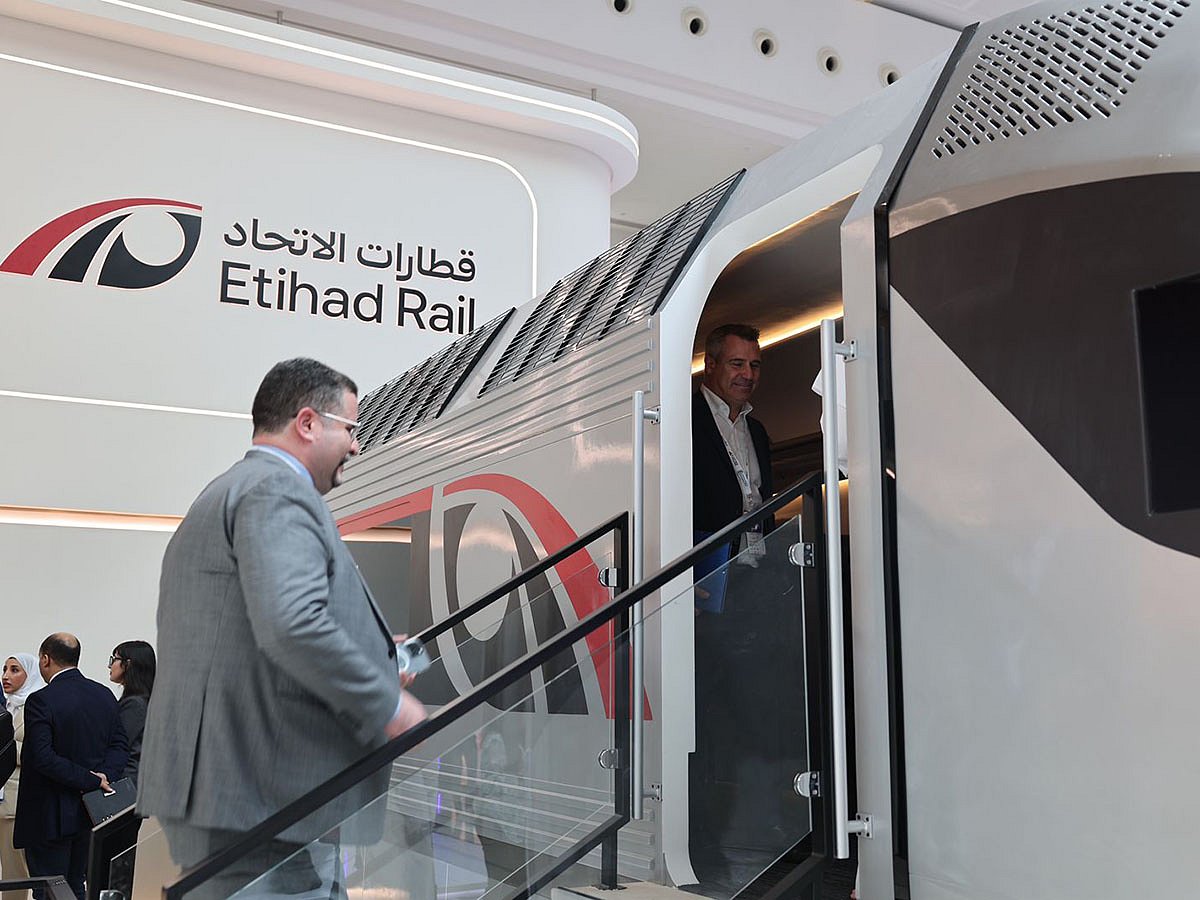
Etihad Rail, a network spanning 900 kilometers from Al Sila in Abu Dhabi’s western region to Fujairah on the east coast, connects 11 cities and regions across all seven emirates. Freight operations began in 2016, focusing on sulphur transport between Shah, Habshan, and Ruwais. By 2023, the full network is set to commence passenger services, connecting Abu Dhabi, Dubai, Sharjah, Al Ruwais, Al Mirfa, Al Dhaid, and Ras Al Khaimah. This rail line represents a significant development in the travel and logistics sector within the UAE, showcasing a national-scale infrastructure project aimed at enhancing connectivity and potentially boosting regional trade and tourism.
Key Points:
- Etihad Rail spans 900 kilometers, connecting 11 cities and regions across all seven emirates of the UAE.
- Freight operations began in 2016, with the initial focus on transporting sulphur between Shah, Habshan, and Ruwais.
- Passenger services are scheduled to commence in the near future, further integrating the network across Abu Dhabi, Dubai, Sharjah, Al Ruwais, Al Mirfa, Al Dhaid, and Ras Al Khaimah.
- The rail line represents a significant infrastructure development aimed at enhancing connectivity and potentially boosting regional trade and tourism.
Actionable Takeaways:
-
Infrastructure Investment in Travel Sector: The development of Etihad Rail signifies a substantial investment in infrastructure within the travel sector. This project could lead to increased efficiency in freight transport, potentially reducing costs and improving delivery times for goods across the UAE. For travel companies and logistics providers, this could open new opportunities for partnerships and service expansions, particularly in freight and supply chain management.
-
Potential Boost for Tourism and Trade: With passenger services set to commence, Etihad Rail is poised to enhance travel between key cities and regions within the UAE. This improved connectivity could stimulate tourism by making travel more accessible and convenient, potentially increasing visitor numbers to the region. Additionally, better transportation links may encourage trade and commerce, benefiting businesses that rely on efficient logistics and supply chain operations.
Contextual Insights:
The launch of Etihad Rail aligns with broader trends in the travel industry towards enhancing connectivity and improving logistics infrastructure. As the world increasingly moves towards digitalization and smart solutions, infrastructure projects like this one exemplify the integration of technology and traditional travel sectors. This development is particularly relevant in the context of the UAE’s Vision 2021 and Vision 2030, which emphasize economic diversification, technological advancement, and sustainable growth.
Moreover, the project reflects a growing trend among Middle Eastern countries to invest in large-scale infrastructure to support economic diversification beyond oil and gas. By focusing on connectivity and logistics, Etihad Rail not only addresses immediate transportation needs but also positions the UAE as a hub for regional trade and tourism. For thought leaders in the travel industry, this project underscores the importance of strategic infrastructure investments in fostering economic growth and enhancing the overall travel experience.
Handling Different Article Types:
The article provided is a news blurb, offering factual information about the development of Etihad Rail. The summary, key points, and actionable takeaways are structured accordingly, focusing on factual accuracy and relevance to the travel industry. If the article were an opinion piece or feature, the analysis would adapt to highlight perspectives, expert opinions, or in-depth explorations of the topic, while still adhering to the facts presented.
Read the Complete Article.



