








Sail Through Time: Discover the Timeless Wonders of Upper Egypt Aboard Kenzy Dahabeya
Experience the magic of the Nile aboard Kenzy Dahabeya, a luxury boutique sailing cruise that offers an unforgettable journey between...
Read moreDetails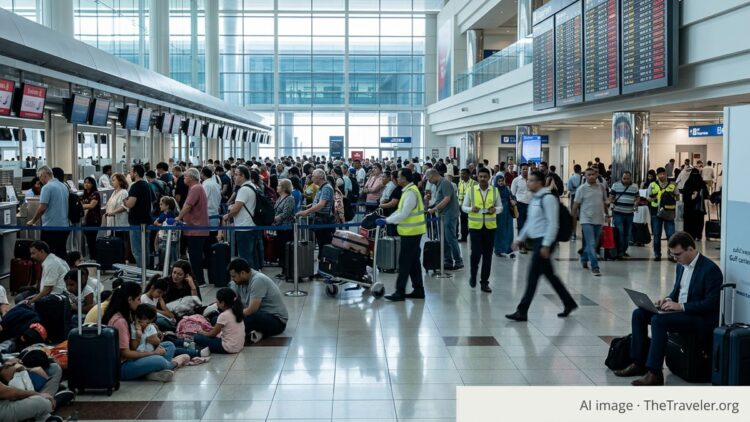
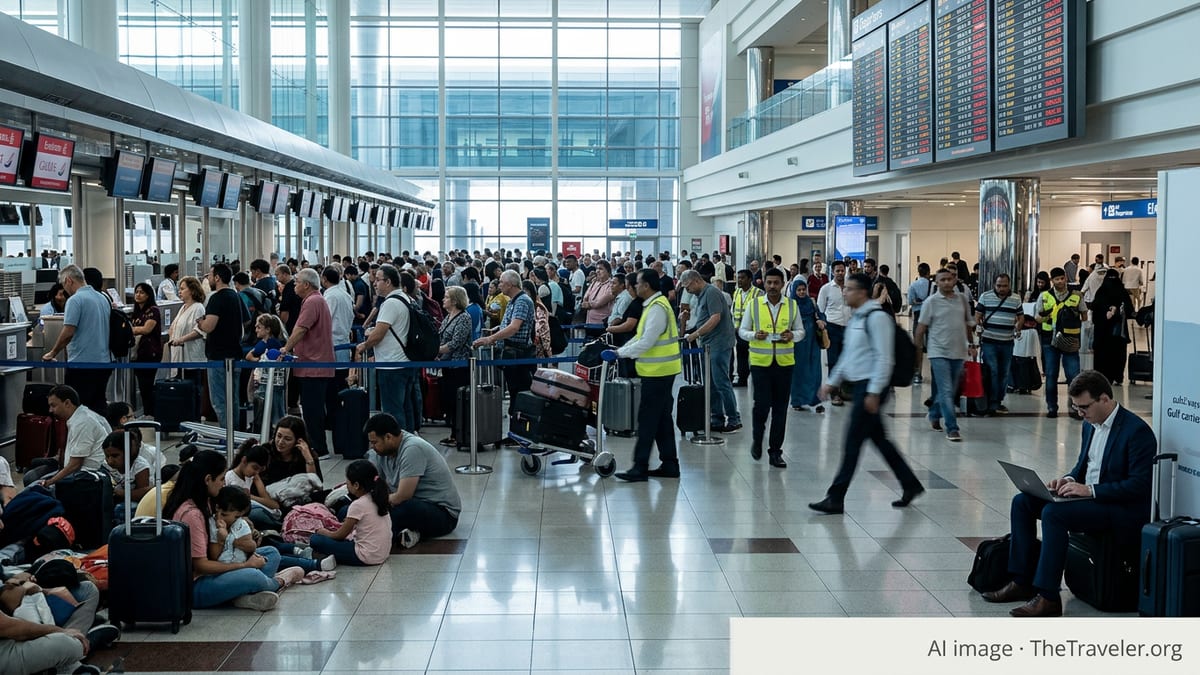
UAE Flight Chaos Strands Thousands as 417 Canceled, 257 Delayed
Comprehensive Summarization:
On March 6, thousands of passengers were stranded across the United Arab Emirates (UAE) due to a wave of flight cancellations and delays affecting Dubai, Abu Dhabi, Sharjah, and Al Maktoum airports. The disruption impacted 417 flights canceled and at least 257 delayed, affecting services operated by major carriers including Emirates, Etihad, flydubai, Air Arabia, and several international airlines. The article highlights the strain on the UAE airspace due to regional turmoil, underscoring the challenges faced by the travel industry in maintaining operational continuity amidst external disruptions.
Key Points:
Actionable Takeaways:
Enhanced Operational Resilience: Airlines and airports should invest in robust operational resilience strategies to mitigate the impact of disruptions. This includes developing contingency plans for cancellations and delays, ensuring real-time communication with passengers, and leveraging technology for efficient route management and resource allocation.
Focus on Passenger Communication: Effective communication with stranded passengers is crucial. Airlines should implement systems for real-time updates, providing accurate information on flight status, rebooking options, and assistance services. This not only improves passenger satisfaction but also helps in managing expectations during disruptions.
Leverage Technology for Real-Time Tracking: The use of advanced technologies such as AI and machine learning can enhance real-time tracking and management of flight operations. Implementing systems that provide predictive analytics for potential disruptions can help airlines proactively manage their schedules and resources, reducing the impact of cancellations and delays.
Contextual Insights:
The recent flight disruptions in the UAE underscore the vulnerability of the travel industry to external factors such as regional turmoil. This situation highlights the importance of adaptability and resilience in travel operations. As the industry continues to evolve, the integration of technology and improved communication strategies will be key to maintaining service continuity and ensuring passenger satisfaction. Furthermore, the incident serves as a reminder for stakeholders to continuously assess and enhance their operational frameworks to withstand unforeseen challenges. The focus on technological advancements and effective communication aligns with current industry trends, emphasizing the need for innovation in travel tech, startups, and fintech solutions to support operational efficiency and passenger experience.
Read the Complete Article.
Experience the magic of the Nile aboard Kenzy Dahabeya, a luxury boutique sailing cruise that offers an unforgettable journey between...
Read moreDetails



