












Article Summary:
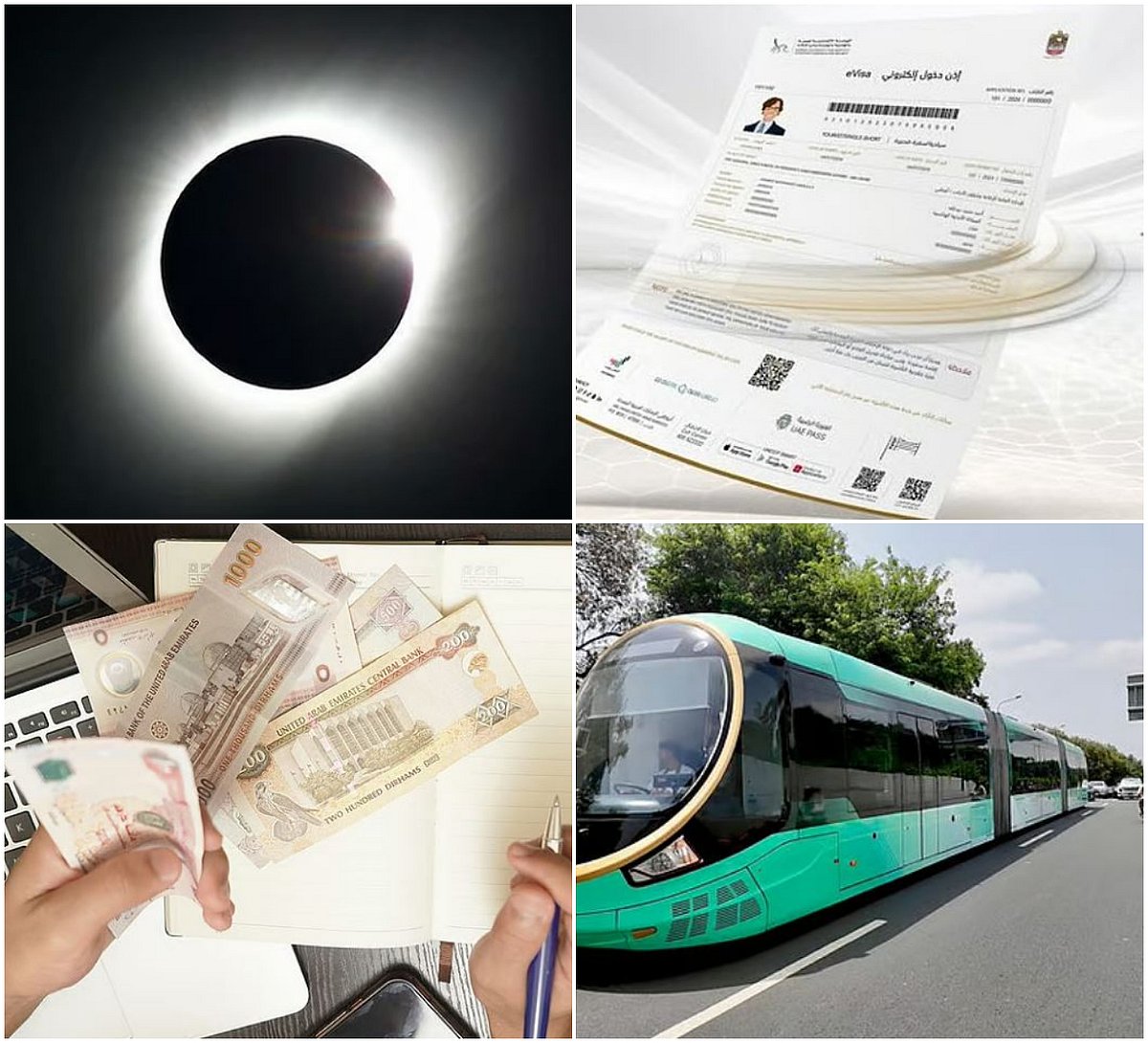
The article presents a series of updates and developments across various sectors within the travel industry, primarily focusing on Pakistan and the United Arab Emirates (UAE). Key highlights include Pakistan’s launch of its first trackless electric tram, the UAE’s introduction of a 180-day entry visa for Blue Residency applicants, and the issuance of new power bank rules by Emirates. Additionally, the UAE has implemented stricter checks at airports bound for GCC countries, and there is a tragic loss reported involving Kim Atienza’s daughter. The article also mentions a new UAE traffic law that exempts three categories of drivers and recognizes the top three schools in Pakistan in the World’s Best School Prizes 2025.
Key Points:
- Pakistan has launched its first trackless electric tram, marking a significant advancement in public transportation technology within the country.
- The UAE has introduced a 180-day entry visa for Blue Residency applicants, simplifying the process for eligible individuals.
- Emirates has issued new rules regarding power banks, likely aimed at enhancing safety and compliance on flights.
- The UAE has implemented stricter checks at airports bound for GCC countries, indicating a focus on security and regulatory compliance.
- A tragic loss has been reported involving Kim Atienza’s daughter, highlighting personal impacts within the industry.
- The UAE has exempted three categories of drivers from a new traffic law, reflecting changes in transportation regulations.
- Pakistan’s schools have been recognized as the top three in the World’s Best School Prizes 2025, showcasing educational excellence.
Actionable Takeaways:
-
Emirates’ Power Bank Rules: Travelers should familiarize themselves with Emirates’ new power bank regulations to ensure compliance during flights. This could involve carrying power banks in carry-on luggage only and adhering to specified size and capacity limits, which is crucial for maintaining device functionality during long-haul flights.
-
UAE’s 180-Day Entry Visa for Blue Residency: Businesses and individuals planning to relocate to the UAE should consider the benefits of the 180-day entry visa for Blue Residency applicants. This streamlined visa process can facilitate smoother transitions for expatriates, potentially boosting the UAE’s attractiveness as a global business hub and tourist destination.
-
Pakistan’s Electric Tram Initiative: The launch of Pakistan’s first trackless electric tram presents an opportunity for other countries to explore innovative public transportation solutions. Cities looking to enhance urban mobility and reduce carbon emissions could study this initiative to inform their own transportation planning and infrastructure development.
Contextual Insights:
The developments reported in the article reflect broader trends within the travel industry, such as the adoption of advanced technologies to improve efficiency and safety. The introduction of the trackless electric tram in Pakistan and the UAE’s streamlined visa process exemplify a shift towards sustainable and user-friendly travel solutions. These innovations not only enhance the travel experience for passengers but also position the UAE and Pakistan as leaders in adopting cutting-edge technologies within the sector.
Moreover, the UAE’s stricter airport checks and the exemption of certain driver categories from new traffic laws highlight a growing emphasis on security and regulatory compliance. These measures are likely driven by the increasing global focus on safety standards and the need for robust regulatory frameworks to manage evolving transportation dynamics.
The recognition of Pakistani schools in the World’s Best School Prizes 2025 underscores the importance of education in fostering a skilled workforce, which is essential for the growth of travel and tourism industries. As the sector continues to evolve, investments in education and technology will be pivotal in driving innovation and competitiveness.
In summary, the article underscores the dynamic nature of the travel industry, characterized by technological advancements, regulatory changes, and a growing focus on safety and efficiency. These developments present both challenges and opportunities for stakeholders, including airlines, airports, and educational institutions, as they navigate the evolving landscape of global travel.
Read the Complete Article.



