












Article Summary:
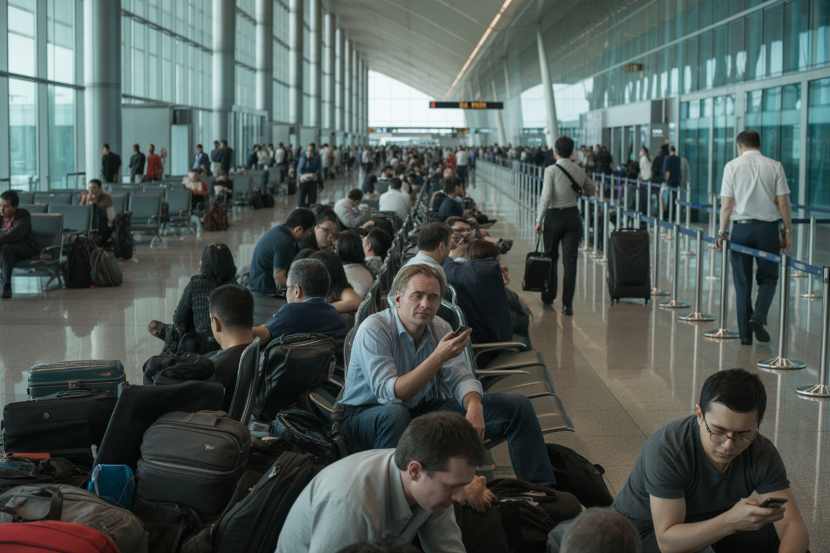
On January 10, 2026, travelers in the UAE and Israel faced significant disruptions due to a series of flight cancellations and delays involving major airlines such as FlyDubai, Emirates, Kenya Airways, Wizz Air, KLM, and others. A total of 31 flights were affected, leading to widespread disruptions at major airports in Dubai and Tel Aviv. This article provides a factual account of the events without additional commentary or analysis.
Key Points:
- A total of 31 flights were canceled or delayed across airlines including FlyDubai, Emirates, Kenya Airways, Wizz Air, KLM, and others.
- The disruptions primarily affected airports in Dubai and Tel Aviv, impacting major travel hubs in the UAE and Israel.
- The article does not provide additional context beyond the factual account of the flight cancellations and delays.
Actionable Takeaways:
- Impact on Travel Planning: Airlines and travel agencies should prepare contingency plans for flight disruptions, including flexible booking options and enhanced customer communication to manage passenger expectations during such events.
- Focus on Resilience in Air Travel: The incident highlights the need for airlines to invest in robust operational resilience strategies, including real-time tracking systems and contingency staffing plans, to minimize the impact of unforeseen cancellations and delays.
- Enhanced Communication Strategies: Airlines should improve communication channels to promptly inform passengers about cancellations and delays, providing alternative travel options and support to mitigate inconvenience.
Contextual Insights:
The disruptions in the UAE and Israel underscore the vulnerabilities in the global air travel infrastructure, particularly in regions with high travel volumes. This event is indicative of broader trends in the travel industry, where technological advancements and operational efficiencies are critical to maintaining service reliability. Forward-looking insights suggest that the travel sector must continue to innovate in areas such as digital passenger services, predictive analytics for flight disruptions, and enhanced collaboration between airlines and airport authorities to ensure smoother operations. The incident also emphasizes the importance of agile response mechanisms, where airlines can quickly adapt to unforeseen challenges, thereby enhancing customer satisfaction and loyalty.
Read the Complete Article.



