










Sail Through Time: Discover the Timeless Wonders of Upper Egypt Aboard Kenzy Dahabeya
Experience the magic of the Nile aboard Kenzy Dahabeya, a luxury boutique sailing cruise that offers an unforgettable journey between...
Read moreDetails
Comprehensive Summarization:
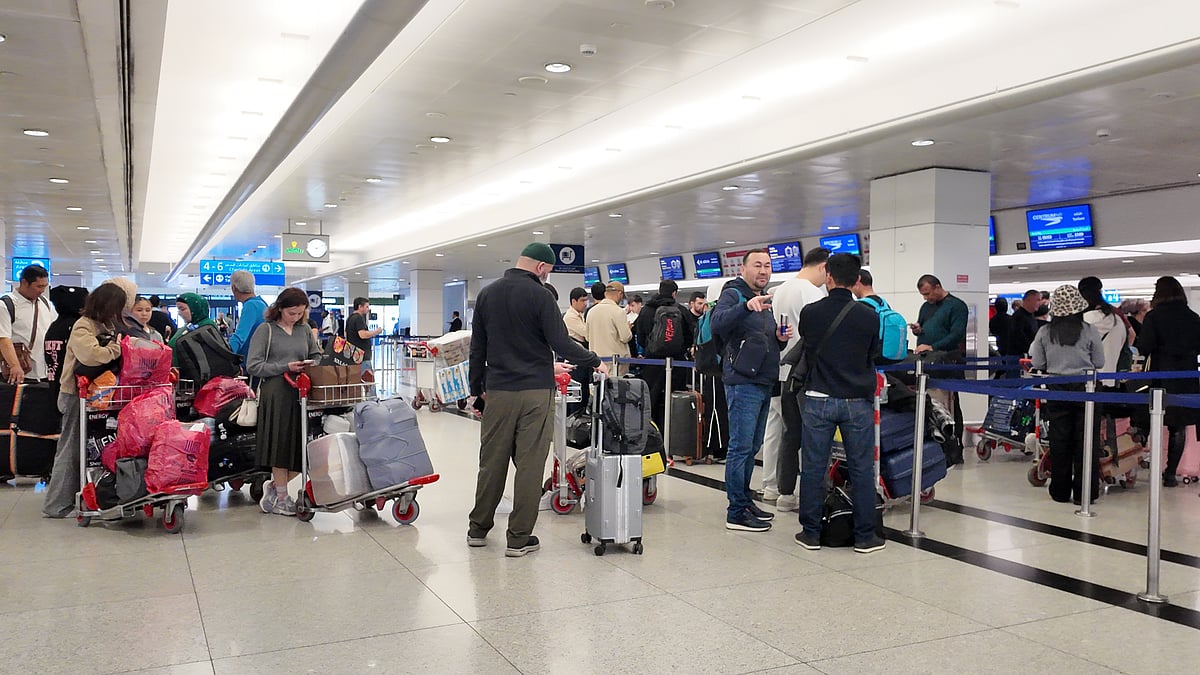
The article reports that the United Arab Emirates (UAE) has become the latest country to join a growing list of nations affected by the crisis involving Iran, Lebanon, Jordan, and the Strait of Hormuz. This crisis has triggered a global food emergency, displaced millions, and disrupted travel across Africa, Asia, and Europe. The affected regions include Cairo, Nairobi, Mumbai, Bangkok, and others. The article highlights the significant impact on travel and tourism, particularly in cities like Mumbai and Bangkok, and underscores the interconnectedness of global food security and travel disruptions.
Key Points:
Actionable Takeaways:
Monitor Travel Disruptions: Travel agencies and tourism boards should closely monitor travel advisories and disruptions in regions like Mumbai and Bangkok. Implement contingency plans for affected travelers, including flexible booking policies and alternative travel routes.
Focus on Food Security: Businesses involved in food supply chains should assess the impact of the crisis on their operations. Consider diversifying sourcing locations to mitigate risks associated with geopolitical tensions and travel disruptions.
Invest in Travel Tech Solutions: Companies in the travel technology sector should explore innovations that enhance travel safety and efficiency. This could include developing apps that provide real-time updates on travel disruptions, offering virtual travel experiences, or creating platforms for seamless rebooking and refunds.
Contextual Understanding:
The article reflects the ongoing challenges in the travel industry due to geopolitical tensions and their cascading effects on global food security and travel logistics. The inclusion of cities like Mumbai and Bangkok in the list of affected regions highlights the global reach of these disruptions. The emphasis on interconnectedness underscores the importance of a holistic approach to managing travel disruptions, encompassing both travel logistics and food supply chains. Thought leaders in the travel industry are likely to advocate for increased investment in travel technology to enhance resilience against such crises.
Handling Different Article Types:
The article is a news blurb, providing factual information about a recent crisis affecting travel and food security. The summary, key points, and actionable takeaways are structured to reflect the concise nature of news blurbs, ensuring that the information is accessible and actionable for a professional audience. The context provided integrates the latest travel trends and insights, emphasizing the need for adaptability and innovation in the face of global challenges.
Read the Complete Article.
Experience the magic of the Nile aboard Kenzy Dahabeya, a luxury boutique sailing cruise that offers an unforgettable journey between...
Read moreDetails



