










Sail Through Time: Discover the Timeless Wonders of Upper Egypt Aboard Kenzy Dahabeya
Experience the magic of the Nile aboard Kenzy Dahabeya, a luxury boutique sailing cruise that offers an unforgettable journey between...
Read moreDetails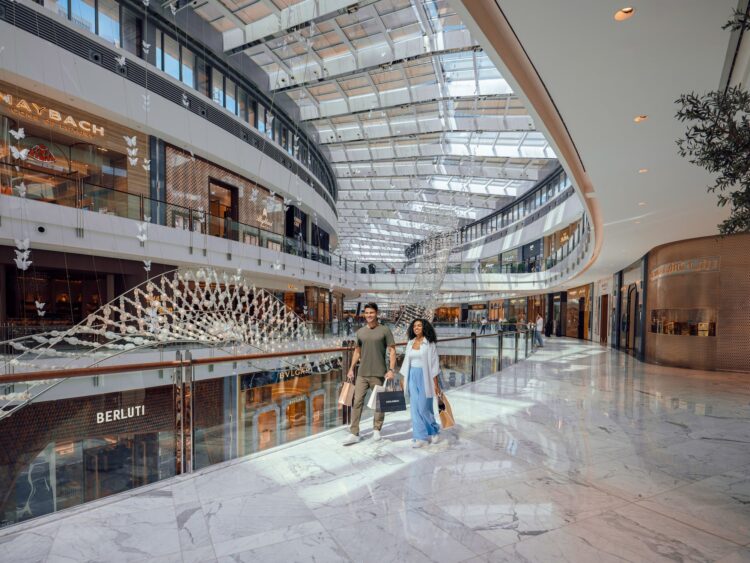
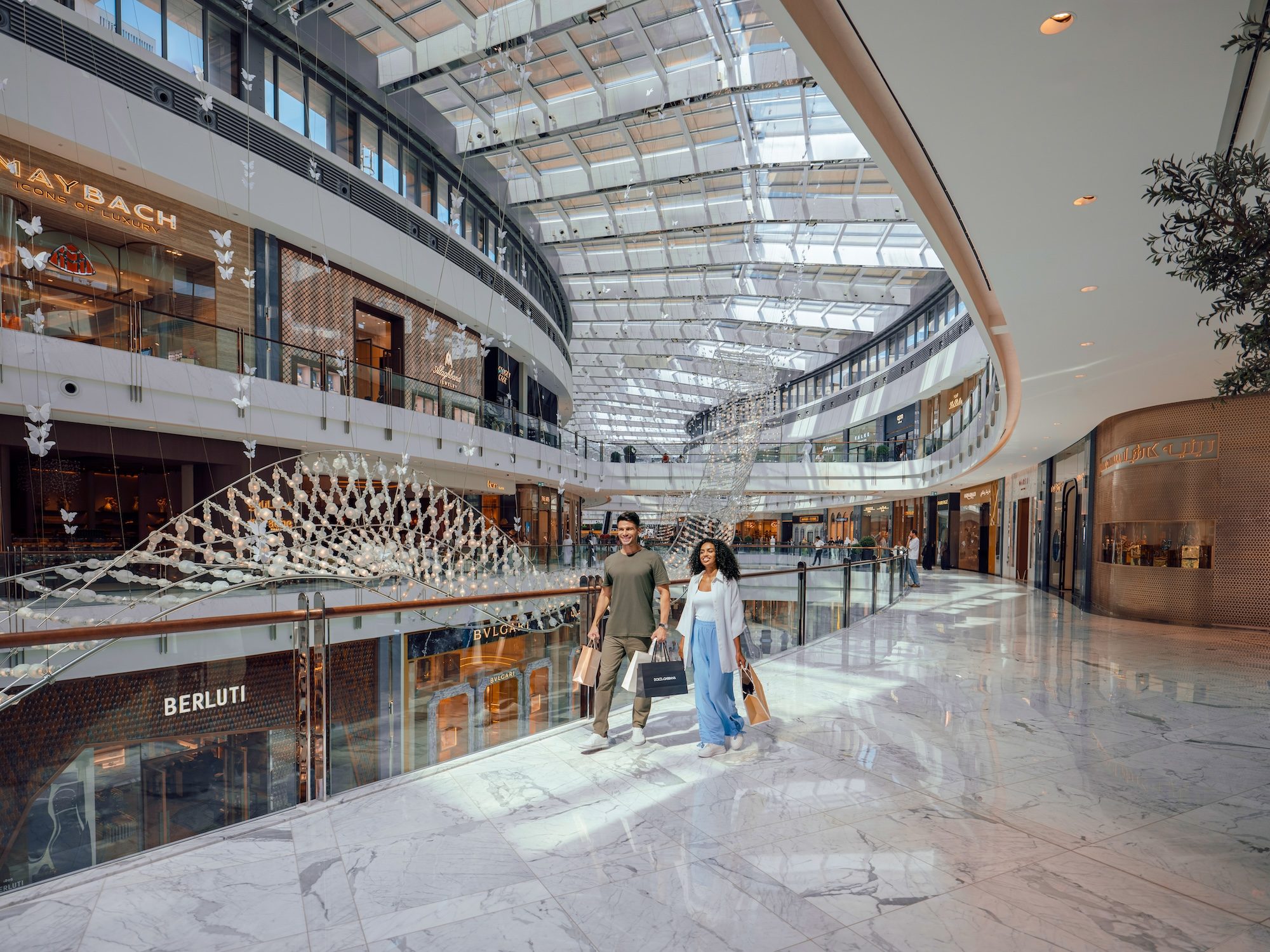
Primark was a recent addition to Dubai Mall, pictured, even though footfall has dropped in the absence of international tourists
Comprehensive Summarization:
The article discusses the resilience of UAE mall landlords in maintaining high rents despite the mounting pressure on retailers due to the Iran war. High occupancy rates and continued tenant demand are creating little incentive for landlords to offer concessions. The slowdown in tourism has negatively impacted footfall and discretionary spending across the country’s retail sector. Supply chain disruptions further complicate the situation. The article highlights the importance of understanding current market conditions and tenant behavior in the retail sector, particularly in the context of geopolitical tensions and travel restrictions.
Key Points:
Actionable Takeaways:
Maintain Stable Rental Rates: Given the high occupancy rates and tenant commitments, landlords may choose to maintain stable rental rates despite the pressures on retailers. This approach ensures a steady income stream and reduces the risk of vacancies.
Focus on Essential Retailers: With tourism and discretionary spending declining, landlords and retailers should prioritize essential goods and services. This strategy can help maintain sales and profitability during challenging economic conditions.
Diversify Tenant Mix: To mitigate risks associated with tourism fluctuations, malls should consider diversifying their tenant mix. Including a broader range of retailers, including those less sensitive to tourism trends, can provide more stable revenue.
Invest in Supply Chain Resilience: Supply chain disruptions are a significant concern. Investing in more resilient supply chains, possibly through local sourcing or strategic partnerships, can help mitigate the impact of external disruptions on retail operations.
Contextual Understanding:
The article reflects the current state of the retail sector in the UAE, particularly in the context of geopolitical tensions and travel restrictions. The high occupancy rates and tenant commitments indicate a stable rental market, which is crucial for landlords. However, the slowdown in tourism and supply chain disruptions highlight the vulnerabilities in the retail sector. Understanding these dynamics is essential for stakeholders in the travel and retail industries to make informed decisions. The insights provided align with recent trends in travel tech and fintech, where adaptability and resilience are key to navigating uncertain market conditions.
Handling Different Article Types:
The article is a news brief, providing factual information on the current state of the retail sector in the UAE. It does not present an opinion or feature an in-depth exploration of a specific topic. Therefore, the analysis focuses on summarizing the key points and extracting actionable insights directly from the article’s content.
Read the Complete Article.
Experience the magic of the Nile aboard Kenzy Dahabeya, a luxury boutique sailing cruise that offers an unforgettable journey between...
Read moreDetails



