











Sail Through Time: Discover the Timeless Wonders of Upper Egypt Aboard Kenzy Dahabeya
Experience the magic of the Nile aboard Kenzy Dahabeya, a luxury boutique sailing cruise that offers an unforgettable journey between...
Read moreDetails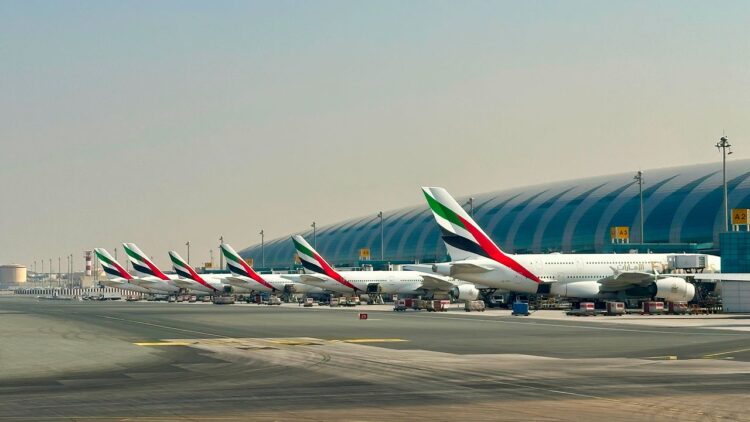
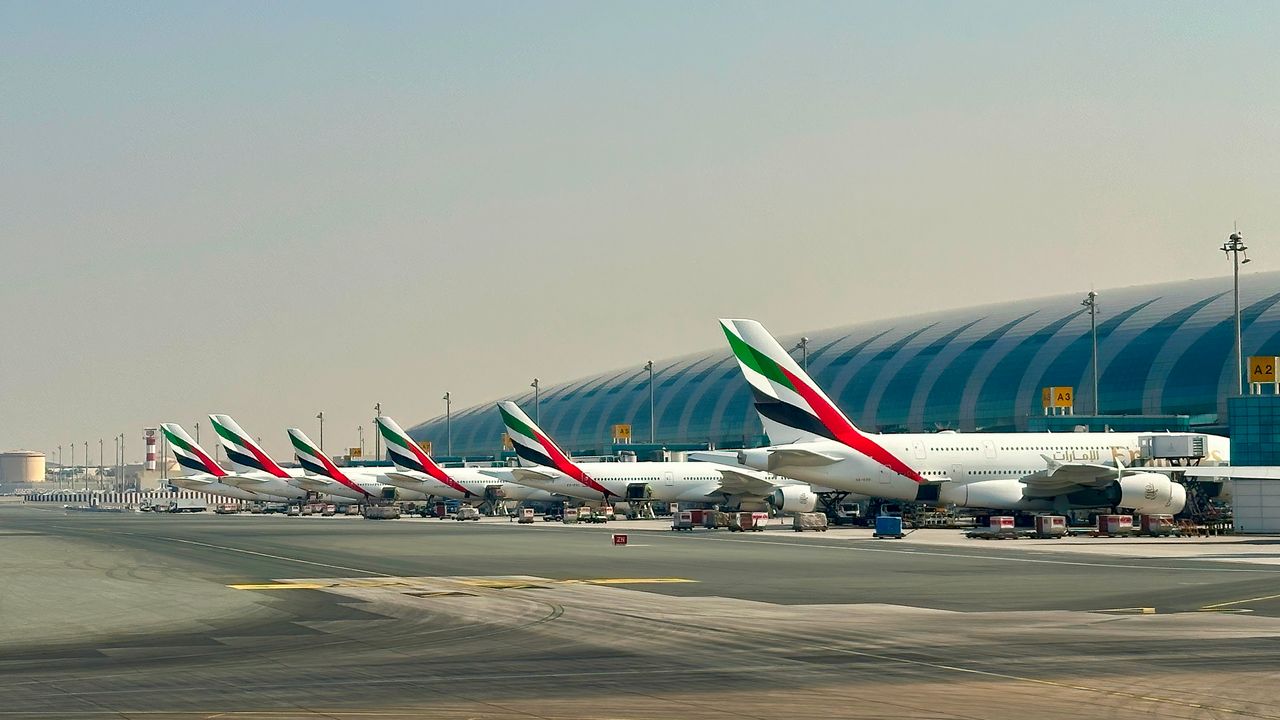
UAE planning hundreds of repatriation flights in coming weeks amid Middle East airspace closures
Comprehensive Summarization:
The UAE is preparing for hundreds of repatriation flights over the next few weeks to assist stranded travelers in returning to their home countries. This initiative follows days of missile and drone exchanges that led to widespread closures across Gulf airspace, grounding thousands of flights and leaving tens of thousands of passengers stranded. Dr. Saif Al Daheri, from the National Emergency Crisis and Disasters Management Authority, announced the government’s plans during a media briefing. The article also touches on the broader travel industry trends and insights from thought leaders, highlighting the impact of recent geopolitical events on air travel and the need for efficient repatriation strategies.
Key Points:
Actionable Takeaways:
Enhanced Repatriation Strategies: The UAE’s preparation for repatriation flights highlights the importance of having contingency plans for travel disruptions. Travel companies and governments should invest in flexible flight scheduling and communication systems to manage such crises effectively. This approach can help minimize passenger inconvenience and maintain operational continuity during unexpected events.
Focus on Passenger Safety and Communication: The situation underscores the critical role of clear communication and passenger safety protocols during crises. Airlines and travel agencies should prioritize real-time updates and transparent communication with passengers to manage expectations and reduce anxiety. Implementing robust communication strategies can enhance customer trust and satisfaction during turbulent times.
Contextual Insights:
The UAE’s proactive measures in repatriating stranded travelers reflect a broader trend in the travel industry to enhance resilience against geopolitical and natural disruptions. Recent events, such as missile and drone exchanges, have highlighted the vulnerability of air travel to external shocks. This context is crucial for understanding the urgency behind the government’s plans and the broader need for robust contingency strategies in the travel sector. Looking ahead, the integration of advanced technologies, such as AI-driven flight tracking and real-time communication platforms, could further improve the industry’s ability to respond to crises swiftly and efficiently. Additionally, the emphasis on passenger safety and communication aligns with emerging trends in customer-centric travel experiences, suggesting that companies investing in these areas may gain a competitive edge in an increasingly unpredictable market.
Read the Complete Article.
Experience the magic of the Nile aboard Kenzy Dahabeya, a luxury boutique sailing cruise that offers an unforgettable journey between...
Read moreDetails



