






Sail Through Time: Discover the Timeless Wonders of Upper Egypt Aboard Kenzy Dahabeya
Experience the magic of the Nile aboard Kenzy Dahabeya, a luxury boutique sailing cruise that offers an unforgettable journey between...
Read moreDetails
U.S. Intel BMOBSHELL: 'Even Massive War Won’t Topple Iran Regime Despite'... | WATCH
Comprehensive Summarization:
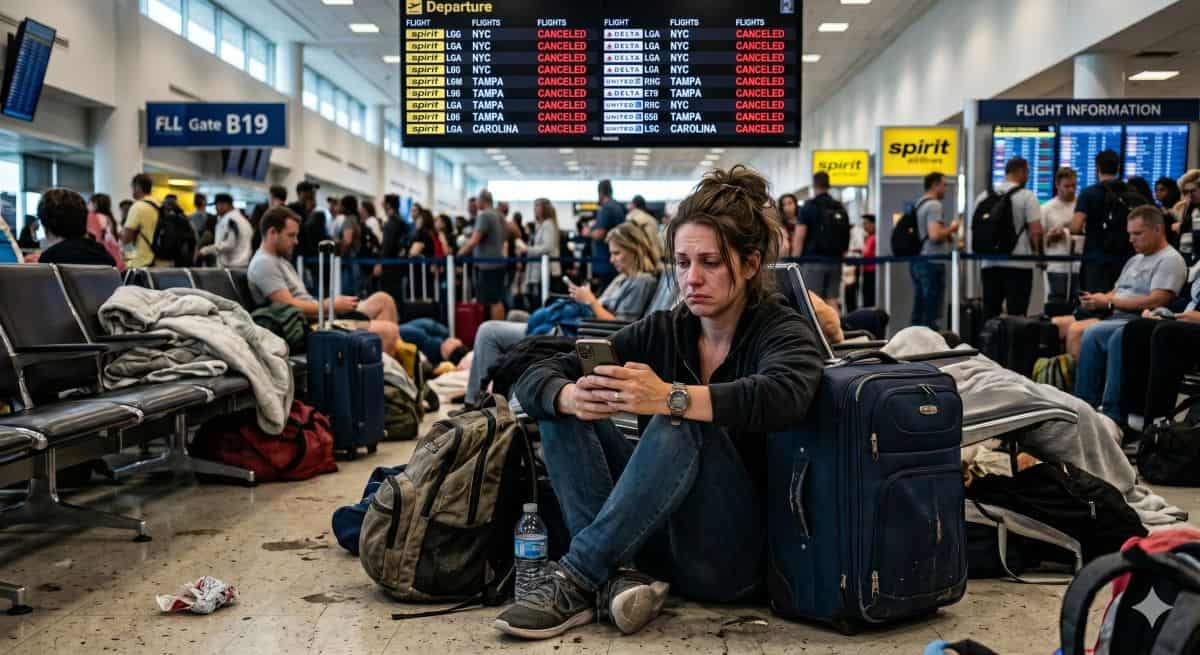
The article highlights the significant impact of the escalating conflict between Iran, the United States, and Israel on daily life in the Middle East, particularly for travelers and expatriates in the Gulf. As airspace closures and flight cancellations become the norm, many UAE residents are turning to land corridors and emergency assistance services to navigate the travel disruptions. This situation underscores the vulnerability of air travel in the region and the urgent need for alternative transportation solutions amidst geopolitical tensions.
Key Points:
Actionable Takeaways:
Invest in Land Transportation Infrastructure: Travel companies and governments should invest in enhancing land transportation infrastructure, such as roads and railways, to provide viable alternatives to air travel during geopolitical crises. This can help mitigate the impact on travelers and reduce reliance on air travel during conflicts.
Develop Emergency Assistance Services: There is a clear need for robust emergency assistance services that can quickly connect stranded travelers with ground transportation options. Developing and promoting such services can provide immediate relief to affected individuals and stabilize travel during crises.
Leverage Technology for Real-Time Updates: Travel tech companies should focus on developing real-time tracking and communication tools that keep travelers informed about flight status changes and alternative ground transportation options. This can help manage expectations and reduce the stress associated with travel disruptions.
Contextual Insights:
The article reflects the current state of the travel industry in the Middle East, where geopolitical tensions can have a profound impact on travel patterns and industry stability. The shift towards land corridors and emergency assistance services highlights a broader trend of increased reliance on alternative transportation modes during crises. This situation underscores the importance of innovation in travel tech and fintech, particularly in developing solutions that can quickly adapt to changing travel conditions. As geopolitical conflicts become more frequent, the industry must prioritize flexibility, resilience, and the development of comprehensive contingency plans to ensure the continuity of travel services.
Read the Complete Article.
Experience the magic of the Nile aboard Kenzy Dahabeya, a luxury boutique sailing cruise that offers an unforgettable journey between...
Read moreDetails



