









Sail Through Time: Discover the Timeless Wonders of Upper Egypt Aboard Kenzy Dahabeya
Experience the magic of the Nile aboard Kenzy Dahabeya, a luxury boutique sailing cruise that offers an unforgettable journey between...
Read moreDetails
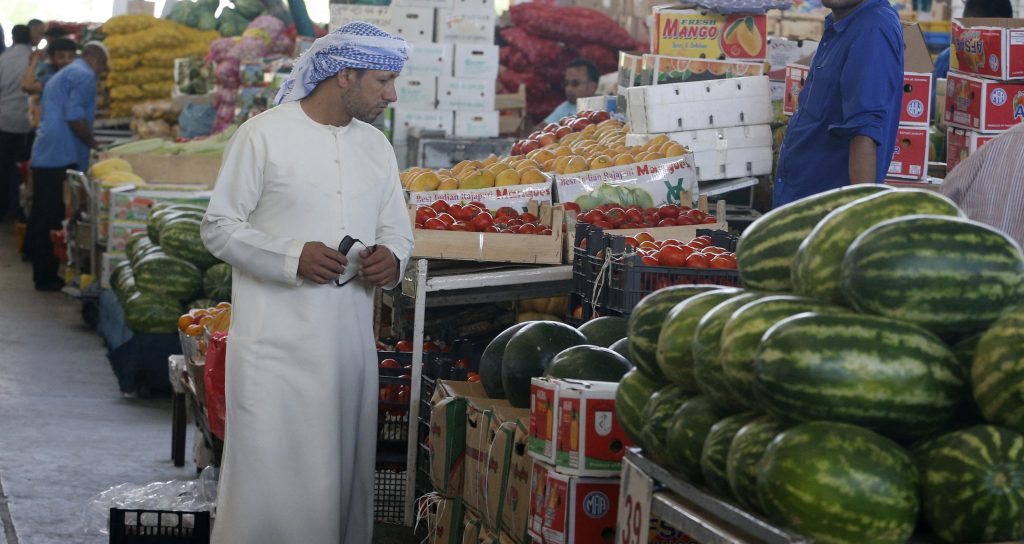
UAE secure six-month food stock
Comprehensive Summarization:
The Ministry of Economy and Tourism of the United Arab Emirates has announced that the country has stockpiles of essential goods sufficient to last up to six months. This move is part of a strategy to monitor market prices and prevent possible price increases, ensuring product availability and price stability across retail outlets. A list of nine products is protected by an essential goods price policy, which prohibits adjustments to these prices. This policy aims to stabilize the market and protect consumers from potential price hikes.
Key Points:
Actionable Takeaways:
Price Stability Measures: The implementation of an essential goods price policy in the UAE demonstrates a proactive approach to market stabilization. Travel businesses, especially those dealing with essential goods, should monitor similar regulatory developments in their regions to anticipate and adapt to price stability measures. This could impact pricing strategies and inventory management in the short term.
Market Monitoring: The UAE’s strategy of actively monitoring market prices at retail outlets highlights the importance of real-time data in managing supply chains and pricing. Travel companies can leverage similar monitoring systems to optimize their supply chains, reduce costs, and maintain competitive pricing in volatile markets.
Contextual Insights:
The UAE’s proactive measures in stockpiling essential goods and implementing a price policy reflect broader trends in global travel and commerce towards market stabilization and consumer protection. In the current context of fluctuating global markets and rising inflation, such strategies are becoming increasingly relevant. For the travel industry, this underscores the importance of staying informed about regulatory developments and adopting flexible pricing models that can adapt to policy changes. Additionally, the emphasis on product availability suggests a growing focus on supply chain resilience, an area where travel startups and fintech innovations can play a crucial role by offering solutions for inventory management and payment processing in volatile economic conditions.
Read the Complete Article.
Experience the magic of the Nile aboard Kenzy Dahabeya, a luxury boutique sailing cruise that offers an unforgettable journey between...
Read moreDetails



