












Article Summary:
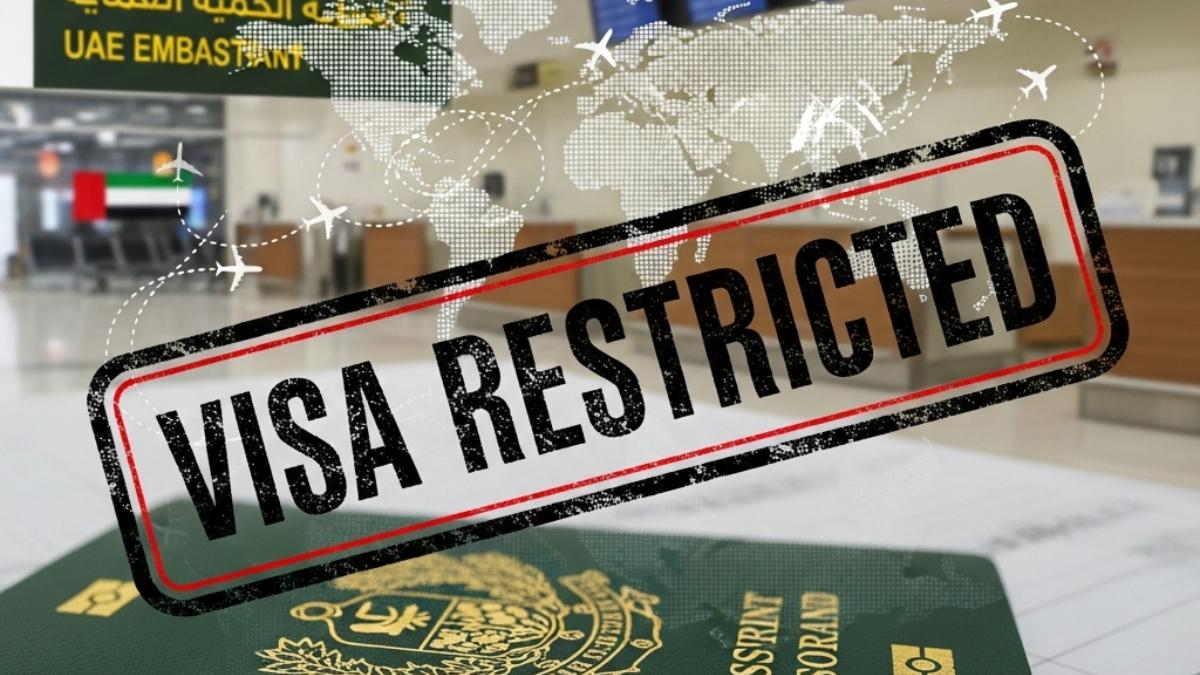
The United Arab Emirates (UAE) has implemented a significant visa restriction for Pakistani nationals, allowing only those with diplomatic and government “blue” passports. This move comes amid rising concerns over misuse of visit visas and could significantly impact travel and employment opportunities for ordinary Pakistani travelers. The decision reflects the UAE’s efforts to tighten its immigration policies in response to security concerns.
Key Points:
- The UAE has restricted visa issuance for Pakistani nationals, limiting entry to those with diplomatic and government “blue” passports.
- This decision is driven by concerns over illegal activities linked to some visitors, indicating a shift towards stricter immigration controls.
- The move could have substantial implications for travel and employment opportunities for Pakistani nationals, potentially affecting both personal and professional travel plans.
Actionable Takeaways:
- Travel Planning Adjustments: Pakistani nationals planning to travel to the UAE should reassess their travel itineraries, considering the new visa restrictions. This may involve exploring alternative destinations or adjusting travel dates to align with the new visa policy.
- Employment Opportunities Review: Employers in the UAE who hire Pakistani nationals should review their recruitment strategies. The new visa policy may limit the pool of eligible candidates, necessitating a reevaluation of hiring practices and potentially leading to increased reliance on other nationalities or remote work solutions.
- Policy Monitoring: Stakeholders in the travel and immigration sectors should closely monitor the UAE’s implementation of this policy. Changes or further adjustments to visa regulations could have broader implications for international travel and employment, requiring proactive adaptation to remain compliant and competitive.
Contextual Insights:
The UAE’s decision to tighten visa issuance for Pakistani nationals is a strategic response to concerns over illegal activities associated with certain visitors. This move underscores the broader trend of countries tightening immigration controls in response to security threats and misuse of visas. In the context of the travel industry, such policies can significantly impact travel demand and the dynamics of international mobility. For startups and businesses in the travel tech sector, this could present opportunities to develop innovative solutions that facilitate compliant travel arrangements or enhance security measures for travelers. Additionally, the policy highlights the importance of fintech innovations in streamlining visa application processes and ensuring secure transactions, which could become crucial for businesses operating in the travel and immigration sectors.
Read the Complete Article.



