








Sail Through Time: Discover the Timeless Wonders of Upper Egypt Aboard Kenzy Dahabeya
Experience the magic of the Nile aboard Kenzy Dahabeya, a luxury boutique sailing cruise that offers an unforgettable journey between...
Read moreDetails
Comprehensive Summarization:
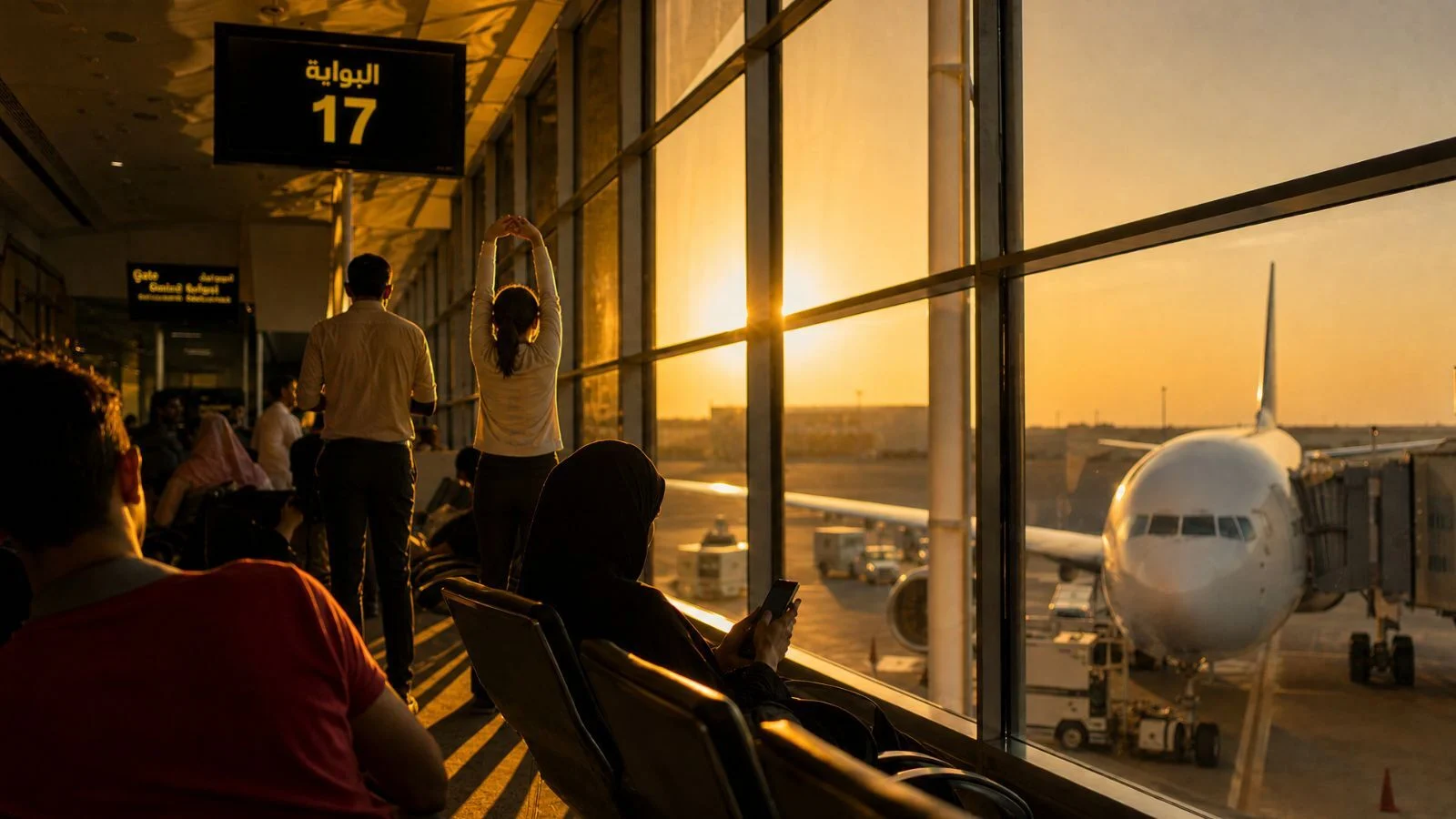
The UAE’s Federal Authority for Identity, Citizenship, Customs and Ports Security has approved a blanket waiver of overstay penalties for tourists, visit-visa holders, and cancelled residents who were stranded due to flight cancellations following the grounding on February 28. Typically, visitors are fined AED 100 per day for overstaying their visa, which can accumulate to a significant amount, often surpassing the cost of the ticket home. This decision aims to alleviate financial burdens on stranded travelers and potentially encourage tourism recovery in the UAE.
Key Points:
Actionable Takeaways:
Financial Relief for Travelers: The waiver of overstay penalties provides immediate financial relief for stranded travelers, reducing the immediate cost burden associated with visa overstays. This could encourage more travelers to consider the UAE as a destination during uncertain times, potentially boosting tourism recovery.
Potential Boost for Tourism Recovery: By alleviating financial penalties for stranded travelers, the UAE may see an increase in tourism recovery efforts. This policy could help mitigate the economic impact of flight cancellations and stranded tourists, fostering a more resilient tourism sector.
Contextual Insights:
The waiver of overstay penalties reflects a proactive approach by the UAE government to address the immediate challenges faced by stranded travelers in the wake of flight cancellations. This move aligns with broader industry trends focusing on traveler welfare and recovery strategies in the travel sector. As the travel industry continues to navigate uncertainties, such policies can serve as a model for other destinations facing similar challenges. Additionally, this waiver may stimulate discussions around innovative solutions in travel tech and fintech, particularly in managing visa and travel-related financial transactions during crises. The emphasis on traveler support underscores a shift towards more empathetic and customer-centric policies in the travel industry, potentially influencing future regulatory frameworks and consumer expectations.
Read the Complete Article.
Experience the magic of the Nile aboard Kenzy Dahabeya, a luxury boutique sailing cruise that offers an unforgettable journey between...
Read moreDetails



