











Sail Through Time: Discover the Timeless Wonders of Upper Egypt Aboard Kenzy Dahabeya
Experience the magic of the Nile aboard Kenzy Dahabeya, a luxury boutique sailing cruise that offers an unforgettable journey between...
Read moreDetails
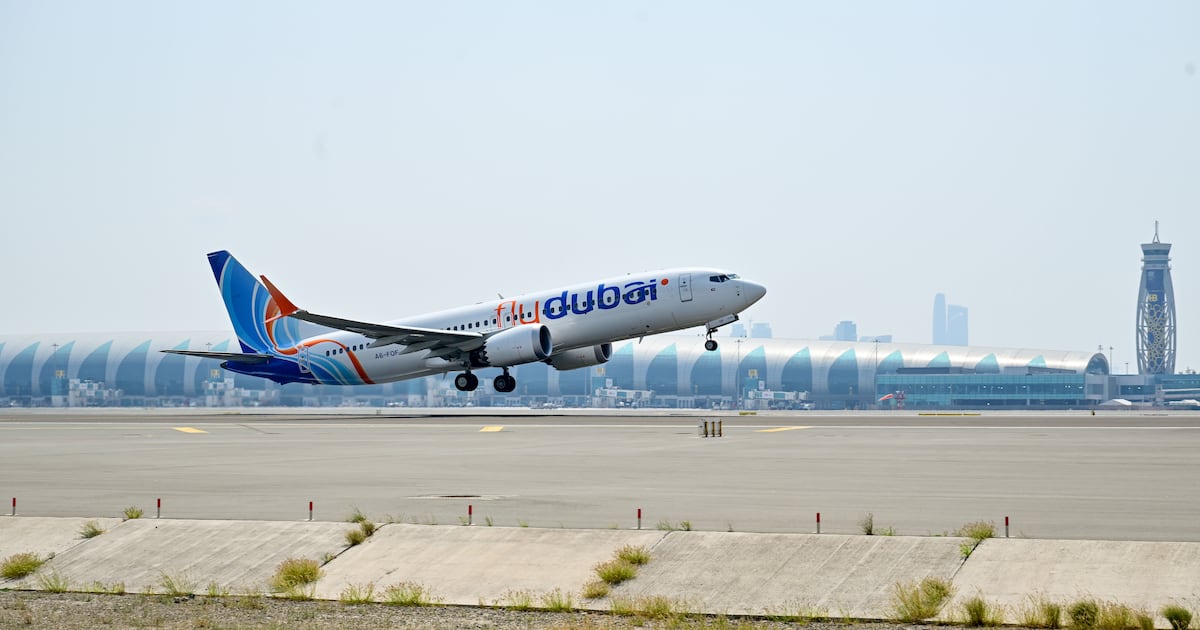
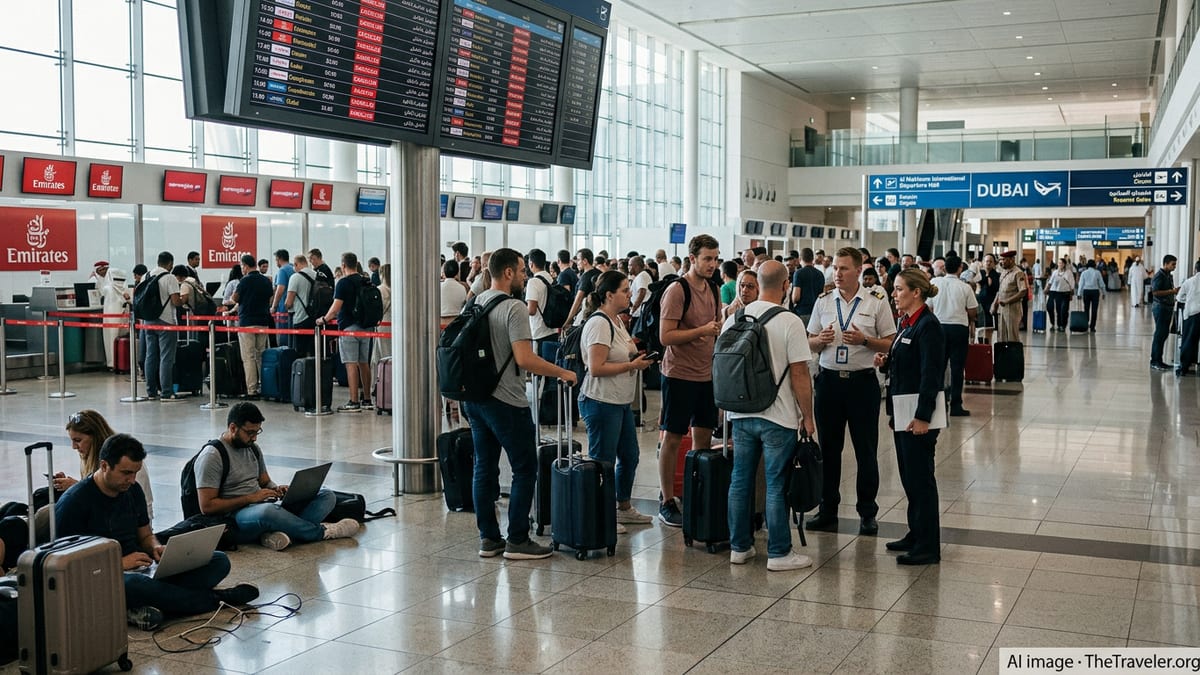
Dubai-Iran air corridor disrupted as Dubai Airports lists 17 Flydubai cancellations
Comprehensive Summarization:
Effective February 25, 2026, the United Kingdom will enforce an Electronic Travel Authorisation (ETA) for all travelers who previously entered visa-free. This new requirement mandates that passengers, including those transiting, must present a valid ETA, e-visa, or British/Irish passport upon boarding. The £16 digital permit is valid for two years or until passport expiry. The UK’s move underscores a broader trend towards digital travel authorization systems, aiming to enhance border security and streamline entry processes for international travelers.
Key Points:
Actionable Takeaways:
Compliance Strategy for Airlines and Travel Agencies: Airlines and travel agencies must update their systems and procedures to verify ETA compliance at the point of boarding. This includes integrating digital permit checks into their reservation and ticketing systems to ensure passengers meet the new entry requirements. This action is crucial to avoid denied boarding and potential financial losses due to last-minute cancellations or re-routing.
Impact on Travel Planning and Budgeting: Travelers should factor in the £16 cost of the ETA when planning their trips to the UK. This fee, valid for two years, represents a one-time expense that could influence travel budgeting, especially for frequent travelers. It also highlights the importance of checking visa requirements well in advance of travel dates to avoid last-minute fees or travel disruptions.
Enhanced Border Security and Travel Efficiency: The introduction of the ETA system is expected to enhance border security by ensuring that only authorized travelers enter the UK. This move aligns with global trends towards digital travel authorization, which streamline entry processes and reduce manual checks. For the travel industry, this could lead to more efficient border management and a smoother travel experience for compliant passengers.
Contextual Insights:
The UK’s implementation of an Electronic Travel Authorisation (ETA) system reflects a broader industry shift towards digital solutions for travel authorization. This trend is driven by the need for enhanced security measures, streamlined border processes, and the increasing demand for seamless travel experiences. Thought leaders in the travel industry have noted that such digital systems not only improve security but also reduce bureaucratic hurdles for travelers, making international travel more accessible and efficient.
Moreover, the move aligns with the growing emphasis on fintech innovations in travel, such as digital payment solutions and e-visa processing. As travel becomes increasingly digitized, startups and established companies in the travel tech sector are likely to see increased demand for solutions that facilitate digital entry requirements. This could spur further innovation in travel authorization technologies, benefiting both travelers and industry stakeholders.
In summary, the UK’s new ETA requirement marks a significant step in modernizing travel authorization processes, with implications for airlines, travel agencies, and travelers alike. By adhering to these new regulations, industry players can ensure compliance, enhance security, and capitalize on emerging digital travel solutions.
Read the Complete Article.
Experience the magic of the Nile aboard Kenzy Dahabeya, a luxury boutique sailing cruise that offers an unforgettable journey between...
Read moreDetails



