







Sail Through Time: Discover the Timeless Wonders of Upper Egypt Aboard Kenzy Dahabeya
Experience the magic of the Nile aboard Kenzy Dahabeya, a luxury boutique sailing cruise that offers an unforgettable journey between...
Read moreDetails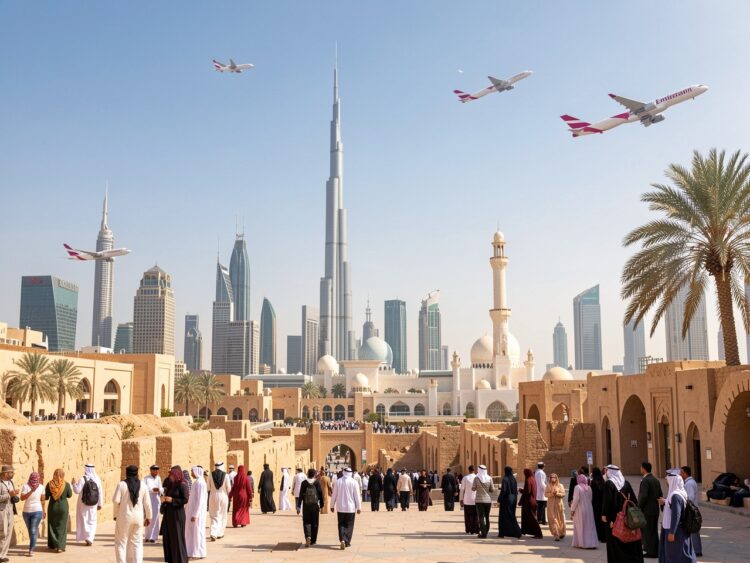
UK, India, Russia, and U.S. Tourists Flock to UAE: Emirates, Etihad, Aeroflot, and British Airways C...
Comprehensive Summarization:
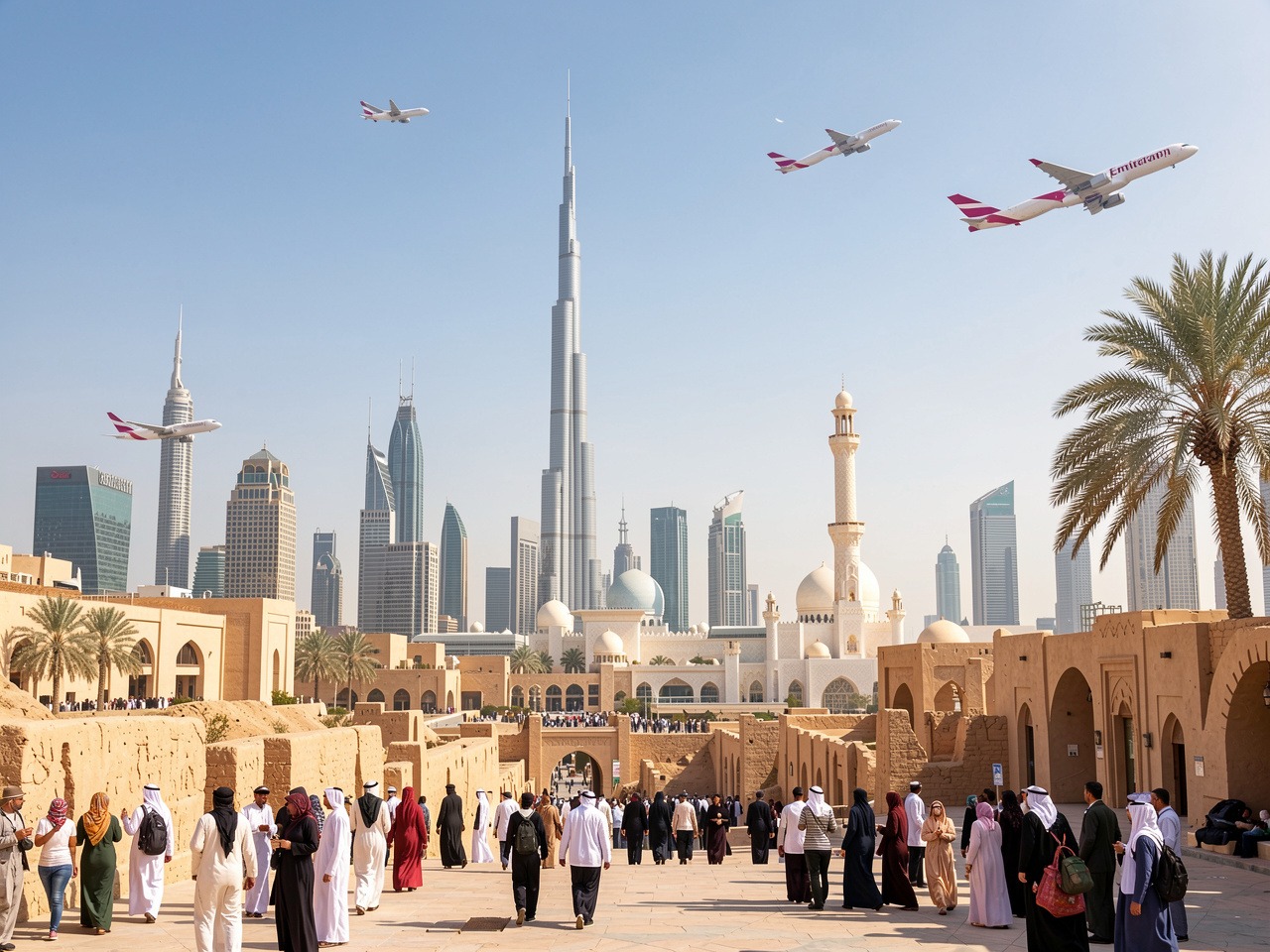
The article highlights a significant surge in tourism to the United Arab Emirates (UAE) from UK, India, Russia, and U.S. tourists, driven by the country’s new national plan to register its cultural heritage elements with UNESCO. This initiative has opened the floodgates to a surge in cultural tourism, positioning the UAE as a global hub for luxury and innovation. The Emirates, Etihad, Aeroflot, and British Airways are capitalizing on this trend, reflecting a broader trend in cultural tourism that is reshaping the travel industry.
Key Points:
Actionable Takeaways:
Leverage Cultural Heritage for Tourism Growth: Travel companies and destinations should explore registering cultural heritage elements with international bodies like UNESCO to attract more tourists. This strategy can be a powerful tool for boosting cultural tourism and positioning a region as a global travel destination.
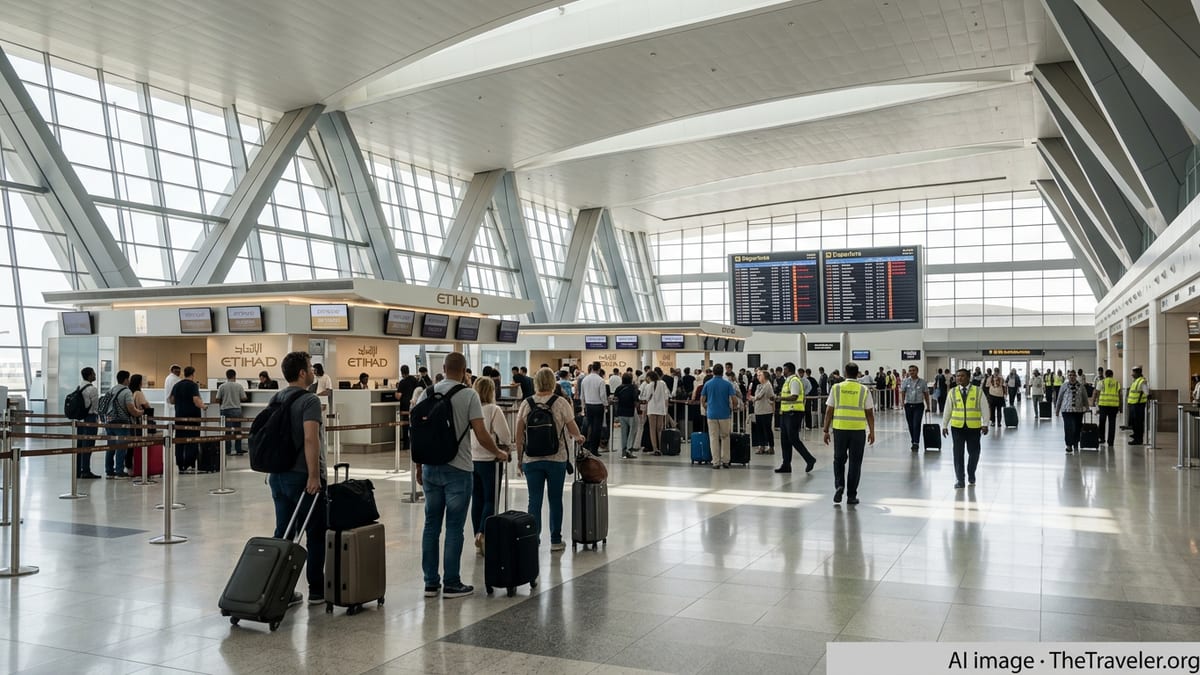
Collaborate with Major Airlines: Airlines like Emirates and Etihad are capitalizing on the increased tourist flow by offering specialized travel packages. Travel companies should consider partnering with major airlines to enhance their market reach and offer integrated travel solutions to tourists.
Invest in Luxury and Innovation: The UAE’s success underscores the importance of luxury and innovation in the travel sector. Travel businesses should invest in cutting-edge technologies and premium services to attract high-end tourists and differentiate themselves in a competitive market.
Contextual Insights:
The surge in tourism to the UAE is a clear indicator of the growing global interest in cultural tourism. The UAE’s strategic registration of cultural heritage elements with UNESCO has not only enhanced its appeal but also positioned it as a leader in cultural tourism. This trend aligns with the broader industry shift towards experiential travel, where tourists seek unique cultural experiences over traditional sightseeing. As travel companies and destinations continue to innovate and invest in cultural heritage preservation, they are likely to see sustained growth in tourism. Furthermore, the collaboration between travel companies and airlines, as seen with Emirates and Etihad, highlights the importance of strategic partnerships in leveraging market opportunities. This approach not only expands market reach but also enhances the overall travel experience for tourists, contributing to the long-term success of the travel industry.
Read the Complete Article.
Experience the magic of the Nile aboard Kenzy Dahabeya, a luxury boutique sailing cruise that offers an unforgettable journey between...
Read moreDetails



