












Sail Through Time: Discover the Timeless Wonders of Upper Egypt Aboard Kenzy Dahabeya
Experience the magic of the Nile aboard Kenzy Dahabeya, a luxury boutique sailing cruise that offers an unforgettable journey between...
Read moreDetails
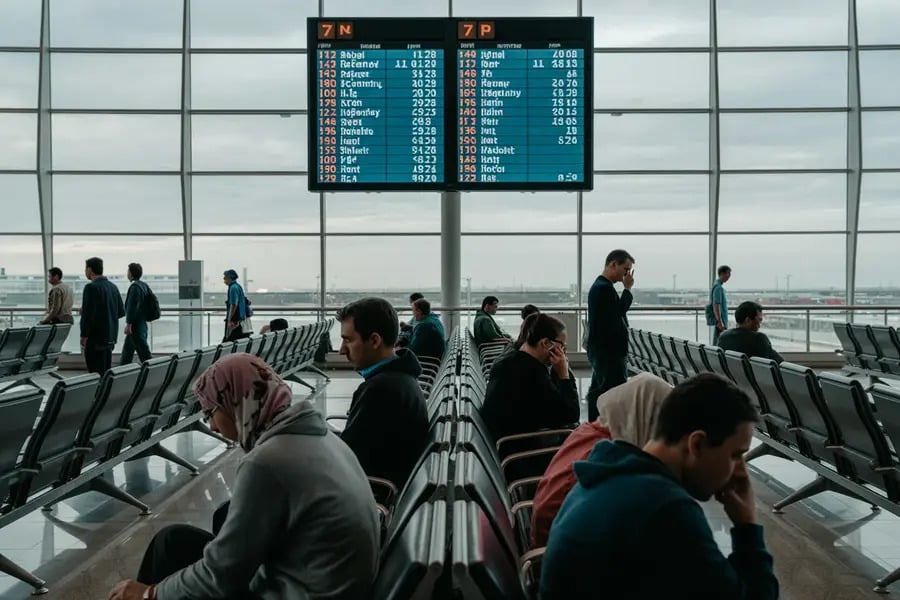
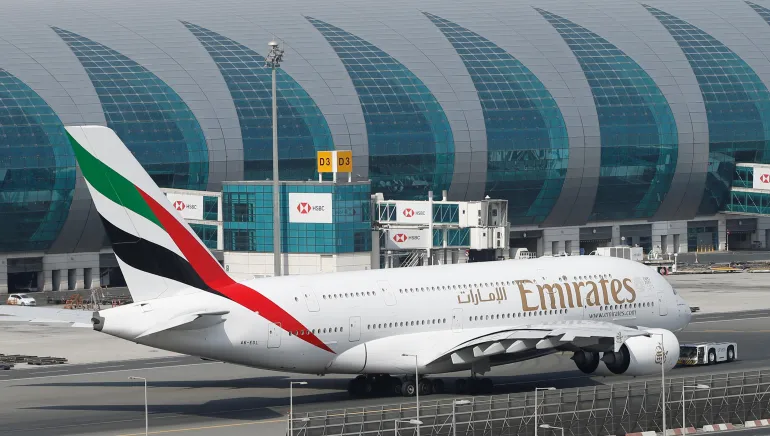
UK Joins US, United Arab Emirates, Israel, and Other Countries in Warning Tourists to Avoid Dubai’s ...
Comprehensive Summarization:
The article reports that the United Kingdom has joined a list of countries, including the United States, United Arab Emirates, Israel, and others, in issuing warnings to their citizens against traveling to Dubai’s popular holiday destinations. This advisory comes amid the ongoing conflict in Iran, which has disrupted air travel, caused an economic downturn, and diminished visitor confidence in the region. The summary captures the main theme of travel advisories due to geopolitical tensions, key developments such as the advisory issued by the UK, and the overall context of how geopolitical events impact travel destinations and tourism confidence.
Key Points:
Actionable Takeaways:
Travel Advisory Impact: Travel advisories issued by countries like the UK can significantly influence tourist decision-making. Businesses in the travel industry should monitor such advisories closely to adjust marketing strategies, offer alternative destinations, or provide reassurance through enhanced safety measures.
Economic Considerations: The disruption in air travel and economic downturn in Dubai highlight the vulnerability of tourism-dependent economies to geopolitical events. Companies in the travel sector should diversify their market offerings and explore regions less affected by such conflicts to mitigate risks.
Enhanced Safety Measures: The advisory underscores the importance of safety in travel planning. Travel agencies and service providers should invest in robust safety protocols and transparent communication with customers to maintain trust and confidence in their services.
Contextual Insights:
The advisory by the UK reflects a growing trend where geopolitical conflicts directly impact travel destinations, leading to travel advisories and potential economic repercussions. This situation is emblematic of the interconnectedness between global politics and the travel industry. As geopolitical tensions rise, the travel sector must adapt by leveraging technology for real-time risk assessment, enhancing customer communication, and exploring alternative markets. Thought leaders emphasize the need for travel companies to be proactive in monitoring geopolitical developments and adjusting their strategies accordingly to ensure resilience and sustainability in the face of such challenges.
Read the Complete Article.
Experience the magic of the Nile aboard Kenzy Dahabeya, a luxury boutique sailing cruise that offers an unforgettable journey between...
Read moreDetails



