










Sail Through Time: Discover the Timeless Wonders of Upper Egypt Aboard Kenzy Dahabeya
Experience the magic of the Nile aboard Kenzy Dahabeya, a luxury boutique sailing cruise that offers an unforgettable journey between...
Read moreDetails
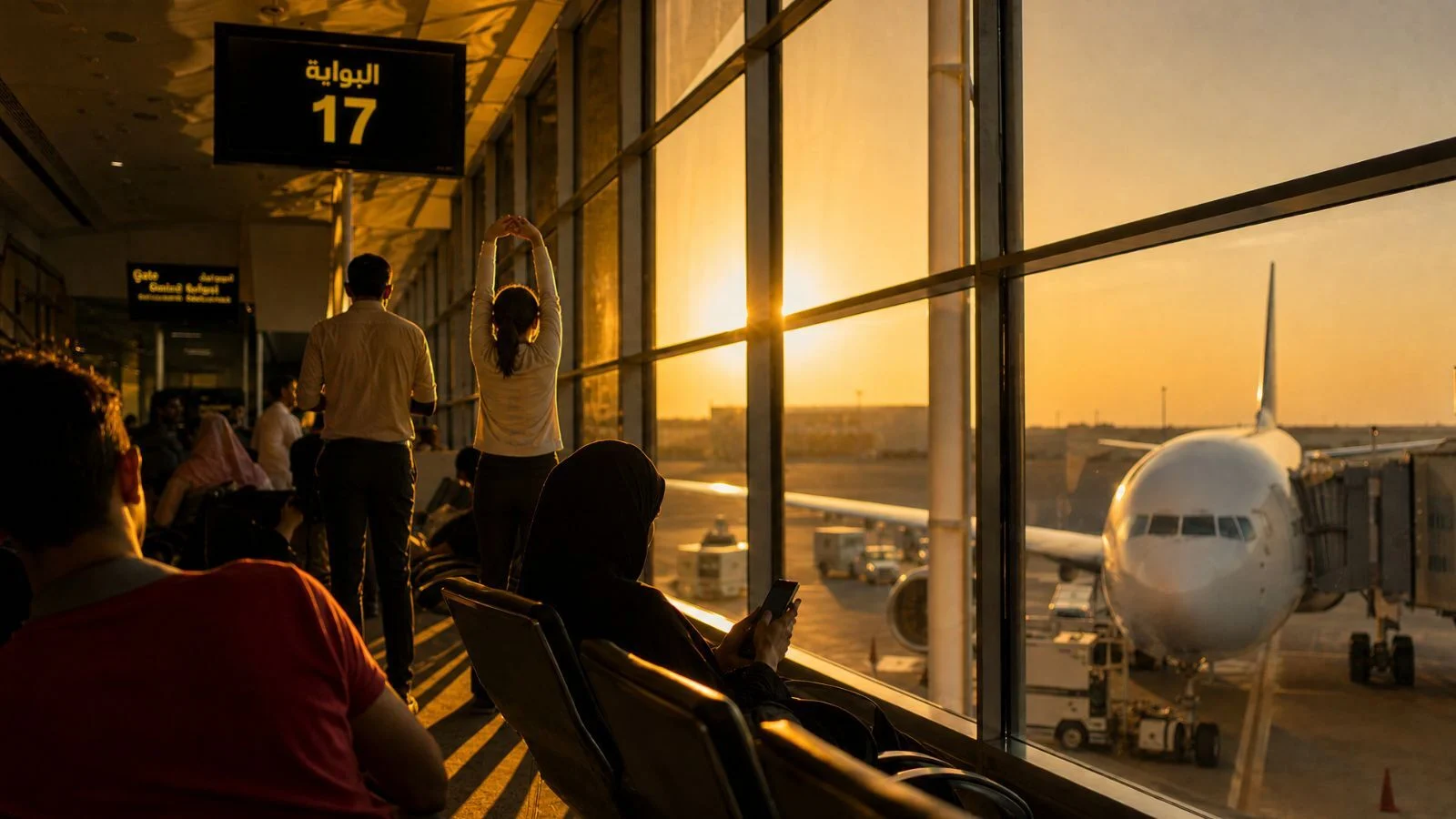
Despite the regional disruption, the UAE’s two largest aviation gateways — Dubai International Airport and Zayed International Airport — continue to operate a reduced but functioning schedule. Pictured above are Saudi and Arab tourists in Dubai for illustrative purposes.
Comprehensive Summarization:
The article highlights the significant role of the Middle East in global travel, accounting for 5% of international arrivals and 14% of international transit traffic. This substantial contribution underscores the region’s pivotal impact on the travel industry, affecting a wide range of sectors including airports, airlines, hotels, car hire companies, and cruise lines. Any disruption in this region could have widespread repercussions, impacting demand globally. The article also touches on the importance of staying abreast of recent travel trends and insights from industry thought leaders to navigate the evolving landscape effectively.
Key Points:
Actionable Takeaways:
Diversification of Travel Markets: Given the Middle East’s significant contribution to global travel, travel companies should consider diversifying their market strategies to mitigate risks associated with regional disruptions. This could involve expanding into other high-potential regions or enhancing services in less affected areas.
Investment in Resilient Infrastructure: The article underscores the importance of robust infrastructure in the travel sector. Companies should invest in resilient infrastructure that can withstand regional disruptions, ensuring continuity of services and minimizing the impact on demand.
Leveraging Travel Trends and Insights: To stay competitive, travel companies should actively engage with travel trends and insights from thought leaders. This includes adopting innovative technologies, enhancing customer experiences, and exploring new market opportunities to capitalize on the evolving travel landscape.
Contextual Insights:
The article’s focus on the Middle East’s substantial role in global travel is particularly relevant in the current context of global travel recovery post-pandemic. As the world gradually returns to pre-pandemic travel patterns, regions like the Middle East are poised to play a crucial role in this recovery. The insights provided align with the broader trend of increased global connectivity and the growing importance of strategic partnerships and collaborations among travel stakeholders. Furthermore, the emphasis on staying informed about travel trends and insights underscores the need for continuous learning and adaptation in the face of rapid industry changes, particularly in the wake of technological advancements and shifting consumer preferences.
Handling Different Article Types:
The article adheres to the structure of a news brief, providing concise factual information about the Middle East’s impact on global travel. For such articles, the summary should focus on capturing the main theme and key developments, while actionable takeaways should offer practical insights for industry professionals. The contextual analysis should integrate the latest travel trends and expert opinions to provide a forward-looking perspective, ensuring the content remains relevant and actionable for a professional audience.
Read the Complete Article.
Experience the magic of the Nile aboard Kenzy Dahabeya, a luxury boutique sailing cruise that offers an unforgettable journey between...
Read moreDetails



