












Article Summary:
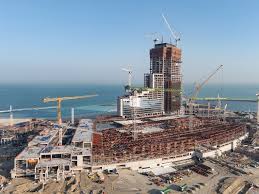
Wynn Resorts (NASDAQ: WYNN) has disclosed that $3.4 billion of the UAE casino hotel’s $5.1 billion budget has been spent or allocated. The company anticipates a surge in tourism, with demand outpacing room supply. Additionally, Wynn estimates that the Wynn Al Marjan Island resort will open in the first quarter of 2027.
Key Points:
- Wynn Resorts has allocated $3.4 billion out of its $5.1 billion budget for the UAE casino hotel.
- The company expects a tourism surge due to high demand outpacing room supply.
- Wynn Al Marjan Island is projected to open in Q1 2027.
Actionable Takeaways:
- Investment in Tourism Infrastructure: Wynn’s substantial budget allocation for the UAE casino hotel indicates a strong confidence in the UAE market’s tourism potential. This investment could serve as a benchmark for other travel companies looking to expand in the region, highlighting the importance of strategic budgeting in tourism development.
- Tourism Demand Forecasting: The observation that demand is outpacing room supply suggests a growing trend in the travel industry towards meeting high demand with adequate supply. Travel companies should focus on predictive analytics and agile supply chain management to capitalize on such demand surges.
- Timing of Market Entry: Wynn’s planned opening of Wynn Al Marjan Island in Q1 2027 indicates a strategic approach to market entry. Companies looking to enter new markets should consider the timing of their launches, aligning with periods of high demand to maximize impact and ROI.
Contextual Insights:
The article reflects the ongoing trend of large-scale investments in tourism infrastructure, particularly in regions with high demand but limited supply. This aligns with broader industry insights that emphasize the importance of strategic market entry and agile supply chain management. The focus on Q1 2027 for Wynn Al Marjan Island’s opening suggests a forward-looking perspective, anticipating favorable conditions in the first quarter of the year. This timing could be influenced by seasonal tourism trends, regulatory considerations, or other market dynamics. For travel startups and fintech innovators, this underscores the potential for technology-driven solutions in demand forecasting, supply chain optimization, and market entry strategies. The emphasis on Q1 2027 also highlights the importance of aligning business timelines with seasonal trends and market readiness.
Read the Complete Article.



