












Article Summary:
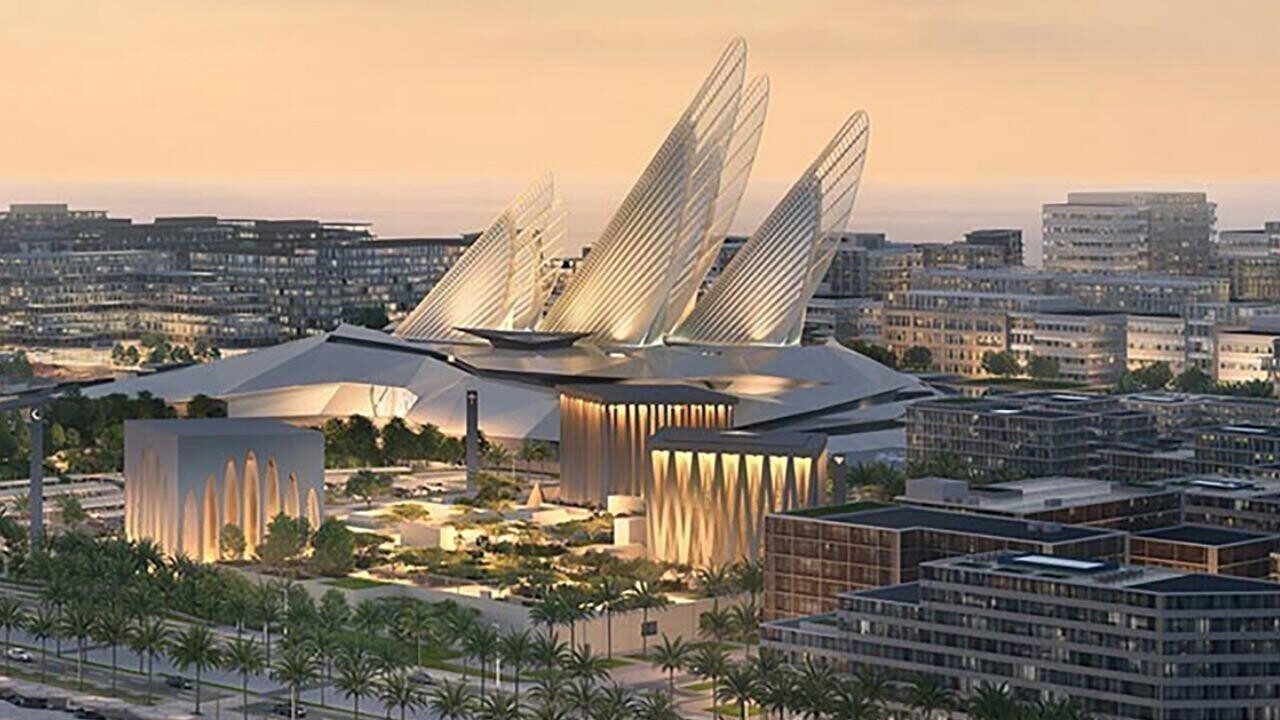
The United Arab Emirates has opened the Zayed National Museum in Abu Dhabi, a significant national institution designed to narrate the story of the federation’s rise and the legacy of Sheikh Zayed bin Sultan Al Nahyan. The museum, located on Saadiyat Island, is housed in a striking structure by British architect Norman Foster. It features over 1,500 objects across six permanent galleries, showcasing the country’s transformation from desert communities to a modern nation. This development underscores the UAE’s commitment to preserving its heritage while embracing its future, marking a pivotal moment in the country’s cultural and historical narrative.
Key Points:
- Opening of Zayed National Museum: The museum, located on Saadiyat Island, is a landmark project designed by Norman Foster, showcasing the UAE’s dedication to preserving and celebrating its history and future.
- Cultural and Historical Significance: The museum houses more than 1,500 objects across six galleries, providing a comprehensive exploration of the UAE’s transformation from desert communities to a modern nation.
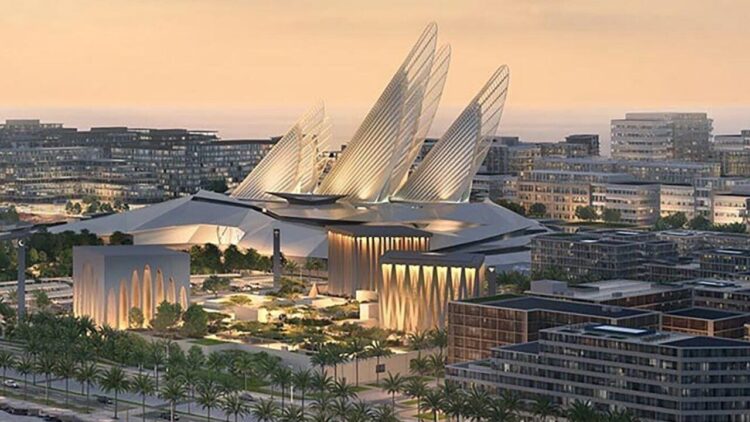
- Architectural Design: The museum’s structure, designed by renowned architect Norman Foster, is described as dramatic, indicating a blend of modernity and cultural significance in its design.
- Commitment to Heritage: The opening of the museum reflects the UAE’s ongoing efforts to integrate its rich heritage with contemporary narratives, appealing to both locals and international visitors.
Actionable Takeaways:
- Cultural Tourism Growth: The opening of the Zayed National Museum presents a significant opportunity for cultural tourism in the UAE. Travel agencies and hospitality businesses should consider developing specialized packages that cater to heritage tourism, leveraging the museum’s offerings to attract international visitors.
- Investment in Heritage Preservation: The UAE’s investment in large-scale cultural projects like the Zayed National Museum signals a trend towards prioritizing heritage preservation. Investors and stakeholders in the travel industry should explore opportunities in supporting similar initiatives, potentially through partnerships or sponsorships, to capitalize on the growing interest in cultural tourism.
- Integration of Technology in Museums: The museum’s design and presentation of artifacts suggest an emphasis on innovative storytelling techniques. Travel tech companies could explore integrating augmented reality (AR) or virtual reality (VR) experiences within museum visits to enhance visitor engagement and provide deeper insights into the exhibits.
Contextual Insights:
The opening of the Zayed National Museum is emblematic of broader trends in the travel industry, particularly the increasing focus on cultural and heritage tourism. As travelers seek authentic and immersive experiences, destinations that offer rich historical narratives, such as the UAE, are likely to see a surge in interest. This aligns with the rise of digital and technological enhancements in museums, which not only enrich the visitor experience but also attract tech-savvy tourists. Furthermore, the UAE’s commitment to blending its past with futuristic designs reflects a global shift towards sustainable and forward-thinking tourism models. Stakeholders in the travel sector should anticipate a continued emphasis on cultural preservation and technological integration, presenting opportunities for innovation and collaboration within the industry.
Read the Complete Article.



