












Sail Through Time: Discover the Timeless Wonders of Upper Egypt Aboard Kenzy Dahabeya
Experience the magic of the Nile aboard Kenzy Dahabeya, a luxury boutique sailing cruise that offers an unforgettable journey between...
Read moreDetails
Article Summary:
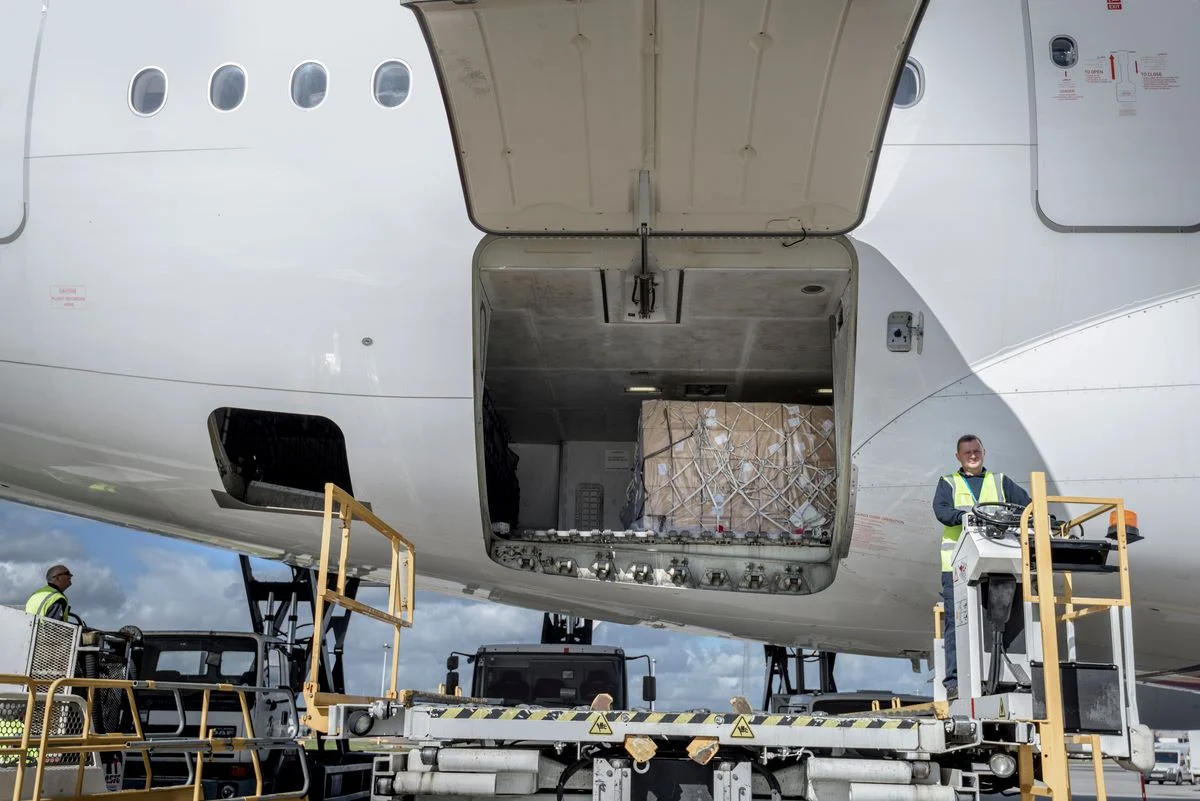
The International Air Transport Association (IATA) reported a 5.5% increase in global air cargo demand for November 2025, driven by shippers prioritizing timely deliveries ahead of the year-end holiday season. This growth was observed across all major regions, with the Asia-Pacific region showing the highest demand increase at 10.3%. Capacity also saw a 4.7% increase, with the Middle East leading in capacity growth at 11.0%. Factors contributing to this growth include strong emerging market demand, selective growth in the Middle East, and resilience in the fourth quarter despite challenges such as rising jet fuel prices and tariff adjustments. The article also highlights regional performance, with Africa experiencing the strongest demand increase at 15.6%, and within-region performance, with Within Asia seeing the highest year-on-year growth at 15.8%.
Key Points:
Actionable Takeaways:
Invest in Regional Air Cargo Networks: Given the significant demand growth in the Asia-Pacific region (10.3%) and the Middle East (11.0%), airlines and logistics providers should consider expanding their air cargo networks in these regions to capitalize on the growing demand. This could involve strategic partnerships, fleet expansions, or investments in new routes to meet the rising demand efficiently.
Monitor Jet Fuel Price Trends: The article notes that jet fuel prices rose by 5.9% in November despite falling crude prices. Airlines and logistics companies should closely monitor fuel price trends and consider hedging strategies to mitigate the impact on operational costs. This is particularly relevant for companies operating in regions with high fuel price volatility, such as North America and Europe.
Leverage Technology for Load Factor Optimization: The article defines Cargo Load Factor (CLF) as the percentage of available cargo tonne-kilometres used. With CLF levels varying across regions, airlines can optimize their operations by focusing on improving load factors in regions with lower utilization, such as North America (-4.9% year-on-year decline). Implementing technology-driven solutions for better cargo handling and space optimization can help improve load factors and enhance profitability.
Contextual Insights:
The article reflects the ongoing resilience of the air cargo industry despite global challenges such as rising fuel prices and tariff adjustments. The strong performance in the Asia-Pacific and Middle East regions highlights the growing importance of these markets in the global air cargo landscape. The decline in load factors for North American carriers suggests potential inefficiencies that could be addressed through operational improvements and technological innovations. As the industry enters the new year, strategic investments in regional networks and technological advancements will be crucial for sustaining growth and maintaining competitive advantage.
Read the Complete Article.
Experience the magic of the Nile aboard Kenzy Dahabeya, a luxury boutique sailing cruise that offers an unforgettable journey between...
Read moreDetails



