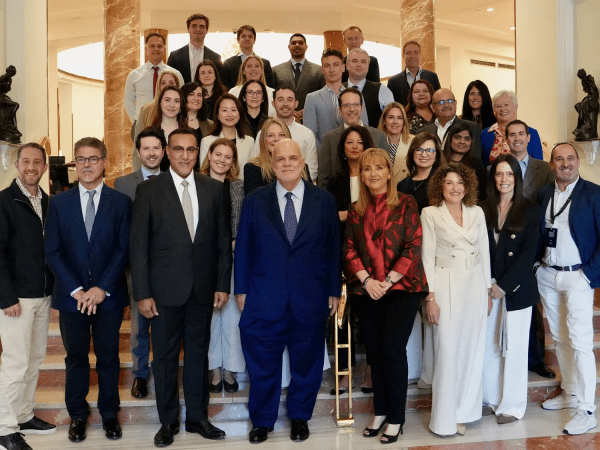
WTTC Announces Investindustrial as New Global Member
Comprehensive Summarization: The World Travel & Tourism Council (WTTC) has recently welcomed Investindustrial as its newest Global Member. This move...
Read moreDetails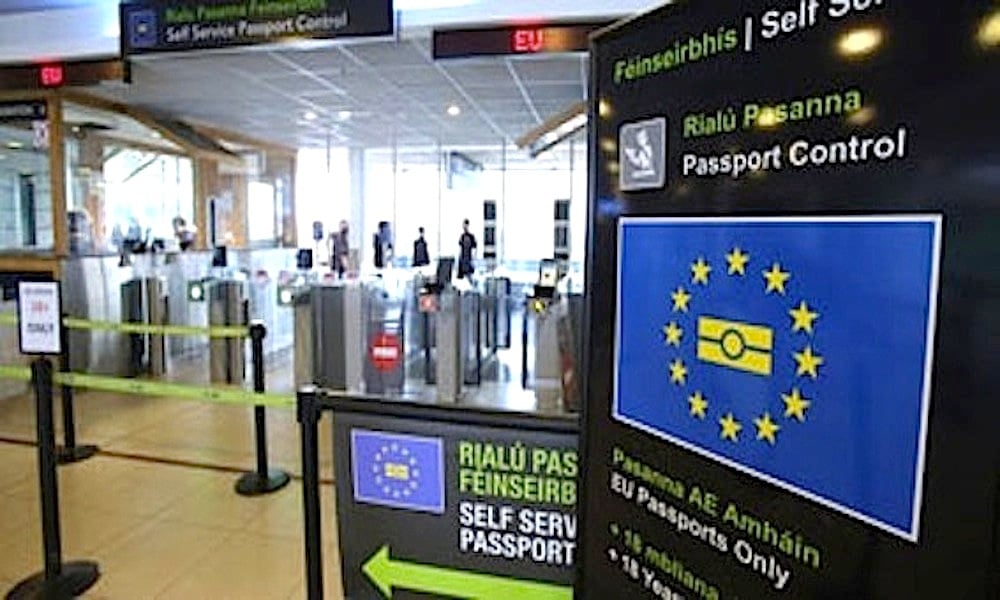
ESTA Visa Changes May Reduce Travel to USA, WTTC Warns
Comprehensive Summarization:
The article discusses a new study by the World Travel & Tourism Council (WTTC) that warns of potential negative impacts on the U.S. travel and tourism industry due to proposed changes in the ESTA (Electronic System for Travel Authorization) program. The study, based on a multi-country survey of travelers across ESTA-eligible markets, suggests that these changes could lead to a reduction in international travel demand, potentially resulting in the loss of up to 157,000 jobs. This loss would be equivalent to the number of jobs typically created in one quarter in the U.S. economy. The article emphasizes the importance of understanding these developments in the context of current travel trends and industry insights.
Key Points:
Actionable Takeaways:
Mitigate Social Media Disclosure Requirements: Travel businesses and service providers should closely monitor the developments in the ESTA program and consider strategies to mitigate the impact of wider social media disclosure requirements. This could include enhancing their online presence, improving customer communication strategies, and ensuring compliance with any new regulations to maintain customer trust and engagement.
Focus on Customer Experience and Safety: Given the potential reduction in international travel demand, travel companies should prioritize enhancing customer experience and safety measures. This could involve investing in technology to streamline travel processes, offering personalized travel solutions, and ensuring robust health and safety protocols to reassure travelers and encourage bookings.
Leverage Data and Insights: The study provides valuable insights into traveler behavior and preferences. Travel businesses should leverage this data to tailor their offerings, marketing strategies, and customer engagement efforts. By understanding the specific concerns and expectations of travelers, companies can better position themselves to meet market demands and adapt to regulatory changes.
Contextual Insights:
The proposed changes to the ESTA program reflect broader trends in the travel industry towards increased regulatory scrutiny and the need for enhanced security measures. As international travel continues to recover from the impacts of the COVID-19 pandemic, governments and regulatory bodies are likely to impose stricter requirements to ensure safety and security. The WTTC’s research highlights the delicate balance that travel businesses must strike between compliance and maintaining customer appeal. In this context, leveraging data-driven insights to understand traveler needs and preferences becomes crucial. By focusing on customer experience, safety, and regulatory compliance, travel companies can navigate these challenges and position themselves for sustained growth in a competitive market. The insights from thought leaders underscore the importance of adaptability and innovation in the face of evolving regulatory landscapes and shifting consumer expectations.
Read the Complete Article.
Comprehensive Summarization: The World Travel & Tourism Council (WTTC) has recently welcomed Investindustrial as its newest Global Member. This move...
Read moreDetailsExperience the magic of the Nile aboard Kenzy Dahabeya, a luxury boutique sailing cruise that offers an unforgettable journey between...
Read moreDetails