





![[PRNewswire] Agoda Unveils Agoda Partner Portal](https://images.traveltrade.today/wp-content/uploads/2026/08/Agoda-unveils-new-Agoda-Partner-Portal-for-travel-partners.jpg)


Sail Through Time: Discover the Timeless Wonders of Upper Egypt Aboard Kenzy Dahabeya
Experience the magic of the Nile aboard Kenzy Dahabeya, a luxury boutique sailing cruise that offers an unforgettable journey between...
Read moreDetails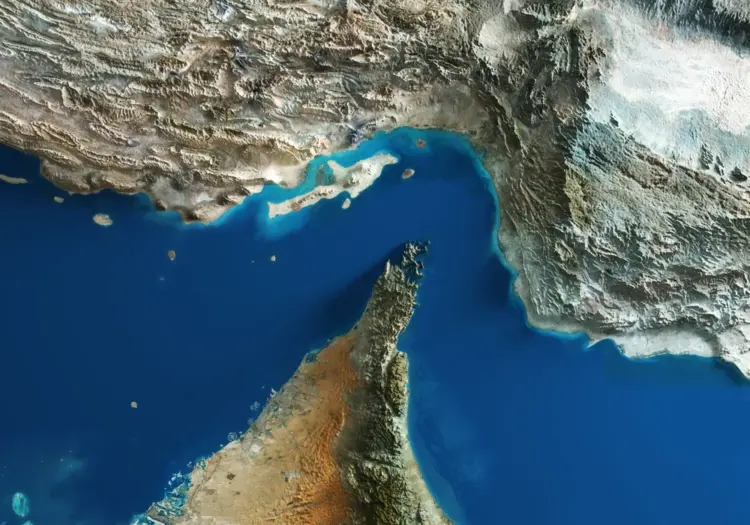
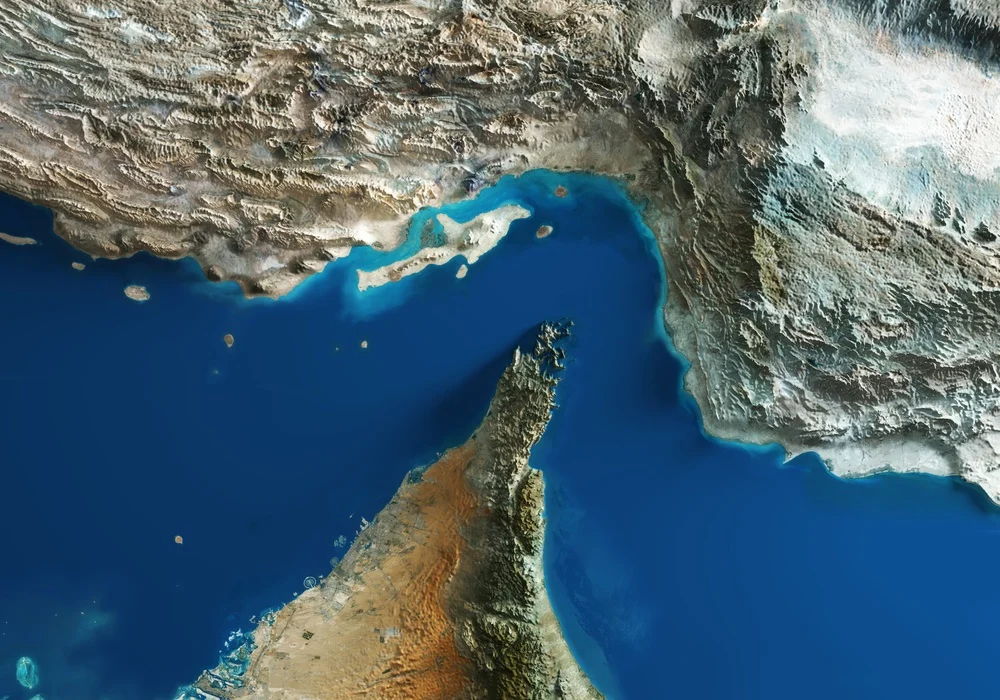
WTTC supports Iran's reopening of Strait of Hormuz
Comprehensive Summarization:
The World Travel & Tourism Council (WTTC) has expressed its support for Iran’s decision to reopen the Strait of Hormuz to commercial traffic. This move is viewed as a significant step in restoring confidence in global travel and tourism, as well as the broader economy. Gloria Guevara, President and CEO of WTTC, emphasized the importance of the Strait, describing it as one of the world’s most crucial maritime corridors. It supports energy supply chains, aviation, cruise operations, and more. The article also touches on the latest travel trends and insights from thought leaders, highlighting the ongoing evolution of the travel industry.
Key Points:
Actionable Takeaways:
Reopening of the Strait of Hormuz: This move is expected to positively impact global trade and tourism by restoring confidence in international travel. It highlights the Strait’s critical role in energy supply chains and other sectors, suggesting that its reopening could lead to increased economic activity and stability in the travel industry.
Importance of Maritime Corridors: The emphasis on the Strait of Hormuz as a vital maritime corridor underscores the interconnectedness of global supply chains. This insight suggests that disruptions in such corridors can have far-reaching effects on the travel and tourism industry, making it crucial for stakeholders to monitor and adapt to changes in maritime routes.
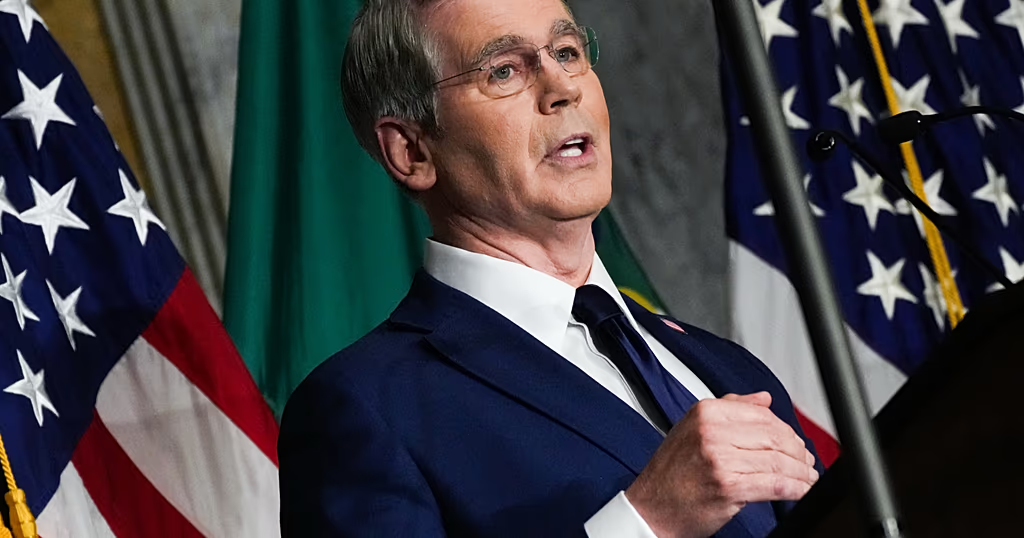
Influence of Thought Leaders: The inclusion of insights from WTTC’s President and CEO, Gloria Guevara, adds credibility to the article’s claims. Her perspective as a thought leader in the travel industry provides a forward-looking view, suggesting that such strategic decisions by countries can have significant ripple effects on the global economy and travel sector.
Contextual Understanding:
The article’s context is deeply rooted in the current geopolitical landscape and its implications for the travel industry. The reopening of the Strait of Hormuz is a significant geopolitical event that can influence global trade routes and economic stability. The emphasis on the Strait’s role in supporting energy supply chains, aviation, and cruise operations highlights the interconnected nature of modern economies. The inclusion of insights from WTTC’s President and CEO adds a layer of expert analysis, suggesting that such strategic decisions can have broader economic implications. Understanding these dynamics is crucial for professionals in the travel industry to anticipate and adapt to changes in the market.
Handling Different Article Types:
The article falls under the category of a news brief, providing factual information about a significant development in the travel industry. It does not present an opinion piece or a feature article, so the analysis focuses on factual reporting and actionable insights. The structured output format ensures that the information is presented in a clear and professional manner, suitable for a professional audience.
markdown
Comprehensive Summarization:
The WTTC supports Iran’s decision to reopen the Strait of Hormuz to commercial traffic, viewing it as a crucial step in restoring confidence in global travel and tourism. The Strait is described as one of the world’s most important maritime corridors, supporting energy supply chains, aviation, cruise operations, and more.
Key Points:
Actionable Takeaways:
Contextual Insights:
The article’s context is deeply rooted in the current geopolitical landscape and its implications for the travel industry. The reopening of the Strait of Hormuz is a significant geopolitical event that can influence global trade routes and economic stability. The emphasis on the Strait’s role in supporting energy supply chains, aviation, and cruise operations highlights the interconnected nature of modern economies. Understanding these dynamics is crucial for professionals in the travel industry to anticipate and adapt to changes in the market.
Read the Complete Article.
Experience the magic of the Nile aboard Kenzy Dahabeya, a luxury boutique sailing cruise that offers an unforgettable journey between...
Read moreDetails



