





![[PRNewswire] Agoda Unveils Agoda Partner Portal](https://images.traveltrade.today/wp-content/uploads/2026/08/Agoda-unveils-new-Agoda-Partner-Portal-for-travel-partners.jpg)


Sail Through Time: Discover the Timeless Wonders of Upper Egypt Aboard Kenzy Dahabeya
Experience the magic of the Nile aboard Kenzy Dahabeya, a luxury boutique sailing cruise that offers an unforgettable journey between...
Read moreDetails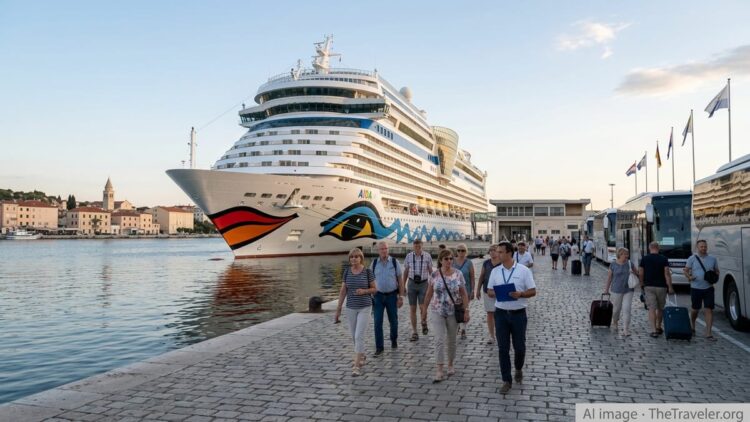
WTTC Report Spotlights Cruise Tourism’s Global Impact
Comprehensive Summarization:
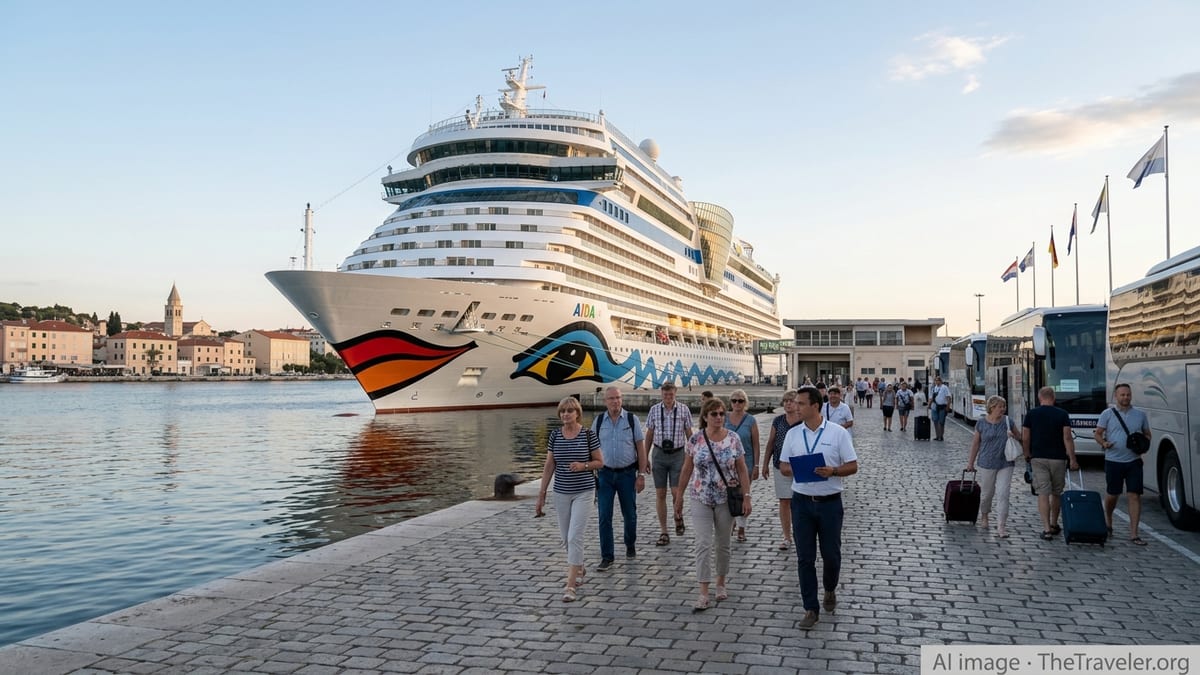
The World Travel & Tourism Council (WTTC) has unveiled a new report titled “Cruising for Impact,” which highlights the transformative role of cruise tourism in reshaping coastal economies globally. The report underscores the significant economic contribution of cruise tourism, with billions in economic output and a substantial increase in employment. A key highlight is the projected 19 percent rise in passenger capacity between 2022 and 2028, indicating a robust growth trajectory for the sector. The article emphasizes the innovative strides being made in cruise tourism, positioning it as a pivotal force in the travel industry’s economic landscape.
Key Points:
Actionable Takeaways:
Contextual Insights:
The rise of cruise tourism, as detailed in the WTTC report, reflects broader trends in the travel industry towards experiential and global travel experiences. This growth is particularly notable in the wake of post-pandemic recovery efforts, where consumers are increasingly seeking safe and immersive travel options. The focus on passenger capacity growth indicates a strategic shift towards expanding service offerings and enhancing onboard experiences. For travel startups and fintech innovators, this presents an opportunity to develop solutions that support the operational scalability of cruise lines, such as digital payment systems, personalized travel packages, and sustainable tourism initiatives. By aligning with these industry trends, startups can position themselves at the forefront of the evolving cruise tourism landscape, contributing to both economic growth and sustainable travel practices.
Read the Complete Article.
Experience the magic of the Nile aboard Kenzy Dahabeya, a luxury boutique sailing cruise that offers an unforgettable journey between...
Read moreDetails



