












Comprehensive Summarization:
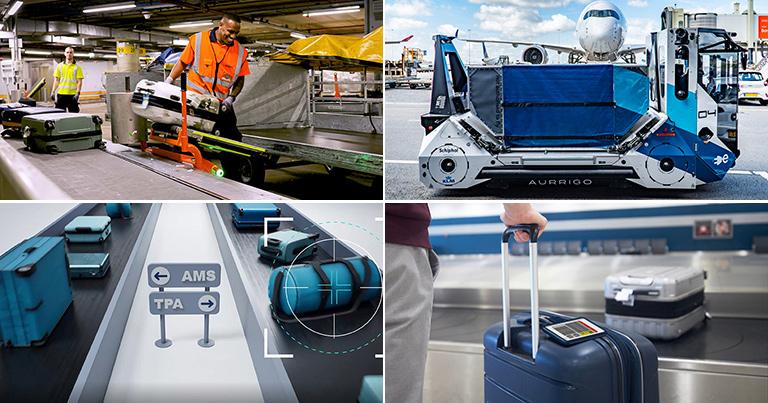
The article discusses the transformative phase the baggage domain is entering within the travel industry. As passenger volumes continue to rise, airports and airlines are reevaluating their traditional operating models and adopting smarter, more scalable solutions. Technologies such as robotic loading aids, autonomous vehicles, and advanced bag tagging and tracking systems are transitioning from pilot projects to mainstream practice. These innovations promise significant gains in efficiency, resilience, and operational scalability, marking a pivotal shift in how baggage handling is managed in the aviation sector.
Key Points:
- The baggage domain is undergoing a significant transformation due to rising passenger volumes.
- Traditional operating models are being rethought, with a shift towards smarter, scalable solutions.
- Technologies like robotic loading aids, autonomous vehicles, and advanced bag tagging/tracking systems are moving from pilots to practice.
- These technological advancements promise gains in efficiency, resilience, and operational scalability.
Actionable Takeaways:
-
Adoption of Advanced Technologies: Airlines and airports should prioritize the adoption of robotic loading aids, autonomous vehicles, and advanced bag tagging/tracking systems. These technologies can significantly enhance operational efficiency and resilience, providing a competitive edge in the rapidly evolving travel industry.
-
Investment in Scalable Solutions: Given the increasing passenger volumes, there is a clear need for airports and airlines to invest in scalable solutions. This investment will not only improve baggage handling processes but also contribute to the overall resilience of the aviation sector, ensuring it can handle future growth effectively.
Contextual Insights:
The article reflects the ongoing trend of technological integration in the travel industry, particularly in the baggage handling domain. As passenger numbers continue to surge, the industry is witnessing a shift towards more automated and efficient systems. This transformation is not just about improving baggage handling; it’s about enhancing the entire travel experience by ensuring baggage is managed accurately and efficiently. The adoption of advanced technologies like robotics and autonomous vehicles is a direct response to the growing demands of the industry, showcasing a forward-thinking approach to operational challenges. For travel startups and fintech innovators, this trend presents opportunities in developing solutions that complement these technological advancements, such as apps for tracking baggage in real-time or platforms that optimize logistics for airlines and airports. The focus on efficiency and resilience in baggage handling is indicative of broader industry trends towards digital transformation and operational excellence.
Read the Complete Article.


