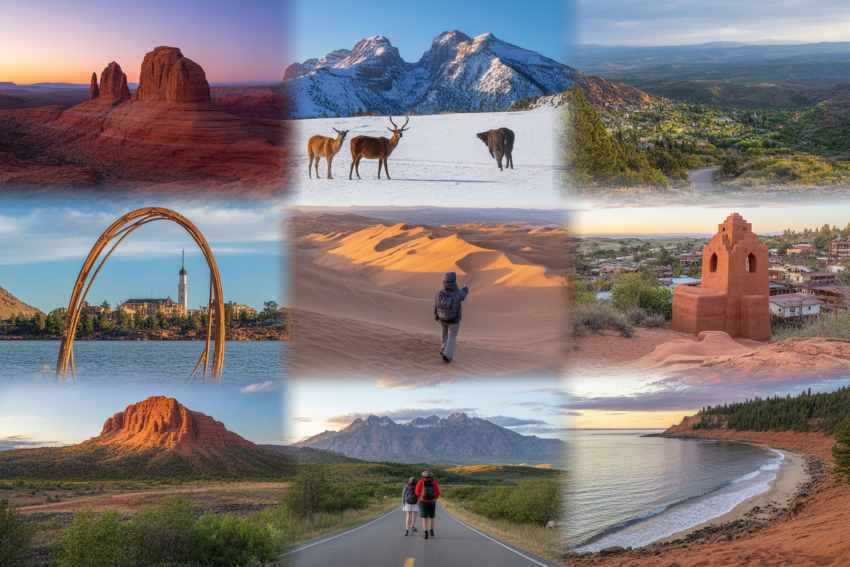














Comprehensive Summarization:
The article highlights Arizona, Wyoming, North Carolina, Utah, Florida, Colorado, New Mexico, and Hawaii as the top destinations for dry tourism in 2026. These locations are ideal for travelers seeking alcohol-free, wellness-focused vacations. The concept of dry tourism, which emphasizes alcohol-free environments and wellness activities, is gaining traction as a significant trend in the travel industry. The article underscores the appeal of these destinations for those looking to engage in activities such as yoga, meditation, and other wellness-focused experiences without the distractions of alcohol.
Key Points:
- Dry Tourism Destinations: Arizona, Wyoming, North Carolina, Utah, Florida, Colorado, New Mexico, and Hawaii are identified as the leading destinations for dry tourism in 2026.
- Wellness-Focused Vacations: These destinations are highlighted for their appeal to travelers seeking alcohol-free, wellness-focused vacations, emphasizing activities like yoga and meditation.
- Emerging Travel Trend: The article positions dry tourism as a growing trend in the travel industry, catering to a segment of travelers who prioritize wellness and alcohol-free environments.
Actionable Takeaways:
- Invest in Wellness-Focused Travel Experiences: Travel companies and destinations should consider developing and promoting wellness-focused travel packages, particularly in the identified states. This could include partnerships with wellness centers, yoga retreats, and meditation workshops, tapping into the growing demand for alcohol-free, health-conscious travel experiences.
- Leverage Technology for Wellness Tourism: Innovations in travel tech, such as apps that offer wellness activities, virtual tours, and personalized wellness itineraries, could enhance the appeal of these destinations. Travel startups focusing on technology solutions for wellness tourism could gain a competitive edge by catering to this niche market.
- Market Dry Tourism to Wellness Travelers: Travel agencies and tourism boards should target wellness travelers by highlighting the alcohol-free and wellness aspects of these destinations. Marketing campaigns could emphasize the unique selling points of these locations, such as serene environments, holistic wellness activities, and a focus on mental and physical well-being.
Contextual Insights:
The rise of dry tourism aligns with broader trends in the travel industry towards wellness and mindfulness. Recent events and market conditions have shown an increased interest in health-focused travel, with travelers increasingly seeking destinations that offer both relaxation and wellness opportunities. Technological advancements, such as travel apps and virtual experiences, are also playing a significant role in shaping the travel landscape, allowing travelers to explore wellness activities remotely and plan their trips more effectively. The inclusion of Hawaii, Florida, and New Mexico in the list of dry tourism destinations reflects a growing recognition of these states as viable alternatives for travelers looking for alcohol-free environments, potentially driven by changing social attitudes towards alcohol consumption during travel. This shift presents opportunities for travel startups and fintech companies to innovate in areas such as wellness-focused travel financing, digital booking platforms, and personalized travel planning services.
Read the Complete Article.


