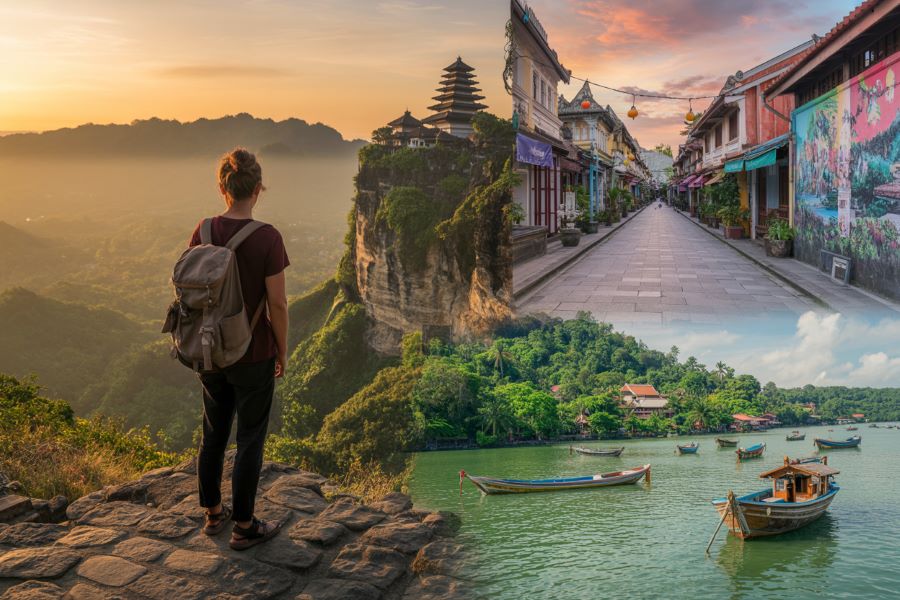














Article Summary:
Hilton’s 2025 Travel Trends Report highlights a growing trend of nostalgia-driven travel, with 58% of global travelers revisiting childhood destinations. This trend is evident in Indonesia, which joins Thailand, Singapore, and Vietnam in the report, indicating a resurgence of interest in timeless Southeast Asian destinations. The article underscores how the desire to experience old destinations in new ways is reshaping travel preferences, reflecting broader shifts in the travel industry.
Key Points:
- Hilton’s 2025 Travel Trends Report identifies nostalgia as a significant driver in travel preferences.
- 58% of global travelers are revisiting childhood destinations, indicating a strong pull towards familiar yet culturally rich locations.
- Indonesia is among the destinations highlighted in the report, joining Thailand, Singapore, and Vietnam, showcasing a regional trend towards rediscovering Southeast Asia’s timeless attractions.
- The trend reflects a broader shift in travel behavior, emphasizing experiences that evoke nostalgia and a sense of discovery.
Actionable Takeaways:
-
Target Nostalgic Travelers: Travel companies should develop marketing strategies that emphasize nostalgic travel experiences, particularly in regions like Southeast Asia. This could include themed tours, heritage site tours, and partnerships with local cultural institutions to create authentic nostalgic experiences.
- Relevance and Impact: By catering to the nostalgia-driven trend, travel companies can attract a larger segment of travelers seeking meaningful and culturally rich experiences, potentially increasing bookings and customer loyalty.
-
Leverage Regional Destinations: Given the inclusion of Indonesia alongside Thailand, Singapore, and Vietnam, there is an opportunity for travel agencies and destinations to promote these regions as timeless travel destinations. Highlighting unique cultural heritage and historical sites can attract travelers looking to rediscover these areas.
- Relevance and Impact: Focusing on these regions can help boost tourism revenues and promote cultural heritage preservation, as travelers become more interested in exploring destinations that offer a blend of nostalgia and cultural depth.
- Integrate Technology for Enhanced Experiences: Utilize travel tech to enhance nostalgic travel experiences. This could involve virtual reality tours of historical sites, augmented reality guides for landmarks, or mobile apps that provide personalized nostalgic travel itineraries.
- Relevance and Impact: Integrating technology can enhance the travel experience, making it more engaging and personalized for nostalgia-driven travelers. This approach can also differentiate travel offerings in a competitive market, attracting tech-savvy tourists looking for innovative experiences.
Contextual Insights:
The resurgence of nostalgia in travel aligns with broader industry trends towards experiential tourism, where travelers seek meaningful and emotionally resonant experiences. The report’s focus on revisiting childhood destinations suggests a generational shift, where younger travelers are increasingly drawn to destinations that offer a sense of familiarity and cultural richness. This trend is supported by thought leaders who emphasize the importance of storytelling in travel, where destinations are not just visited but experienced through the lens of personal memories and cultural heritage.
Moreover, the inclusion of Indonesia in the report highlights the growing appeal of Southeast Asia as a region for nostalgic travel. As travel evolves, the integration of technology and regional expertise will be crucial in crafting experiences that resonate with travelers seeking nostalgia. This forward-looking perspective underscores the potential for innovation in travel planning and marketing, particularly in leveraging digital tools to enhance the nostalgic travel experience.
Read the Complete Article.



