












Comprehensive Summarization:
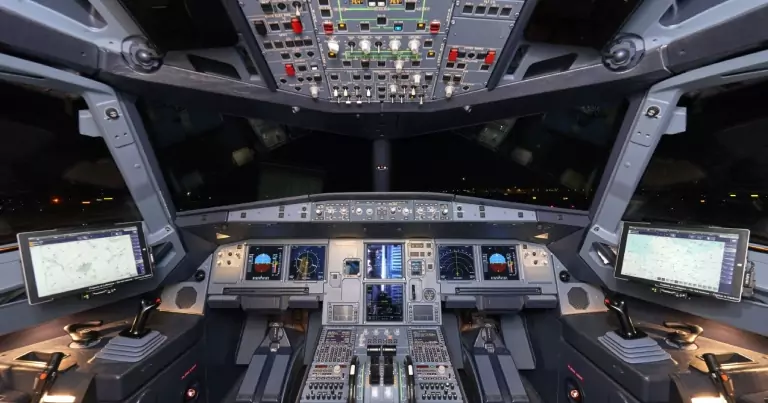
Lufthansa has introduced IATA Turbulence Aware technology, a system designed to provide pilots with real-time, anonymized turbulence data from participating airlines. This innovation aims to enhance passenger comfort, improve flight safety, and support more accurate long-term weather forecasts. The technology is currently being rolled out, with Swiss International Air Lines and Edelweiss Air participating in the initial phase. This development represents a significant advancement in aviation technology, focusing on safety and operational efficiency in the travel industry.
Key Points:
- Lufthansa is implementing IATA Turbulence Aware technology to offer pilots real-time, anonymized turbulence data.
- The technology involves collaboration with Swiss International Air Lines and Edelweiss Air, among other participating airlines.
- The primary objectives of this technology are to enhance passenger comfort, improve flight safety, and contribute to more accurate long-term weather forecasting.
- The introduction of this technology signifies a step forward in aviation safety and operational efficiency.
Actionable Takeaways:
-
Enhanced Safety Measures: The implementation of IATA Turbulence Aware technology is expected to significantly improve flight safety by providing pilots with real-time data on turbulence. This can lead to more informed decision-making during flights, reducing the risk of turbulence-related incidents. Relevance: Directly impacts aviation safety and operational protocols in the travel industry.
-
Improved Passenger Comfort: By reducing the impact of turbulence, this technology can lead to a more comfortable flying experience for passengers. This is particularly important for airlines aiming to maintain high standards of service and customer satisfaction. Relevance: Directly enhances the passenger experience, a key factor in competitive advantage within the travel sector.
-
Long-term Weather Forecasting: The technology supports more accurate long-term weather forecasts, which can aid airlines in planning routes and schedules more effectively. This can lead to cost savings and improved operational efficiency. Relevance: Contributes to better route planning and resource management, aligning with broader industry trends towards data-driven decision-making.
Contextual Insights:
The introduction of IATA Turbulence Aware technology by Lufthansa reflects a broader trend in the travel industry towards leveraging advanced technologies to enhance safety, efficiency, and passenger experience. This aligns with the growing emphasis on data-driven decision-making across the industry, as exemplified by the increasing adoption of AI and machine learning in aviation. Furthermore, the collaboration between major airlines like Lufthansa, Swiss International Air Lines, and Edelweiss Air underscores the collaborative nature of technological advancements in the sector. As the travel industry continues to evolve, innovations like this are likely to become more prevalent, driving improvements in safety, comfort, and operational efficiency. The focus on real-time data and anonymization also highlights the industry’s commitment to privacy and data security, addressing key concerns of both airlines and passengers.
Read the Complete Article.


