









Sail Through Time: Discover the Timeless Wonders of Upper Egypt Aboard Kenzy Dahabeya
Experience the magic of the Nile aboard Kenzy Dahabeya, a luxury boutique sailing cruise that offers an unforgettable journey between...
Read moreDetails
Growth in the World’s Second-Fastest Growing Market
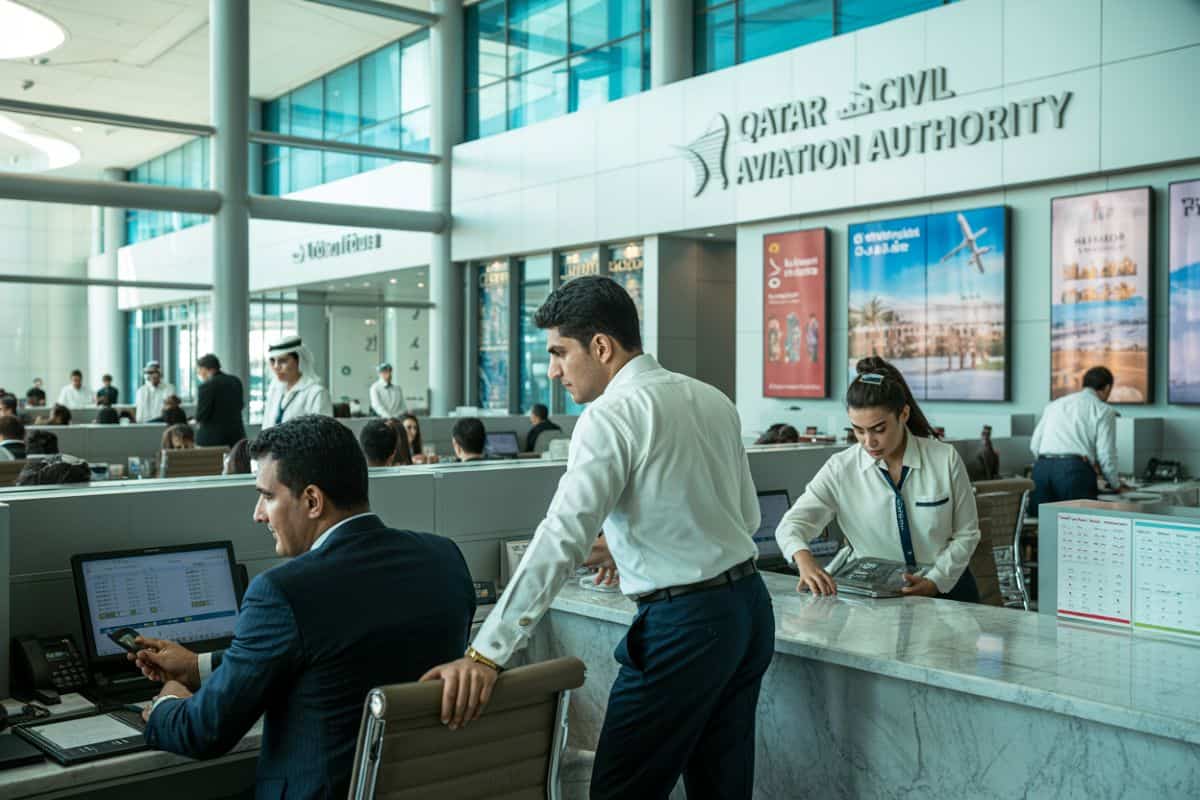
The Middle East’s aviation sector is experiencing significant growth, positioning itself as the world’s second-fastest-growing market. Propelled by ambitious national visions and strategic investments in infrastructure, several countries in the region are vying for global aviation dominance. The United Arab Emirates (UAE) and Saudi Arabia are at the forefront, leading in seat capacity and demonstrating substantial increases compared to pre-pandemic levels.
Saudi Arabia’s aviation sector is undergoing a massive transformation, fueled by the Kingdom’s Vision 2030 plan. This includes establishing new airlines, building new airports, and significantly increasing seat capacity to attract international tourists and businesses. This expansion aims to diversify the Saudi economy and reduce its reliance on oil.
The UAE continues to be a major player, leveraging its strategic location and world-class airports like Dubai International (DXB) to connect global travelers. The growth of airlines such as Emirates and Etihad Airways is instrumental in this success, offering extensive networks and premium services.
Qatar is also contributing to the region’s aviation boom, supported by its own national airline, Qatar Airways, and its role as a major hub for international flights. Other countries in the region, including Oman, Bahrain, and Kuwait, are strategically developing their aviation infrastructure to capitalize on the growing demand for air travel.
This surge in aviation activity is not without its challenges. Airports need to manage increased passenger volumes, airlines face competition for talent, and sustainability concerns are becoming increasingly important. However, the Middle East is investing in sustainable aviation practices to mitigate environmental impact.
Overall, the Middle East’s aviation sector is dynamic and rapidly evolving. With ambitious expansion plans and strategic investments, the region is poised to become an even more significant hub for global air travel, connecting East and West, and driving economic growth. Explore the driving forces behind this growth and the future outlook for Middle Eastern aviation.
Key Points:
Read the Complete Article.
Experience the magic of the Nile aboard Kenzy Dahabeya, a luxury boutique sailing cruise that offers an unforgettable journey between...
Read moreDetails



