












Comprehensive Summarization:
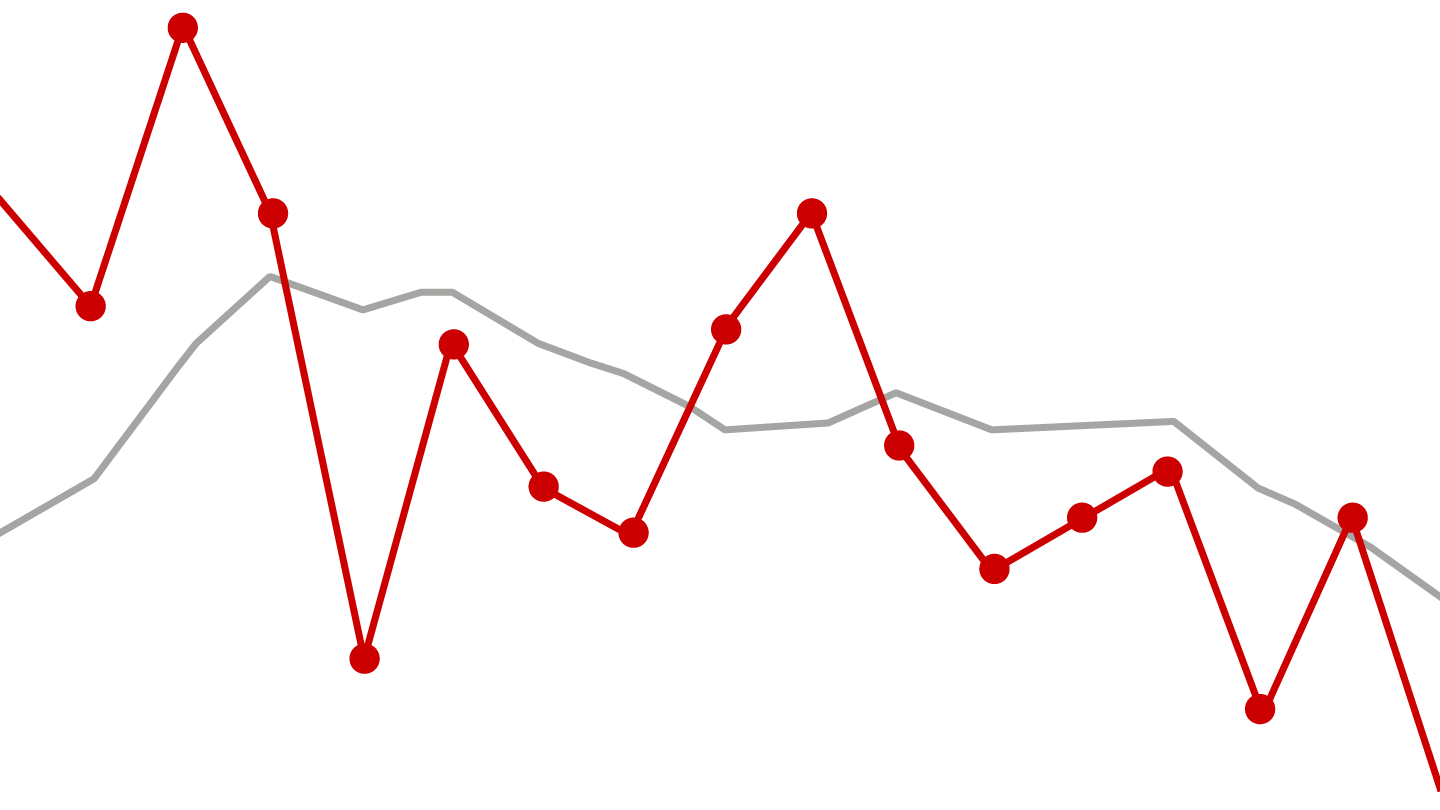
The article discusses the recent decline in the Bain/Dynata Consumer Health Indexes (CHI) composite outlook measure for April, indicating that consumers are signaling a deterioration in spending plans. This trend is particularly pronounced among lower- and middle-income earners, who are planning to maintain spending through increased reliance on debt, a strategy that is not sustainable in the long term. On the other hand, the outlook score for the upper-income group has fallen into negative territory. The article also touches on the broader implications of these consumer trends for the travel industry, highlighting the need for operators to adapt to changing consumer behaviors and financial constraints.
Key Points:
- The CHI composite outlook measure fell in April, reflecting consumer deterioration in spending plans.
- Lower- and middle-income earners are planning to maintain spending through increased reliance on debt, which is unsustainable over the long term.
- The upper-income outlook score has fallen into negative territory.
- The article emphasizes the need for business operators and members of the press to understand these consumer trends for strategic planning in the travel industry.
Actionable Takeaways:
-
Adaptation to Consumer Spending Patterns: Travel operators should adapt their pricing and promotional strategies to accommodate consumers who are increasingly relying on debt for spending. This could involve offering flexible payment options or discounts for early payments to mitigate the impact of rising consumer debt.
-
Focus on High-Income Segment: Given the negative outlook score for the upper-income group, there is an opportunity for travel businesses to target this segment with premium services or exclusive experiences that justify higher spending. This could involve creating luxury travel packages or personalized travel experiences that cater to the preferences of affluent consumers.
-
Innovation in Financial Solutions: The reliance on debt by lower- and middle-income earners highlights a potential gap in financial solutions within the travel industry. Developing innovative financial products, such as travel credit lines or installment plans with favorable terms, could help these consumers manage their travel expenses more effectively, thereby boosting the travel sector’s revenue.
Contextual Insights:
The decline in consumer spending plans, as indicated by the CHI composite outlook measure, underscores a broader economic trend affecting the travel industry. As consumers tighten their belts, businesses must pivot to meet these changing dynamics. The shift in consumer behavior towards debt for spending, particularly among lower- and middle-income earners, signals a need for more flexible and accessible financial solutions within the travel sector. This trend also presents an opportunity for travel startups and fintech companies to innovate in areas such as travel financing, thereby tapping into a growing market segment. By aligning their strategies with these insights, travel businesses can not only survive but thrive in the face of evolving consumer preferences and economic conditions.
Read the Complete Article.


