












Comprehensive Summarization:
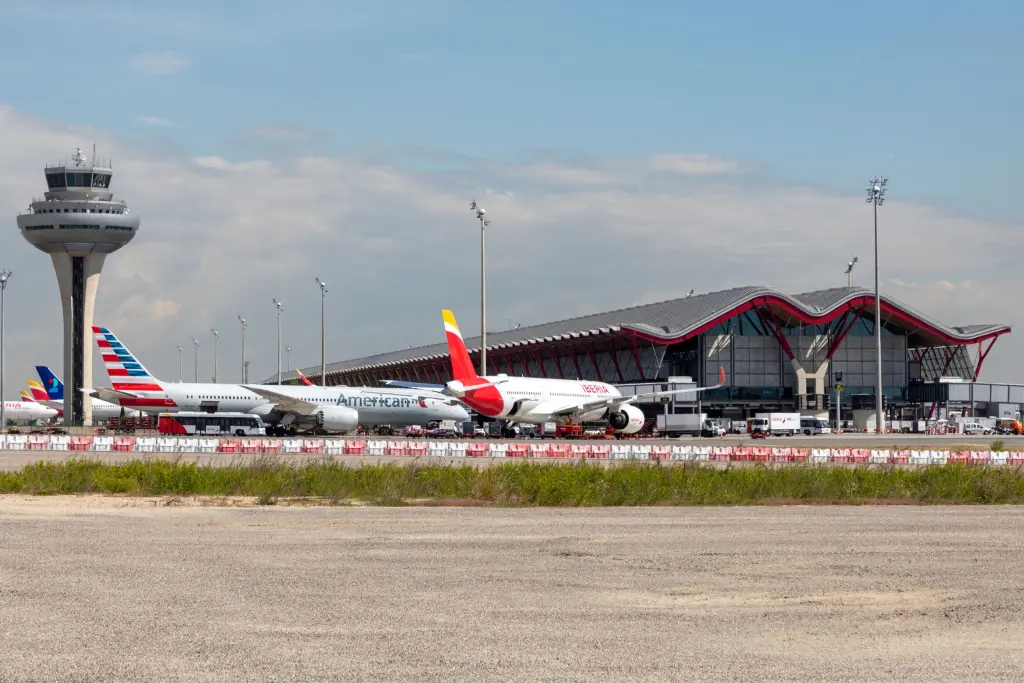
Madrid’s Barajas Airport, one of Europe’s southernmost hubs, has established itself as a significant player in the long-haul connection market, particularly for routes to Latin America. Despite some older, legacy European hubs struggling to maintain momentum in this sector, Madrid’s airport has become the leading hub operator for these routes in regional markets. The article also touches on Madrid’s broader role as a leading European capital city, competing with London and others in terms of economic and cultural influence.
Key Points:
- Madrid’s Barajas Airport is the biggest hub operator for long-haul routes to Latin America in Europe.
- The airport represents a strong hub connecting Europe with Latin America, challenging the dominance of newer, Middle Eastern hubs in this market.
- Madrid continues to be a leading European capital city, vying with London and others in terms of economic and cultural influence.
Actionable Takeaways:
-
Investment in Hub Infrastructure: Madrid’s Barajas Airport’s success in the long-haul connection market suggests a potential opportunity for other European airports to invest in infrastructure upgrades to compete in this sector. This could involve expanding capacity, improving connectivity, or enhancing services to attract more long-haul flights and passengers.
-
Regional Market Expansion: The article highlights Madrid’s role as a key player in connecting Europe with Latin America. This presents an opportunity for travel companies and airlines to explore new routes and partnerships in this region, potentially tapping into growing demand for flights between these markets.
Contextual Insights:
The article reflects the ongoing evolution of European airports and their roles in global travel networks. As legacy hubs face challenges, newer hubs in the Middle East have gained prominence. However, Madrid’s Barajas Airport has managed to carve out a significant niche, particularly in connecting Europe with Latin America. This trend underscores the importance of regional specialization in airport operations and the potential for European airports to leverage their geographical advantages to compete in niche markets. Furthermore, the article’s mention of Madrid’s broader role as a leading European capital city suggests that the city’s influence extends beyond its airport, impacting the broader travel and tourism sector in the region. This contextual understanding is crucial for stakeholders in the travel industry to anticipate shifts in market dynamics and adapt their strategies accordingly.
Read the Complete Article.


