












Article Summary:
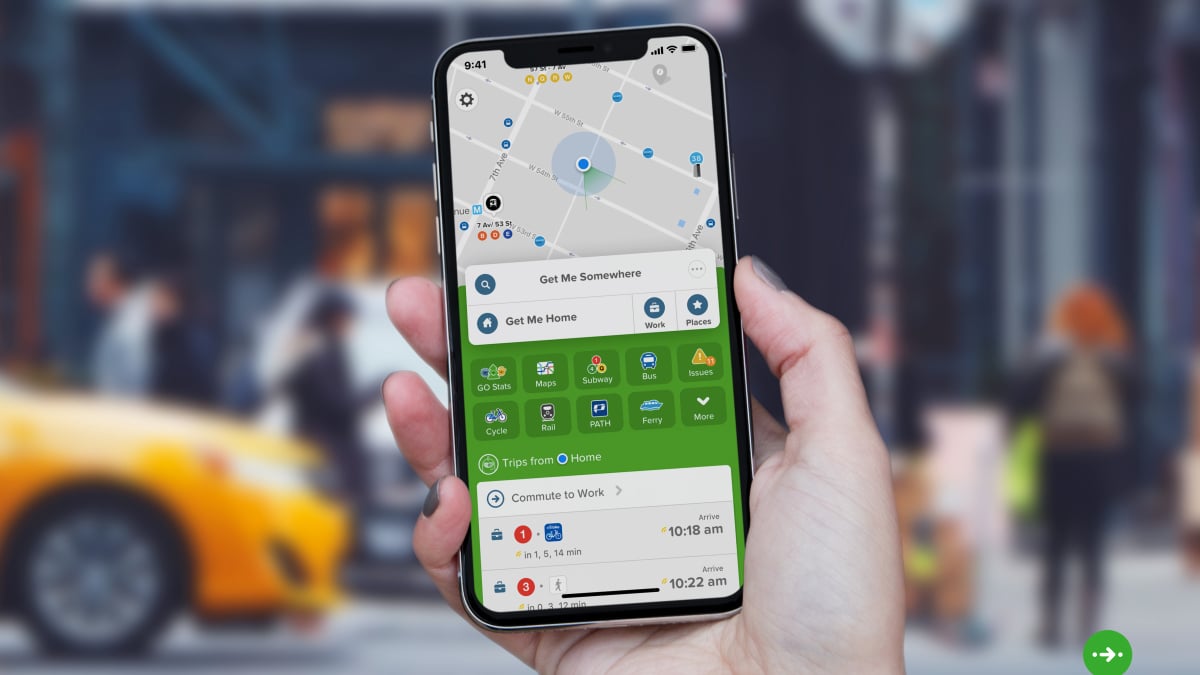
Citymapper, a popular mobile navigation app, has expanded its navigation support to 17 additional U.S. cities, including Pittsburgh, Dallas, and Miami. This update makes Citymapper a more viable alternative to Google Maps for users in these regions. The full list of supported cities is available on Citymapper’s website. This expansion is significant as it broadens Citymapper’s reach in the U.S. market, potentially attracting more users who prefer its features over Google Maps.
Key Points:
- Citymapper has added navigation support for 17 more U.S. cities, enhancing its service offerings.
- The cities added include Pittsburgh, Dallas, Miami, and the Twin Cities, among others.
- The full list of supported cities is accessible on Citymapper’s website.
- This expansion positions Citymapper as a strong competitor to Google Maps in the U.S. market.
Actionable Takeaways:
- Increased Market Penetration: Citymapper’s expansion to 17 more U.S. cities indicates a strategic move to capture a larger share of the mobile navigation market in the United States. This could lead to increased user adoption and potentially drive Google Maps to enhance its services to retain market share.
- Opportunity for Travel Startups: The growing competition in the mobile navigation sector, highlighted by Citymapper’s expansion, presents an opportunity for travel startups to innovate and differentiate their offerings. Startups could focus on unique features, partnerships, or localized services to attract users in these newly supported cities.
- Importance of Continuous Service Expansion: For established players like Google Maps, the article underscores the importance of continuous service expansion and innovation to maintain their competitive edge. This could lead to increased investment in technology, user experience, and partnerships to stay relevant in the evolving travel tech landscape.
Contextual Insights:
The expansion of Citymapper’s services to more U.S. cities reflects the broader trend of increased competition in the mobile navigation sector. As users seek more tailored and efficient navigation solutions, companies are investing in expanding their service offerings to meet these demands. This trend is particularly relevant in the context of the ongoing digital transformation in the travel industry, where user experience and service accessibility are key differentiators. Furthermore, the article highlights the importance of real-time data and integration with public transit systems, which are critical for providing accurate and efficient navigation services. As travel startups and established players alike continue to innovate, the focus on enhancing user experience and service coverage will likely remain a central theme in the industry.
Read the Complete Article.



