












Comprehensive Summarization:
The article discusses the evolving landscape of travel technology, specifically focusing on the rise of AI and autonomous vehicles, particularly robotaxis. James Dow, the UK and Ireland general manager at Blacklane, a global chauffeur service, shares his insights on how high-touch service can coexist with the increasing presence of robotaxis and AI technology in Europe by 2026. The article highlights the challenge of preserving the human touch in service quality as robotaxis aim to become a common feature of daily life. Blacklane, founded over 14 years ago, emphasizes that the journey matters as much as the destination, advocating for a balance between technological advancement and personalized service. The piece also touches on managing expectations regarding service quality in a world increasingly dominated by autonomous vehicles.
Key Points:
- AI and autonomous vehicles, including robotaxis, are becoming a significant focus in the global travel tech industry, with a push towards widespread adoption by 2026.
- The challenge lies in maintaining a high standard of service quality as robotaxis navigate the complex streets of Europe.
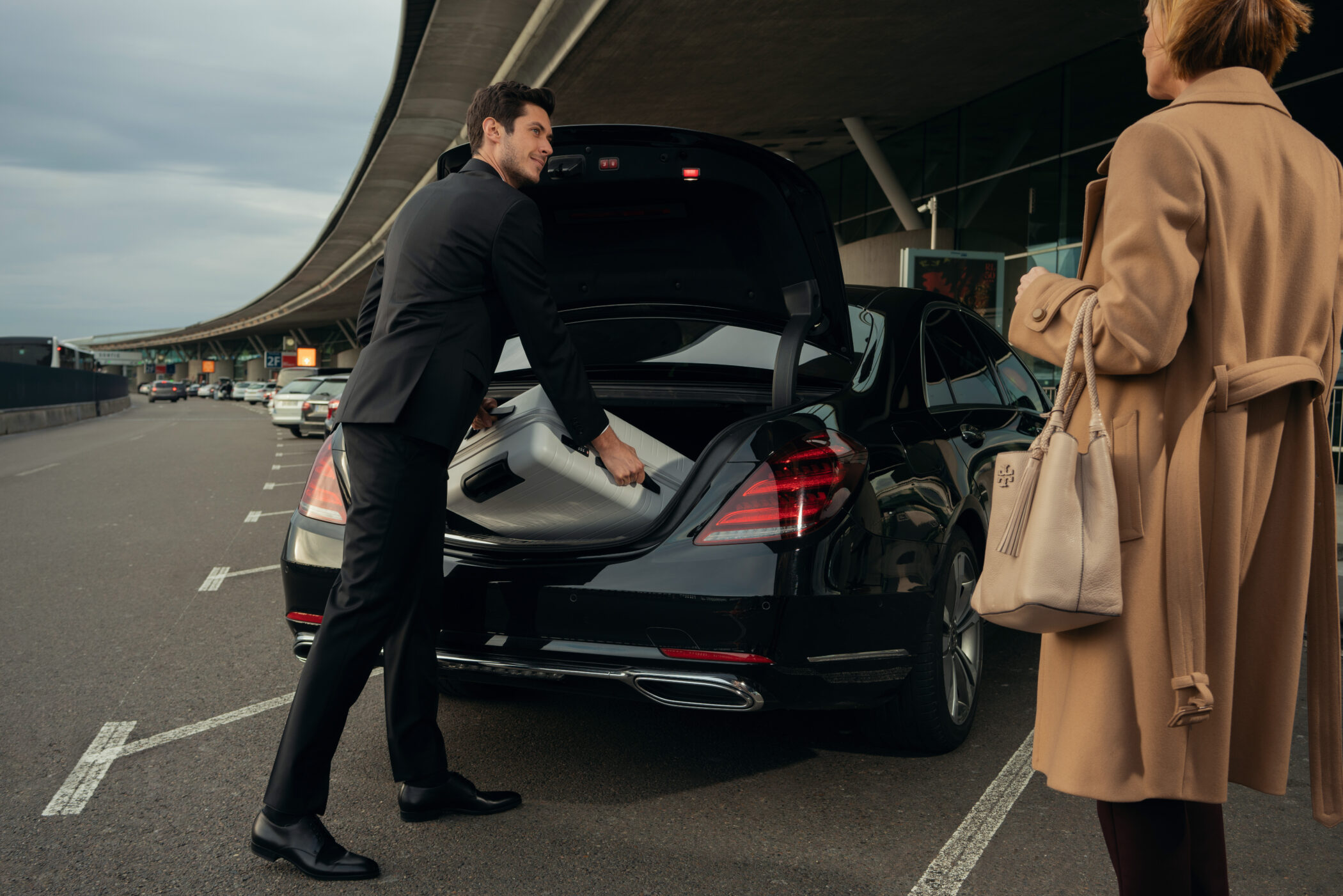
- Blacklane, a pioneer in chauffeur services, believes that the journey is as important as the destination, advocating for a high-touch service model even in the era of robotaxis.
- The article questions how to preserve the human element in service delivery amidst the rise of AI-driven transportation solutions.
Actionable Takeaways:
-
Preserve Human Touch in Service Delivery: As robotaxis and AI technology advance, it is crucial for travel companies to focus on maintaining a high standard of personalized service. This ensures customer satisfaction and loyalty, especially in markets where the journey experience is valued as much as the destination. This is particularly relevant for startups and established companies in the travel tech sector aiming to differentiate themselves in a competitive landscape.
-
Invest in Hybrid Service Models: Companies should explore hybrid service models that combine the efficiency of AI and autonomous vehicles with the personal touch of human chauffeurs. This approach can cater to diverse customer preferences, offering flexibility and enhancing the overall travel experience. It is a strategic move that aligns with current industry trends, emphasizing the importance of balancing technological innovation with human-centric service.
Contextual Understanding:
The article is situated in the context of rapid technological advancements in the travel industry, particularly the rise of AI and autonomous vehicles. Recent developments, such as Elon Musk’s Cybercab, underscore the industry’s shift towards robotaxis. The challenge highlighted is not just technological feasibility but also maintaining the quality of service in a world where human interaction is increasingly being automated. This context is crucial for understanding the strategic considerations faced by travel companies, especially those in Europe, where the infrastructure and regulatory environment may pose unique challenges. The article also reflects broader industry trends, such as the increasing focus on customer experience and the need for companies to innovate while preserving the human element in service delivery.
Handling Different Article Types:
The article is an opinion piece, presenting James Dow’s viewpoint on the future of travel technology. Opinion pieces often provide a nuanced analysis of current trends and future implications, making them valuable for professionals seeking insights into industry shifts. The structured approach of the article—combining factual information with expert opinion—allows for a comprehensive understanding of the topic. For a professional audience, this type of content is particularly useful as it blends factual data with strategic insights, enabling readers to make informed decisions about their business strategies in the evolving travel tech landscape.
Read the Complete Article.



