












Comprehensive Summarization:
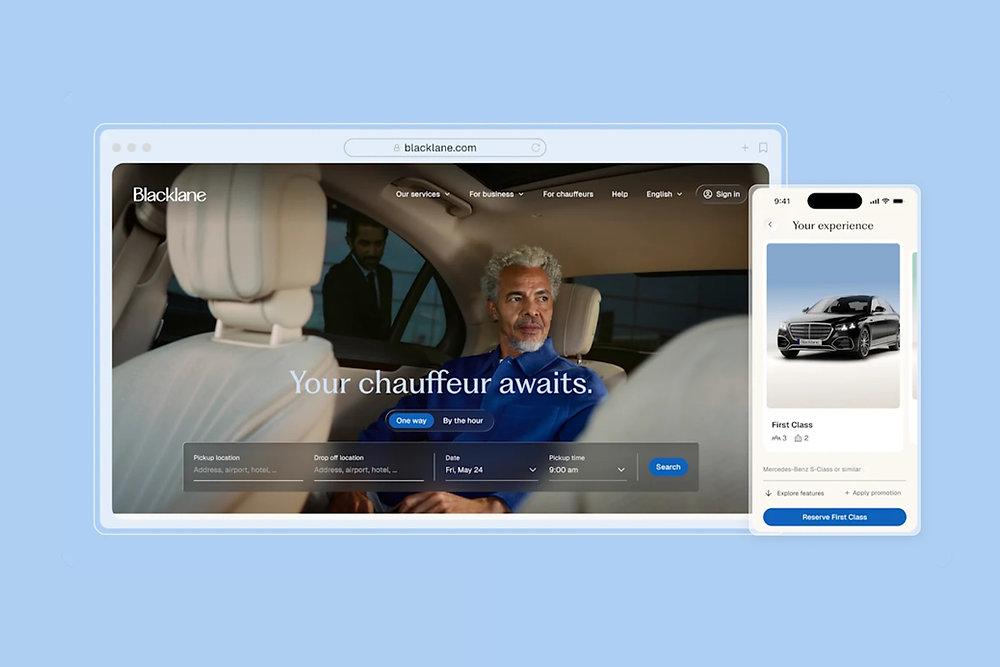
Blacklane, a Berlin-founded chauffeur service, has unveiled a redesigned global brand identity as it prepares for further international expansion and a potential acquisition by Uber. The updated branding includes a complete overhaul of its website and mobile app, aimed at enhancing the end-to-end booking experience for both individual travelers and corporate clients. The redesign focuses on a more streamlined and intuitive journey, from initial search through to post-trip feedback. The refreshed identity is built around the concept of “flow,” which Blacklane describes as reducing friction across the customer journey while maintaining high levels of personal service. This approach is intended to help business travelers arrive better prepared and rested, aligning with the expectations of executive and premium transport users.
Key Points:
- Blacklane has introduced a redesigned global brand identity to position itself for international expansion and a potential acquisition by Uber.
- The redesign includes a complete overhaul of the company’s website and mobile app, focusing on improving the booking experience for both individual travelers and corporate clients.
- The new branding emphasizes a streamlined and intuitive journey, from search to post-trip feedback, with a focus on reducing friction in the customer experience.
- Blacklane describes the refreshed identity as centered around the concept of “flow,” aiming to enhance personal service and reduce travel friction for business travelers.
- The company aims to align the new identity with the expectations of executive and premium transport users, ensuring a better-prepared and rested arrival for business travelers.
Actionable Takeaways:
-
Enhanced User Experience: The redesign of Blacklane’s platforms is aimed at improving the end-to-end booking experience. For travel tech companies, this highlights the importance of focusing on user-centric design to enhance customer satisfaction and retention. Implementing intuitive interfaces and seamless booking processes can lead to increased user engagement and loyalty.
-
Strategic Branding for Expansion: The introduction of a new visual identity centered around the concept of “flow” suggests a strategic move to reduce friction in the customer journey. For startups in the travel sector, this underscores the value of aligning brand identity with customer expectations, particularly for business travelers who prioritize efficiency and personal service. A strong, cohesive brand can differentiate a company in a competitive market and attract premium clientele.
-
Preparation for Acquisition: Blacklane’s focus on enhancing its digital platforms as it prepares for a potential acquisition by Uber indicates a forward-thinking approach to scaling operations. For companies in the travel and logistics sector, this serves as a reminder of the importance of maintaining technological agility and strategic planning when considering future acquisitions or partnerships. Investing in robust digital infrastructure can position a company favorably for potential mergers and acquisitions.
Contextual Insights:
The article reflects current industry trends in travel tech, particularly the emphasis on enhancing user experience through digital innovation. As the travel industry continues to evolve, companies are increasingly leveraging technology to streamline operations and improve customer satisfaction. Blacklane’s focus on a seamless booking experience and its strategic positioning for expansion align with broader industry movements towards digital transformation. The concept of “flow” as a guiding principle for reducing friction in the customer journey is particularly relevant, as it addresses a key pain point for business travelers who value efficiency and reliability. This approach not only enhances the immediate customer experience but also positions Blacklane favorably for future growth opportunities, such as potential acquisitions by industry giants like Uber. The integration of advanced digital solutions and a strong brand identity is crucial for travel startups and established companies alike to stay competitive in a rapidly changing market landscape.
Read the Complete Article.



