












Article Summary:
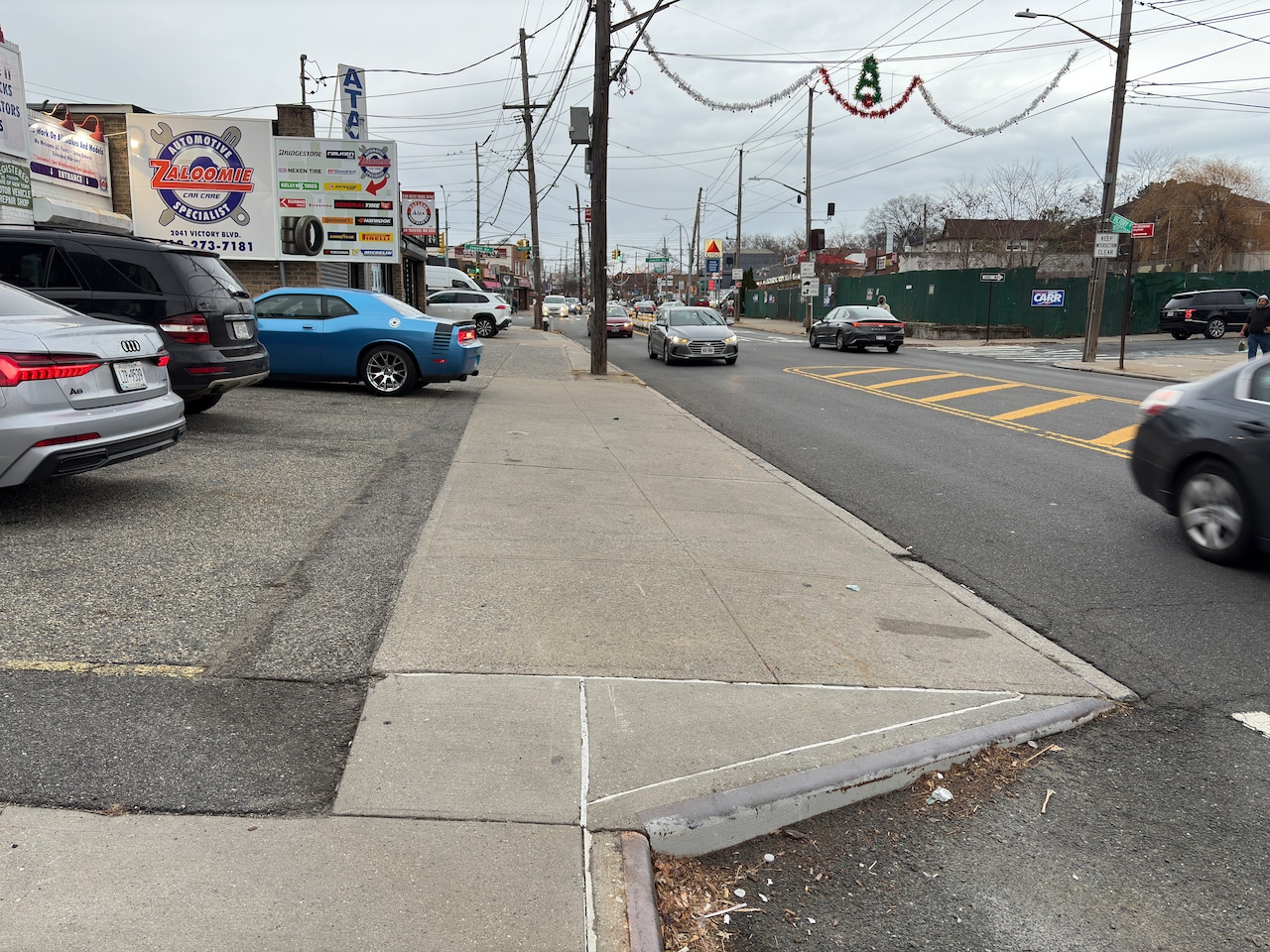
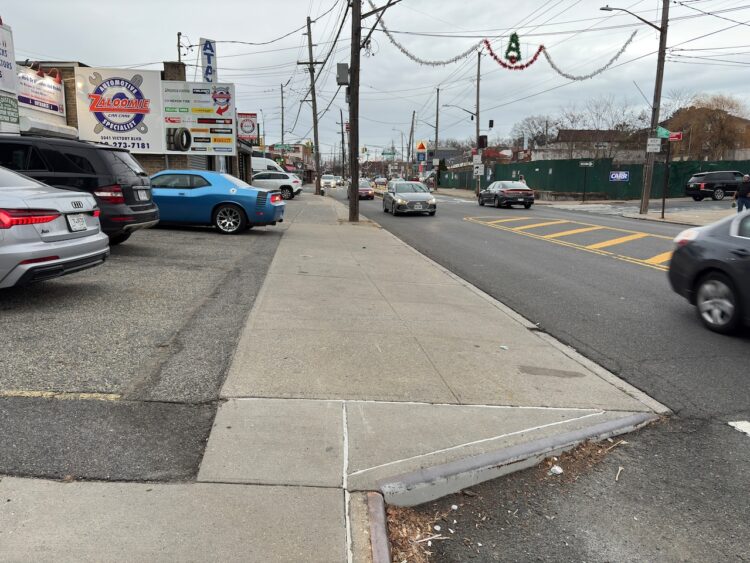
The article discusses a proposed development on Staten Island’s North Shore that involves widening Victory Boulevard to accommodate a new McDonald’s with a drive-thru. As part of the application, the developer plans to remove between three to six feet of sidewalk from the westbound side of Victory Boulevard. The widening would be funded entirely by the property owner. This development is part of a broader trend of urban expansion and infrastructure modifications to support new commercial ventures.
Key Points:
- A new McDonald’s with a drive-thru is planned near the intersection of Victory Boulevard and Jewett Avenue in Meiers Corners.
- The developer proposes widening Victory Boulevard by removing between three and six feet of sidewalk from the westbound side.
- The widening and associated development are funded entirely by the property owner.
- The project is part of an application presented to Staten Island’s Community Board 1 in November.
Actionable Takeaways:
- Infrastructure Adjustments for Commercial Growth: The removal of sidewalk space to widen Victory Boulevard highlights a common trend in urban development where infrastructure is adjusted to accommodate commercial growth. This could serve as a model for other cities looking to balance commercial expansion with pedestrian accessibility. Relevance: As urban areas continue to grow, understanding how to integrate commercial developments with existing infrastructure is crucial for sustainable development.
- Impact on Local Accessibility: The removal of sidewalk space may affect local accessibility and pedestrian flow. This underscores the importance of considering pedestrian needs in urban planning decisions. Relevance: In the context of travel and tourism, ensuring that new developments do not disproportionately impact pedestrian accessibility is vital for maintaining the livability and attractiveness of urban areas.
- Funding Models for Urban Development: The proposal to fund the widening entirely by the property owner suggests a potential shift in how urban development projects are financed. This could encourage private investment in infrastructure improvements, provided that the costs are justified by the benefits to the community. Relevance: In the travel industry, understanding funding models for urban development can inform strategies for supporting infrastructure projects that enhance travel experiences.
Contextual Insights:
The development on Victory Boulevard reflects broader trends in urban planning where commercial growth often necessitates adjustments to existing infrastructure. This aligns with current industry insights that emphasize the need for sustainable and inclusive urban development. As travel and tourism continue to evolve, the ability of cities to adapt their infrastructure to support new commercial ventures while maintaining high standards of accessibility and livability will be critical. Thought leaders in urban planning and real estate development are increasingly focusing on creating environments that balance economic growth with community needs, ensuring that new developments enhance rather than detract from the urban experience. This development on Staten Island serves as a case study in how such considerations can be practically applied.
Read the Complete Article.



