












Article Summary:
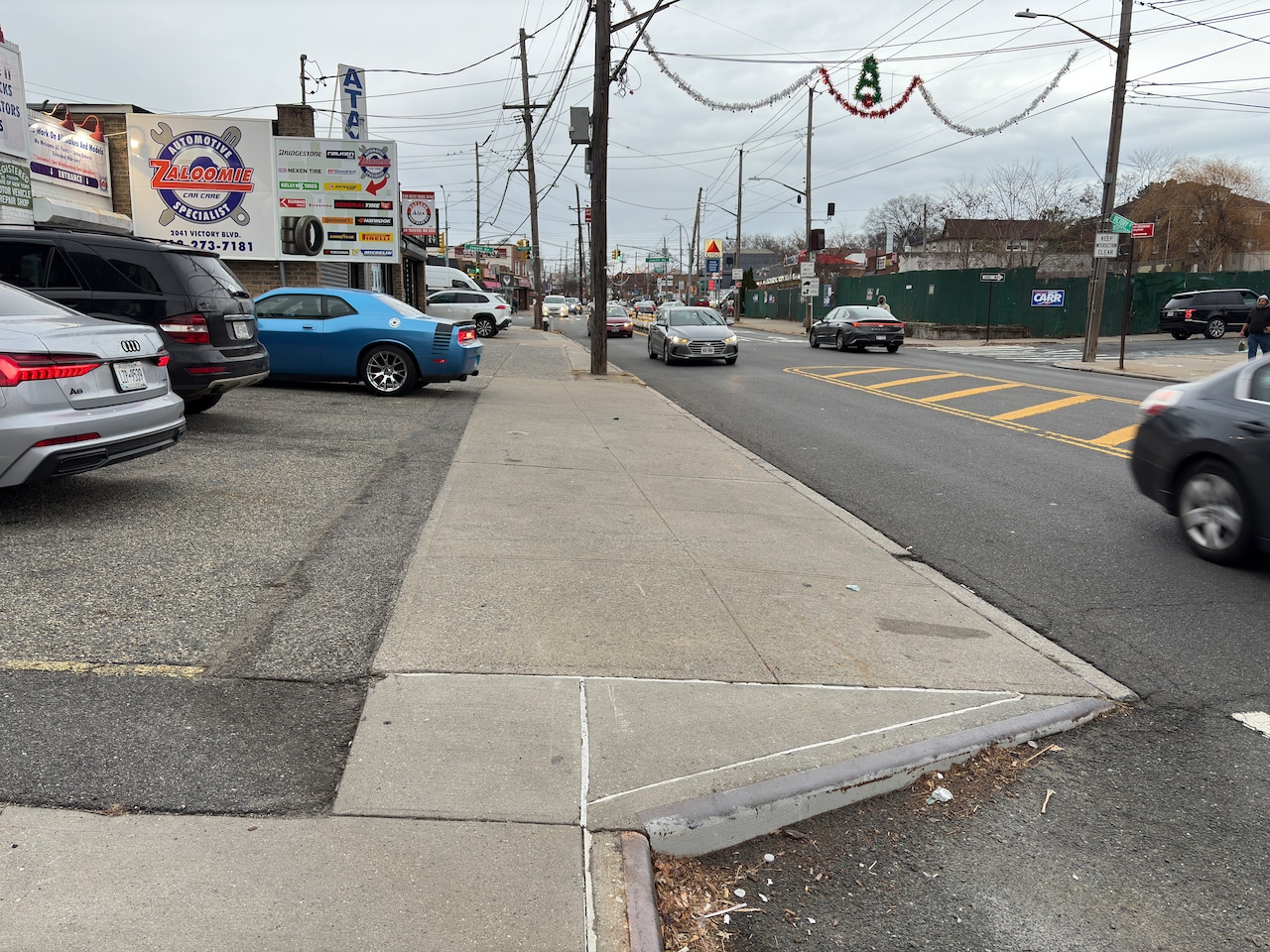
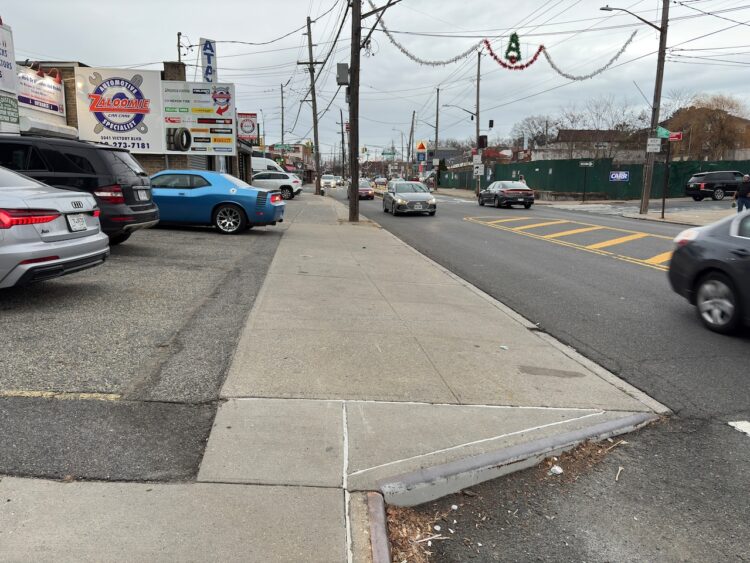
The article discusses a proposed development on Staten Island’s North Shore that involves widening Victory Boulevard to accommodate a new McDonald’s with a drive-thru. As part of the application, the developer plans to remove between three to six feet of sidewalk from the westbound side of Victory Boulevard. The widening would be funded entirely by the property owner, potentially impacting nearby sidewalk space.
Key Points:
- A new development on Staten Island’s North Shore aims to widen Victory Boulevard to accommodate a McDonald’s with a drive-thru.
- The widening proposal includes removing between three to six feet of sidewalk from the westbound side of Victory Boulevard.
- The developer plans to fund the widening entirely, with no mention of public funding or impact on nearby sidewalk space.
- The project is part of an application presented to Staten Island’s Community Board 1 in November.
Actionable Takeaways:
- Potential Impact on Local Community: The removal of sidewalk space could affect pedestrian access and accessibility for residents and businesses near Victory Boulevard. This may require community engagement and potential mitigation strategies to address any negative impacts on the local community.
- Economic Implications for Local Businesses: The addition of a McDonald’s with a drive-thru could stimulate local economic activity by increasing foot traffic and providing convenient dining options for residents and visitors. However, the removal of sidewalk space might also pose challenges for local businesses that rely on sidewalk access for customers.
- Urban Planning Considerations: The project highlights the ongoing tension between urban development and the preservation of public spaces. It underscores the need for careful planning and community consultation when implementing infrastructure changes in densely populated areas like Staten Island.
Contextual Insights:
The development on Victory Boulevard reflects broader trends in urban development where commercial expansion often necessitates adjustments to existing infrastructure. This case underscores the importance of balancing economic growth with the preservation of public amenities. In the context of travel and tourism, such developments can enhance accessibility and convenience for tourists, potentially boosting local economies. However, the removal of sidewalk space also highlights the need for thoughtful urban planning to ensure that such changes do not disproportionately burden residents or businesses. As travel trends continue to favor convenience and accessibility, developers must navigate these challenges to create sustainable and community-friendly developments.
Read the Complete Article.



