












Comprehensive Summarization:
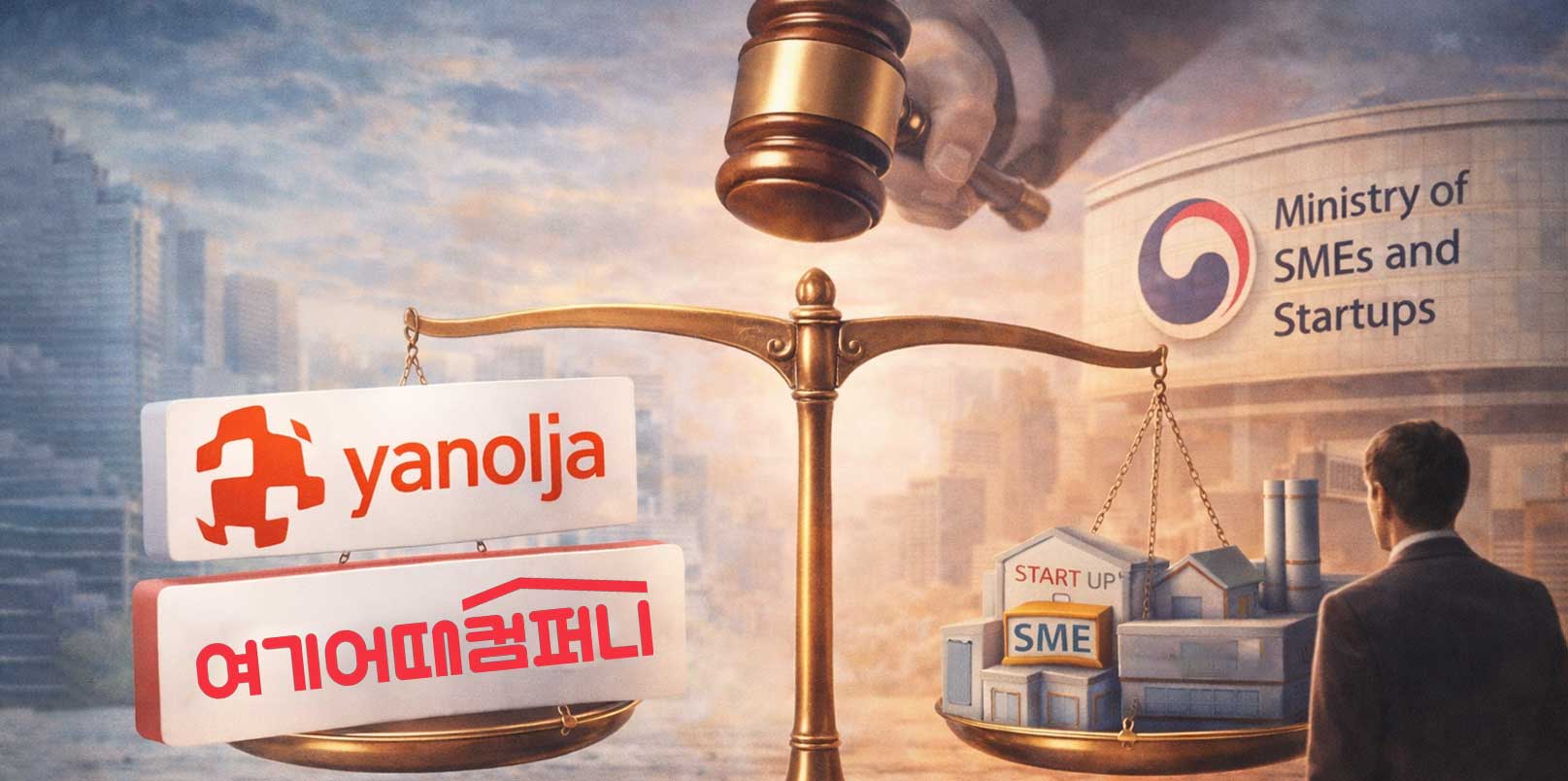
The article discusses South Korea’s efforts to strengthen fair trade oversight, specifically targeting two of its largest accommodation platforms, Yanolja and Yeogi Eottae. The Ministry of SMEs and Startups (MSS) requested the Fair Trade Commission (FTC) to refer these platforms to prosecutors for violating the Fair Trade Act. Additionally, the MSS sought prosecution against INFAC and its affiliate INFAC EPM for violations of the Subcontracting Act. This decision followed deliberation by the 32nd Mandatory Prosecution Request Committee, highlighting a delicate phase for Seoul’s innovation governance. The case underscores the challenge of ensuring platform accountability without undermining investor confidence in Asia’s ambitious startup ecosystem.
Key Points:
- The MSS requested the FTC to refer Yanolja and Yeogi Eottae to prosecutors for violating the Fair Trade Act.
- The MSS also sought prosecution against INFAC and INFAC EPM for violating the Subcontracting Act.
- The decision was made after deliberation by the 32nd Mandatory Prosecution Request Committee.
- The case highlights the balance between ensuring platform accountability and maintaining investor confidence in South Korea’s startup ecosystem.
Actionable Takeaways:
-
Enhanced Regulatory Oversight in the Travel Sector: The actions taken by the MSS and FTC underscore the importance of robust regulatory frameworks in the travel industry. For startups and established platforms, this means a heightened need for compliance with fair trade and subcontracting laws. Implementing comprehensive compliance programs can mitigate legal risks and enhance trust among investors and consumers.
-
Investor Confidence and Market Stability: The scrutiny of major platforms like Yanolja and Yeogi Eottae signals a shift towards stricter oversight in the startup ecosystem. Investors should consider the potential volatility in market valuations and operational stability of platforms under increased regulatory scrutiny. Diversifying investments and conducting thorough due diligence can help manage risks associated with regulatory changes.
-
Innovation and Compliance: The delicate phase for Seoul’s innovation governance suggests that while regulatory oversight is increasing, it does not necessarily stifle innovation. Startups can leverage this environment to innovate within the confines of compliance, potentially gaining a competitive edge by offering more transparent and fair trade solutions. Emphasizing ethical practices and regulatory compliance can position startups favorably in the eyes of investors and regulators alike.
Contextual Insights:
The article reflects a broader trend in Asia’s startup ecosystem, where regulatory bodies are increasingly focusing on ensuring fair trade practices among platforms. This trend is driven by the need to protect consumer interests and maintain market integrity, especially in a highly competitive environment like South Korea’s. The balance between innovation and regulation is crucial, as overly stringent regulations could stifle growth, while lax oversight could lead to unfair practices and consumer dissatisfaction. Thought leaders in the travel tech sector emphasize the importance of adopting a proactive approach to compliance, integrating regulatory requirements into product development and business models from the outset. This not only helps in avoiding legal pitfalls but also enhances brand reputation and customer trust, which are vital in the travel industry where trust and transparency are paramount. As the travel sector continues to evolve with technological advancements, maintaining a dynamic and adaptive regulatory framework will be key to fostering sustainable growth and innovation.
Read the Complete Article.



