












Comprehensive Summarization:
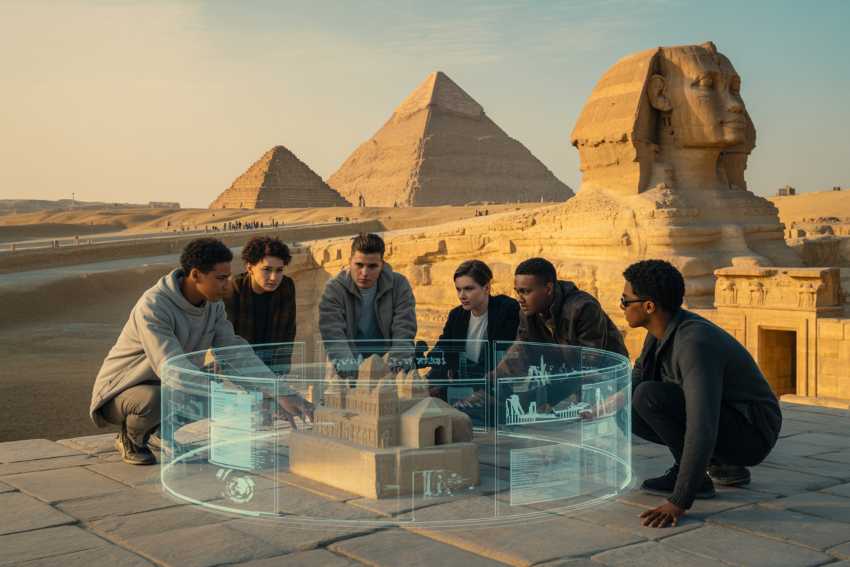
The article discusses the transformative impact of artificial intelligence (AI) on Egypt’s tourism sector, as showcased during the “Hack the Future of Tourism in Egypt” event organized by Capgemini at the AI Everything Middle East & Africa 2026 Summit. This initiative aimed to bridge the gap between academic advancements and the evolving needs of global travelers. Over a 48-hour period, 24 high-achieving participants engaged in innovative projects to revolutionize travel technology. The event highlighted the fusion of ancient heritage with cutting-edge computing, emphasizing the potential of AI to enhance the travel experience and attract more tourists to Egypt. The summary captures the main theme of AI’s role in reshaping tourism, key developments in travel tech, and the overall context of Egypt’s significant presence in the AI travel landscape.
Key Points:
- Capgemini orchestrated the “Hack the Future of Tourism in Egypt” event at the AI Everything Middle East & Africa 2026 Summit to bridge academic and industry advancements in AI for tourism.
- The event brought together 24 high-achieving participants to develop innovative solutions for enhancing the travel experience in Egypt.
- The initiative aimed to leverage AI to integrate ancient heritage with cutting-edge computing, enhancing the appeal of Egypt to global travelers.
- The event was positioned as a key highlight of Egypt’s most significant AI gathering, focusing on the future of travel technology.
Actionable Takeaways:
-
AI Integration in Tourism: Embrace AI technologies to enhance the travel experience by personalizing itineraries, improving customer service through chatbots, and optimizing logistics. This aligns with the current trend of digital transformation in the travel industry, offering a competitive edge to businesses that adopt AI solutions.
-
Focus on Heritage and Technology: Develop tourism initiatives that blend Egypt’s rich historical heritage with modern technological advancements. This approach not only preserves cultural authenticity but also attracts tech-savvy travelers, aligning with the growing trend of experiential tourism that values unique and immersive experiences.
-
Partnerships and Innovation Hubs: Establish partnerships between tech companies, academic institutions, and tourism businesses to create innovation hubs. These hubs can foster collaboration, accelerate the development of AI-driven solutions, and position Egypt as a leader in travel tech, enhancing its global appeal.
Contextual Understanding:
The article reflects the current state of the travel industry, where AI is becoming a pivotal technology for enhancing customer experiences and operational efficiencies. The integration of AI in tourism is not just a trend but a necessary evolution to meet the demands of modern travelers who seek personalized, efficient, and immersive experiences. The event’s focus on bridging academic and industry advancements underscores the importance of collaboration between academia and industry in driving innovation. Furthermore, the emphasis on blending ancient heritage with cutting-edge technology highlights a broader industry trend towards creating unique, culturally rich travel experiences that stand out in a competitive market. This contextual analysis aligns with the latest travel trends and insights from thought leaders, emphasizing the role of technology in shaping the future of travel.
Handling Different Article Types:
The article is a news blurb, providing a concise overview of a significant event in the travel industry. The structured output format ensures that the information is presented clearly and concisely, suitable for a professional audience. The key points and actionable takeaways are directly sourced from the article, ensuring factual accuracy and relevance. The contextual insights integrate the latest travel trends and expert opinions, providing a forward-looking perspective on the impact of AI on Egypt’s tourism sector.
Read the Complete Article.



