








Sail Through Time: Discover the Timeless Wonders of Upper Egypt Aboard Kenzy Dahabeya
Experience the magic of the Nile aboard Kenzy Dahabeya, a luxury boutique sailing cruise that offers an unforgettable journey between...
Read moreDetails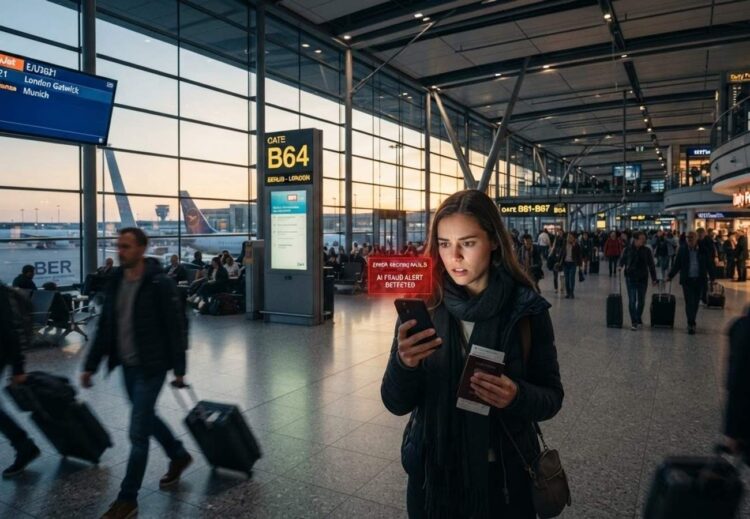
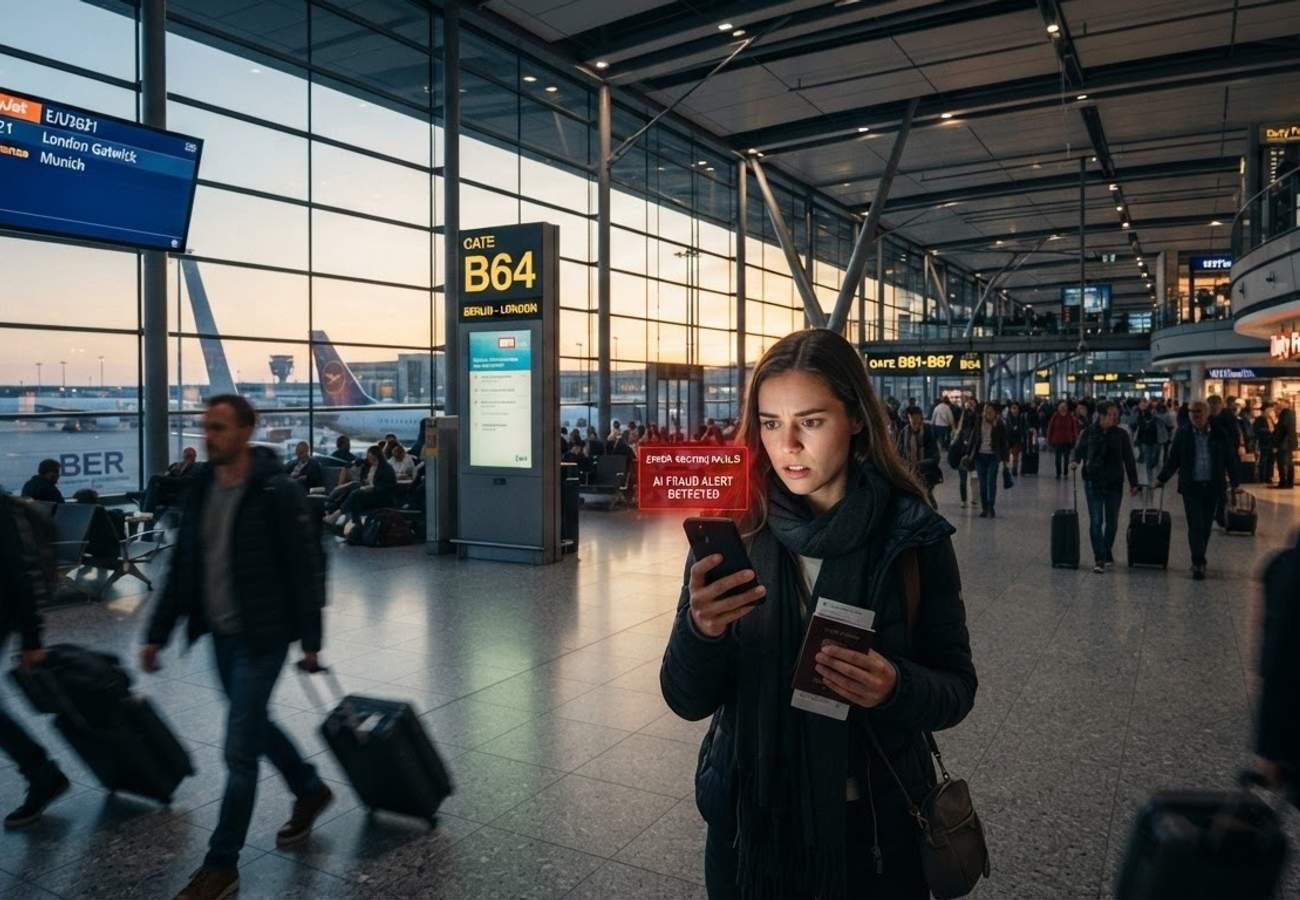
THE NEWS: Germany is facing a critical surge in AI-driven travel fraud, with cybercriminals using artificial intelligence to manipulate booking systems and drain loyalty accounts at an industrial scale, according to Europol’s 2026 Internet Organized Crime Threat Assessment.
DETAILS:
Fraudsters are employing AI as a force multiplier, allowing them to generate thousands of personalized phishing attempts and realistic fake bookings.
The travel sector in Germany, centred around the high‑volume hub of Berlin, has become the primary target for sophisticated cybercrime in 2026.
Europol’s assessment notes that fraud has shifted from isolated incidents to a technology‑driven industrial model.
WHY IT MATTERS: The industrial‑scale abuse of AI threatens revenue and consumer trust across airlines, hotels, OTAs and loyalty programmes, prompting the travel industry to invest in stronger cybersecurity and fraud‑prevention measures.
FAQ
What type of fraud is increasing in Germany’s travel sector?
Germany is seeing a sharp rise in AI‑driven travel fraud, where criminals exploit artificial intelligence to create fake bookings, launch mass phishing attacks and siphon funds from loyalty accounts, according to a 2026 Europol report.
Which organization reported the shift to an industrial‑scale fraud model?
Europol’s 2026 Internet Organized Crime Threat Assessment highlighted that travel‑related fraud in Germany has moved from isolated incidents to a technology‑driven industrial model using AI.
Which city is identified as the main hub targeted by these scams?
Berlin, described as Germany’s high‑volume travel hub, is singled out as the primary target for sophisticated AI‑powered cybercrime in the travel sector in 2026.
Read Original Article.
Experience the magic of the Nile aboard Kenzy Dahabeya, a luxury boutique sailing cruise that offers an unforgettable journey between...
Read moreDetails



