












Article Summary:
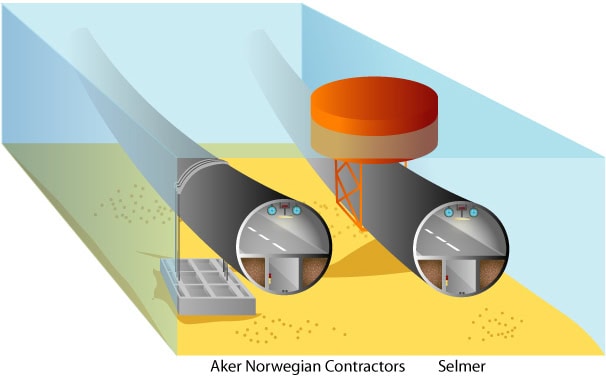
The article discusses a speculative proposal for a 3,400-mile tunnel beneath the Atlantic Ocean, aimed at connecting New York and London with a travel time under an hour. This concept, highlighted by Ecoportal, envisions using vacuum-tube travel and magnetic levitation to achieve speeds beyond conventional rail or aircraft. The project is estimated to cost $20 trillion, and while no government, engineering consortium, or private investor has committed to it, the renewed attention underscores the potential of existing technologies in early or adjacent forms. The debate has shifted from feasibility to the underlying technologies that could make such a project viable.
Key Points:
- A speculative proposal for a 3,400-mile Atlantic Ocean tunnel between New York and London is being discussed in global infrastructure circles.
- The project would utilize vacuum-tube travel and magnetic levitation to achieve unprecedented speeds, significantly faster than current rail or aircraft.
- The estimated cost of the project is $20 trillion, and there is no formal commitment from any entity, including governments or private investors.
- The renewed interest in the project highlights the potential of existing technologies, even if no formal design or commitment exists yet.
Actionable Takeaways:
- Investment in Advanced Transportation Technologies: The article suggests that while the Atlantic Ocean tunnel remains a speculative idea, the underlying technologies of vacuum-tube travel and magnetic levitation are already in development. This indicates a potential opportunity for investors and governments to explore funding and support for these emerging technologies, which could have broader applications beyond just this specific project.
- Focus on Feasibility and Funding: Given the staggering cost of $20 trillion and the lack of commitment from any entity, the article underscores the need for a thorough feasibility study and a clear funding strategy. This could involve public-private partnerships, innovative financing models, or international collaborations to make such a project viable.
- Integration of Emerging Technologies: The article points to the potential of integrating existing technologies in novel ways to achieve groundbreaking results. For travel startups and fintech innovators, this could mean exploring partnerships with infrastructure developers or investing in research and development of magnetic levitation and vacuum tube technologies to create new travel solutions.
Contextual Insights:
The proposal for a tunnel beneath the Atlantic Ocean reflects a broader trend in the travel industry towards exploring high-speed, long-distance transportation solutions. As the world seeks more efficient and sustainable modes of travel, innovations like vacuum-tube travel and magnetic levitation are gaining attention. This aligns with current industry trends that emphasize technological advancement, sustainability, and the reduction of travel time. Thought leaders in the travel sector are likely to view such proposals with interest, as they could potentially revolutionize global connectivity and open new markets for travel services. The article also highlights the importance of addressing the significant financial and technical challenges associated with such ambitious projects, suggesting that future developments in travel technology will require careful planning, substantial investment, and strategic partnerships.
Read the Complete Article.



