












Comprehensive Summarization:
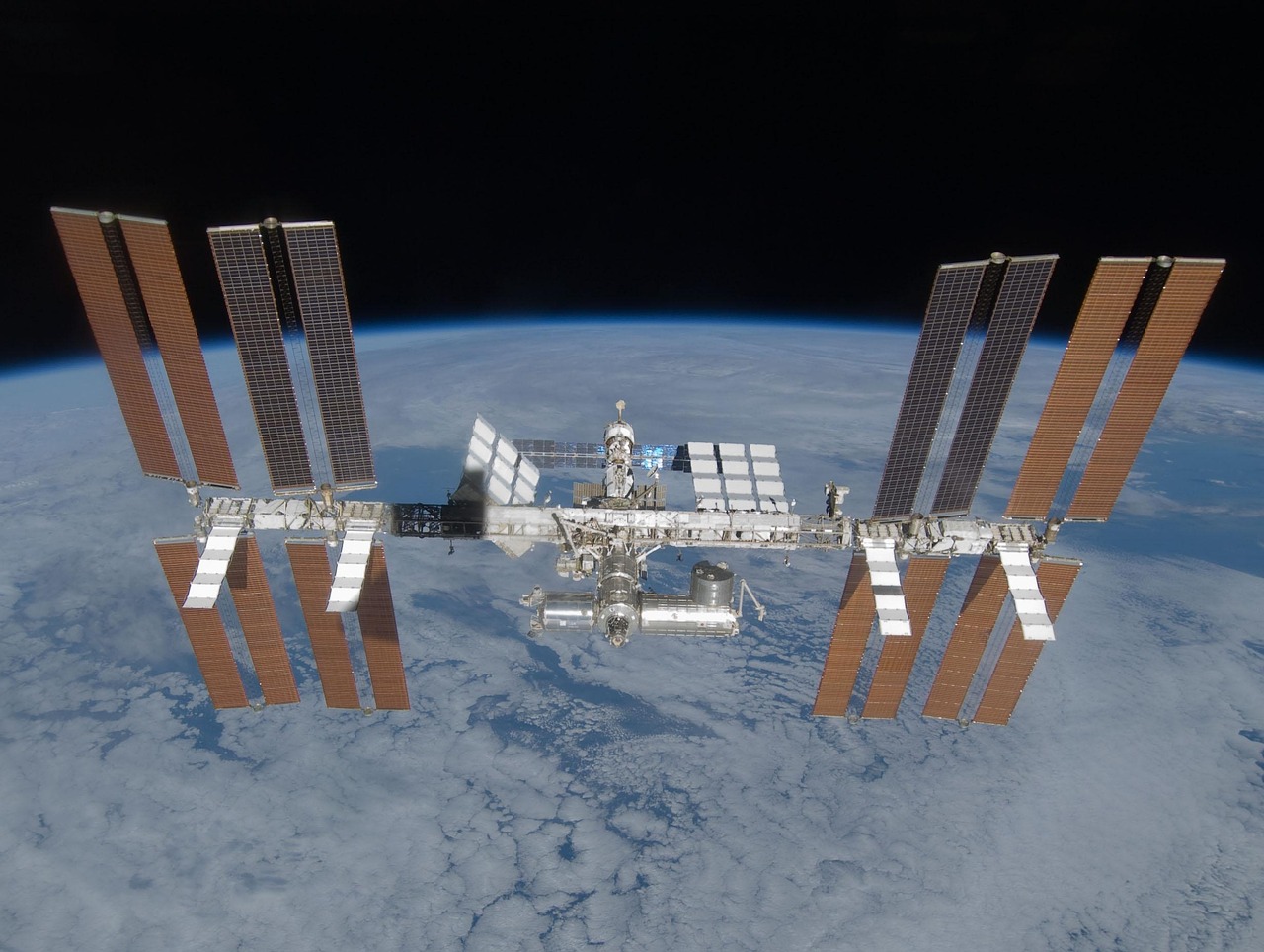
NASA has made history by bringing a crew back from the International Space Station (ISS) early due to a medical emergency, marking the first time in 25 years such an evacuation has occurred. The exact nature of the emergency remains undisclosed but is believed to be serious. This event underscores the vulnerability of the human body in space and raises questions about the medical capabilities available in space versus on Earth. The decision by NASA chief Jared Isaacman signifies a significant shift in how medical emergencies are handled in space missions. The article also touches upon the broader context of travel and space exploration, highlighting the need for advanced medical technologies to ensure astronaut health during missions.
Key Points:
- NASA evacuated a crew from the ISS for the first time in 25 years due to a medical emergency.
- The exact nature of the emergency is not yet known but is considered serious.
- This event reflects the vulnerability of the human body in space and the limitations of medical care available in space.
- NASA chief Jared Isaacman’s decision marks a significant change from the past, where no entire crew had been evacuated for medical reasons in the 25 years of ISS habitation.
- Doctors on Earth determined that the necessary care for the crew was not available in space, necessitating the evacuation.
Actionable Takeaways:
-
Enhanced Medical Technologies for Space Missions: The article highlights the need for advanced medical technologies to ensure astronaut health during space missions. This takeaway is crucial as it points towards a potential growth area in the travel and space exploration industry, where innovations in telemedicine, remote diagnostics, and on-board medical equipment could become essential. The relevance lies in the potential to reduce risks associated with medical emergencies in space, thereby enhancing mission safety and success rates.
-
Focus on Medical Preparedness and Evacuation Protocols: Given the unprecedented nature of this evacuation, there is a clear call for improved medical preparedness and evacuation protocols for future space missions. Space agencies and private companies involved in space exploration should invest in comprehensive medical training for astronauts and develop robust protocols for medical emergencies. This takeaway is actionable for travel and space tech startups, as it emphasizes the importance of developing specialized medical services and technologies tailored for space environments.
Contextual Insights:
The evacuation of the ISS crew due to a medical emergency underscores the current vulnerabilities in space medical care and the limitations of providing comprehensive healthcare in space. This event is a stark reminder of the challenges faced by astronauts and the critical need for advanced medical technologies and protocols. In the context of the travel industry, this situation highlights the importance of medical readiness and evacuation strategies, not just for space missions but also for future long-duration space travel and potential commercial space tourism. Thought leaders in the travel and space sectors should consider how these developments could influence the design of future spacecraft, the training of astronauts, and the development of medical services for space travelers. The integration of real-time medical monitoring systems and the development of telemedicine capabilities could be pivotal in mitigating risks associated with medical emergencies in space, thereby shaping the future of space travel and exploration.
Read the Complete Article.



